
TL;DR

Get beauty and skincare favorites delivered free with Prime
- Fast, free delivery on millions of items
- Prime Video, Amazon Music and more included
- Member-only deals all year
A Glamour UK report describes a shift in street style toward relaxed basics, practical outfits and deliberate clashes, a mood it calls “anti-fashion.” Trend forecaster Flo Palmer links the change to fatigue with clean-girl and quiet-luxury looks, but the report offers cultural observations rather than survey data showing how widespread the shift is.
Street style is leaning toward relaxed basics and deliberately imperfect combinations, according to a 2026 report from Glamour UK, which describes the mood as “anti-fashion.” The label does not mean rejecting clothes or fashion altogether: it refers to dressing for comfort and personal taste rather than assembling a perfectly coordinated, trend-led outfit.
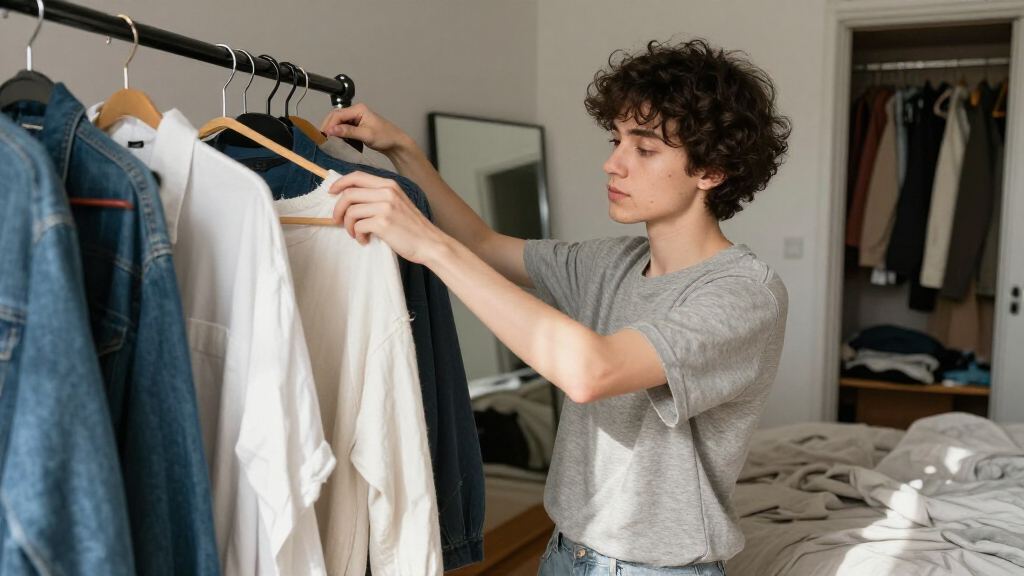
The report points to loose trousers, oversized shirts, sweatpants with chunky boots and casual layers as examples of the look. Actor Jennifer Lawrence’s off-duty outfits are presented as one illustration: familiar wardrobe staples worn with little apparent effort, rather than a head-to-toe runway-inspired combination. The report also highlights styling contrasts, such as pairing a statement coat with joggers or combining pieces associated with different occasions.
Trend forecaster Flo Palmer says the aesthetic has roots in 1990s fashion and the 2010s “indie sleaze” look. Palmer identifies Miu Miu’s spring/summer 2024 runway as a prominent example of intentionally undone styling, extending beyond clothing into beauty and hair. She says subsequent seasons have reinforced a move away from polished “clean girl” looks.
Palmer also attributes the mood to consumer fatigue with quiet luxury and clean-girl aesthetics, which she says have been widely duplicated on the high street. In her assessment, shoppers are looking for more personality and craft. The report’s practical point is that anti-fashion is not a fixed uniform: it can mean loosening up a familiar outfit, layering unexpectedly or wearing prints together, while keeping the result personal.
Why Relaxed Dressing Is Resonating
The change described in the report matters because it signals a shift in what some fashion audiences may find appealing: less polish and more individuality. After a period in which clean, coordinated looks and restrained luxury were highly visible, casual clothes and mismatched layers offer a different way to show taste without following a single, tightly defined trend.
There is also a practical distinction. The examples rely on wardrobe staples and styling choices, not necessarily buying a new, complete look. That makes the idea accessible to people who want to experiment without adopting an elaborate aesthetic. However, the report does not establish that shoppers broadly have changed their purchasing habits; its evidence is a trend analysis and selected street-style examples.
Products Worth Considering

Hyperice Normatec 3 Leg Compression Boots – Standard Size

Therabody JetBoots Prime Wireless Compression Boots – Short (under 29 inseam)

Hyperice Normatec Elite Wireless Compression Recovery Boots, Standard Size
As an affiliate, we earn on qualifying purchases.
From Clean Girl to Intentional Chaos
The report frames anti-fashion as a development that has been building across several years, rather than a sudden movement. It connects the style to Gen Z’s mix of subcultural and nostalgic references, including baggy clothing, and describes that approach as having matured into combinations of polished accessories with worn-in basics.
Runway fashion has helped give the look visibility. Glamour UK singles out Miu Miu’s spring/summer 2024 collection and its deliberately rumpled styling as an influence. Palmer describes the broader movement as a departure from clean-girl perfection toward “intentional chaos.” The report then places the current appetite for looser styling against the popularity of minimalist trends, which Palmer says have become heavily reproduced by high-street retailers.
““The undone look is inspired by the 1990s and indie sleaze 2010s.””
— Flo Palmer, trend forecaster, as quoted by Glamour UK
How Broad Is the Shift?
The report does not provide sales figures, survey data or audience measurements showing how many people are adopting anti-fashion, or whether the style is changing shopping habits. Its examples and trend commentary indicate a visible fashion mood, but do not prove that it has displaced polished or minimalist dressing across the wider public.
It is also unclear how long the look will remain influential. The term covers a wide range of choices, from simple casual basics to deliberate pattern clashes, so it describes an attitude more than a clearly bounded trend. The report does not identify a single next collection or event that will determine whether the shift continues.
What to Watch in Coming Seasons
The next indication will be whether upcoming runway collections and street-style coverage continue to favor relaxed fits, layered outerwear and intentionally contrasting pieces. Retail offerings may also show whether brands respond to Palmer’s reported demand for more personality and craft, though the article gives no sales forecast.
For now, the report presents anti-fashion as a flexible styling approach, not a formal rulebook. Whether the mood lasts beyond current trend coverage remains open; its staying power will be clearer if consumers continue choosing these looks and designers keep incorporating them in later seasons.
Key Questions
What does “anti-fashion” mean in this report?
It describes relaxed, personal dressing that resists highly polished, coordinated or trend-led outfits. It does not mean rejecting fashion entirely.
Why is anti-fashion being discussed now?
Trend forecaster Flo Palmer says some consumers are tired of quiet-luxury and clean-girl looks, which she says have been widely duplicated. The report presents that as an explanation, not as a finding backed by survey data.
What are examples of the style?
The report points to oversized shirts, baggy trousers, joggers with statement coats and unexpected combinations of layers or prints. It treats the approach as adaptable to different wardrobes.
Did the trend begin with Miu Miu’s 2024 runway?
No. Palmer says the undone look draws on 1990s fashion and 2010s indie sleaze, while identifying Miu Miu’s spring/summer 2024 runway as a prominent example. The report does not claim the label or look began there.
Is anti-fashion replacing minimalist dressing?
The report describes a shift in mood but offers no data proving replacement. It remains unclear how widespread the change is or whether it will last across future seasons.
Source: rss