Blockchain technology boosts transparency in fashion supply chains by creating an unchangeable digital record of every step, from raw material sourcing to delivery. You can verify product origins, labor conditions, and environmental standards in real-time, ensuring ethical practices are maintained. This transparent system discourages misconduct and builds trust with consumers. As you explore further, you’ll discover how this innovative approach is shaping a more responsible and honest fashion industry for everyone involved.

Get beauty and skincare favorites delivered free — and shop member deals
- Fast, free delivery on millions of items
- Access to Prime Big Deal Days deals on October 6–7
- Prime Video, Amazon Music and more included
Key Takeaways
- Blockchain creates a tamper-proof, decentralized record of each supply chain transaction, ensuring transparency and data integrity.
- Digital verification guarantees ethical sourcing by tracing raw materials, labor conditions, and processing methods in real-time.
- Consumers and brands benefit from accessible, trustworthy information about product origins and adherence to social and environmental standards.
- Blockchain reduces fraud and manual compliance efforts, fostering responsible practices and increasing accountability across the supply chain.
- Industry-wide adoption of blockchain enhances transparency, supports sustainability, and empowers consumers to verify product claims independently.
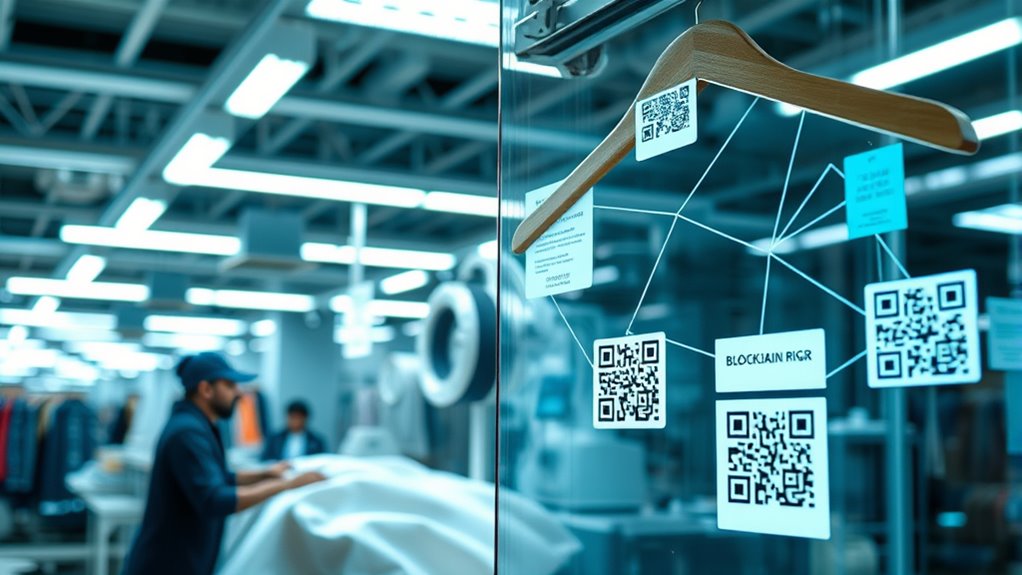
Have you ever wondered how companies guarantee transparency and trust in their supply chains? It’s a complex challenge, especially in industries like fashion where numerous suppliers, factories, and transportation networks are involved. That’s where digital verification comes into play, transforming how brands track and authenticate every step of their supply chain. By leveraging blockchain technology, companies can create an immutable record of each transaction, from raw material sourcing to final delivery. This digital ledger ensures that every stakeholder can verify the authenticity and ethical sourcing of products at any point in the process. When you think about ethical sourcing, it’s about more than just labeling; it’s about guaranteeing that every component of a product adheres to fair labor practices, environmental standards, and social responsibility. Blockchain’s transparency allows you to see exactly where materials originate, how they’re processed, and whether they meet ethical standards. This kind of digital verification builds confidence, as you can trace a product back to its source with certainty, reducing the risk of supporting unethical practices unknowingly. For consumers who prioritize sustainability and social responsibility, this level of traceability is invaluable. It empowers you to make informed choices, knowing that the products you purchase align with your values. Furthermore, blockchain’s decentralized nature eliminates the need for a central authority to authenticate data, making the information tamper-proof. When a supplier updates a transaction—such as confirming raw material extraction or labor conditions—it’s recorded permanently, and everyone in the network can access this verified data in real time. This transparency discourages unethical behavior, as companies are held accountable by the shared, unchangeable record. Digital verification also streamlines compliance and reduces fraud, saving brands time and money while boosting consumer trust. As a result, brands that adopt blockchain for traceability demonstrate their commitment to ethical sourcing, which can translate into increased customer loyalty and brand reputation. You, as a consumer, benefit from this technological shift because it offers clarity and assurance about the products you buy. You no longer have to take brands’ word at face value; instead, you can verify the origins and ethical practices behind your purchases with confidence. In addition, dog names can reflect a brand’s identity and values in a memorable way, influencing customer perception. In essence, blockchain-powered traceability and digital verification are revolutionizing the fashion industry, making supply chains more transparent, responsible, and trustworthy. This innovation not only protects consumers but also encourages brands to prioritize ethical sourcing, fostering a more sustainable and honest industry overall.
fashion supply chain blockchain verification
As an affiliate, we earn on qualifying purchases.
As an affiliate, we earn on qualifying purchases.
Frequently Asked Questions
How Does Blockchain Ensure Data Security in Fashion Supply Chains?
Blockchain guarantees data security in fashion supply chains by using data encryption, which protects sensitive information from unauthorized access. Its network decentralization means no single point of failure, making it resistant to hacking. You can trust that the data stored on the blockchain remains tamper-proof and transparent, as every transaction is verified and recorded across multiple nodes, ensuring the integrity and security of the supply chain information.
Are There Any Legal Challenges to Implementing Blockchain in Fashion?
You might face legal challenges when implementing blockchain in fashion, especially around intellectual property rights and regulatory compliance. Ensuring that your blockchain system respects existing patents and trademarks is essential, and you’ll need to stay updated on evolving regulations to avoid legal issues. Addressing these challenges proactively helps protect your brand and maintains compliance, making blockchain adoption smoother and more secure for your supply chain operations.
What Are the Costs Involved in Adopting Blockchain Traceability?
Imagine planting seeds in a garden; adopting blockchain involves initial costs that are like fertile soil, ready to grow transparency. You’ll face implementation challenges that can feel like steering through treacherous terrain, requiring careful cost analysis. Expenses include technology upgrades, staff training, and ongoing maintenance. While the upfront investment may seem steep, the long-term benefits of accountability and trust can turn your supply chain into a flourishing, transparent landscape.
How Do Consumers Verify Product Authenticity Using Blockchain?
You can verify product authenticity using blockchain by checking its digital fingerprints. When you scan a QR code or input a unique identifier, the blockchain provides a transparent, tamper-proof record of the product’s origin and journey. This allows you to perform consumer verification easily, ensuring the item’s authenticity and ethical sourcing. With blockchain, you have a reliable way to confirm that what you buy matches its claimed provenance.
Can Small Brands Benefit From Blockchain Traceability Solutions?
Small brands can absolutely benefit from blockchain traceability solutions, and the advantages are huge—like having a secret weapon in a crowded market. These solutions are cost-effective, making it possible for small brands to showcase transparency and authenticity without breaking the bank. You gain consumer trust, stand out from competitors, and build a loyal customer base. Embracing blockchain now could be your game-changing move toward sustainable growth and industry credibility.
ethical sourcing traceability tools
As an affiliate, we earn on qualifying purchases.
As an affiliate, we earn on qualifying purchases.
Conclusion
So, now you’ve got the secret sauce—blockchain—to make your fashion supply chain as transparent as a crystal ball. Who knew that a digital ledger could turn you into the moral high ground’s superstar? Just remember, while blockchain promises honesty, it’s only as trustworthy as the data you feed it. So go ahead, embrace the transparency, but don’t be surprised if behind the scenes, a little fashion mystery still lingers.
sustainable fashion supply chain software
As an affiliate, we earn on qualifying purchases.
As an affiliate, we earn on qualifying purchases.
As an affiliate, we earn on qualifying purchases.
Fall Picks
fall essentials
As an affiliate, we earn on qualifying purchases.