
TL;DR

Get beauty and skincare favorites delivered free with Prime
- Fast, free delivery on millions of items
- Prime Video, Amazon Music and more included
- Member-only deals all year
Stackable make-up packaging is gaining visibility again, with Prada Beauty, Jordana Ticia, SimiHaze and Nudestix among brands launching or extending stackable options over the past 12 months. Designers cited in Cosmetics Business say the format can pair tactile, playful use with convenient storage, though the report provides no sales data to quantify demand.
Stackable make-up packaging is returning to the market, with Prada Beauty, Jordana Ticia, SimiHaze and Nudestix among brands that have launched or expanded stackable products over the past 12 months, according to Cosmetics Business. The renewed activity puts a familiar format back in focus as brands look to combine playful, tactile design with products that are easy to use and store.
The Cosmetics Business report describes stackable packaging as an established idea rather than a new invention. Its current appeal, the report says, is tied to shoppers seeking products that add enjoyment and ingenuity to everyday routines. Stacking can also make individual items feel collectible: consumers may want to keep, display and use distinctive beauty pieces rather than treat packaging as disposable or purely functional.
Several of the brands cited have used the format for make-up, including blush products. The report points to Jordana Ticia blushes that stack together and says brands are using the format to present new blush shades in ways that invite experimentation. It does not list all product names, launch dates, prices or markets, so the examples establish recent activity but not its scale across the industry.
Johanna Augustin, partner and CEO of Stockholm-based design studio Pond Design, told Cosmetics Business that stacking can make routine use feel more indulgent while remaining straightforward. She said shoppers want distinctive structures and graphics, but expect the products to remain functional. The report also links the wider interest in tactile packaging to collectible formats and surprise-led products, while presenting those ideas as design and consumer-trend observations rather than measured market findings.
Playful Design Meets Practical Storage
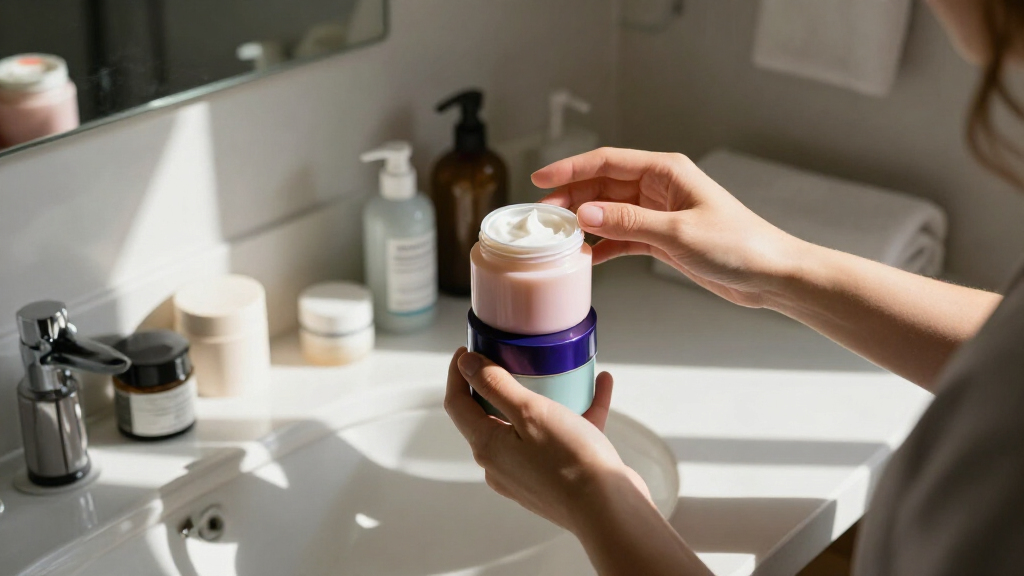
The format matters to shoppers because it can serve more than one purpose: individual products can be combined into a compact unit, while the act of stacking adds a tactile and customizable element. That pairing may help brands make everyday make-up feel more personal without relying only on decoration. It also gives consumers a way to organize several shades together, a practical feature when they want to carry or store more than one product.
For brands, stackable packaging offers a recognizable structure that can be extended across shades or product lines. Cosmetics Business says the format is being used to house blush options and encourage play with color. That could support repeat purchasing or collecting, but the source does not provide evidence on sales, customer retention, environmental impact or whether buyers keep the containers after use. The distinction matters: the report describes a design trend and its perceived appeal, not proof of commercial performance.
The return also reflects a broader tension in beauty packaging. Consumers may value novelty and display-worthy design, while still expecting products to work smoothly and fit into daily routines. Augustin’s comments emphasize that playful presentation has to coexist with usability. If stacking makes products harder to open, carry or clean, its decorative appeal may not be enough; the source does not report user testing that would settle those questions.
Products Worth Considering

Philips Sonicare 6500 Series Rechargeable Electric Toothbrush with 2 Brush Heads, White

BowFlex Results Series SelectTech Adjustable Dumbbells, Pair

Withings Body Scan Smart Scale with Segmental Body Composition and ECG, Black
As an affiliate, we earn on qualifying purchases.
A Familiar Format, New Appeal
Stackable beauty packaging has appeared before, so the current activity is better understood as a revival than an invention. The Cosmetics Business report says the format is back on beauty brands’ radar alongside interest in nostalgia and collectible items. It describes consumers as drawn to unusual pieces they can keep, display and use, but does not cite survey results or sales figures to show how widespread that preference is.
Nick Vaus, co-founder and managing partner of London-based brand agency Free The Birds, told Cosmetics Business that he has observed a cultural shift back towards minimalism, with consumers streamlining what they buy and own. His comment introduces a possible counterpoint: compact, stackable products could suit buyers seeking to keep fewer items, while the collectible aspect could also encourage accumulation. The report excerpt ends before completing Vaus’s explanation, so his full argument and supporting detail are unavailable.
The report also places tactile packaging within a wider turn toward play, naming brands Sincerely Yours and Bubble as examples associated with physical, comforting experiences and pointing to blind-box packaging as an adjacent format. Pond Design’s Augustin connects some of this interest to Gen Alpha. These are industry perspectives on design and consumer behavior; the source does not provide age-specific research or establish that Gen Alpha is driving the stackable trend.
Demand and Product Performance Unreported
The available report does not quantify how many products launched, how quickly sales are changing or how many consumers prefer stackable packaging. It also gives no comparison with standard packaging, no consumer research and no information on whether the cited launches have expanded beyond particular brands or markets. The phrase “making a comeback” describes the report’s assessment of renewed visibility, not a measured increase supported by figures.
It is also unclear how the products perform in daily use, whether components are refillable or recyclable, and how their packaging compares with conventional formats on material use. The report provides no prices, detailed product specifications or launch calendars. Its excerpt ends during Vaus’s comments, leaving his explanation of minimalism and stacking incomplete.
Watch for More Brand Extensions
The next observable developments will be whether the named brands continue extending their stackable ranges and whether other beauty companies adopt the format. Further product launches, availability details and customer response could show whether the renewed interest remains concentrated in a handful of make-up lines or spreads more broadly.
For a clearer assessment of the trend, readers would need launch and sales data, consumer research, and information on materials and end-of-life options. Cosmetics Business’s report identifies recent examples and design perspectives but does not announce a coordinated industry rollout or set out a future milestone. No additional launch schedule or follow-up data was provided in the source material.
Key Questions
Which brands are bringing back stackable beauty packaging?
Cosmetics Business names Prada Beauty, Jordana Ticia, SimiHaze and Nudestix as brands that launched or extended stackable options over the past 12 months. The report does not provide a complete product list or the specific launch dates.
What is driving interest in stackable make-up packaging?
The report points to a mix of playful, tactile design, nostalgia, collectibility and practical storage. Those explanations come from industry observers; the article provides no consumer survey or sales figures to measure the trend.
Is stackable packaging a new beauty format?
No. The report describes it as a familiar concept that has returned to brand attention. The current development is renewed activity from several brands, not the invention of the format.
Does the report show that stackable products are selling better?
No sales results or growth figures are included. The report discusses recent launches and design rationale, so it does not establish whether stackable products outperform other packaging.
Are stackable beauty products more sustainable?
The source does not provide information on recyclability, refills, materials or packaging waste. Stackability alone does not establish a product’s environmental impact; those details would be needed to compare formats.
Source: rss