Your skin barrier can be damaged by environmental stressors like UV rays, pollution, and harsh weather, making your skin feel dry, sensitive, and irritated. When the barrier weakens, it can’t hold in moisture or protect against irritants effectively. To repair it, use gentle products with ceramides, fatty acids, and hyaluronic acid, protect with sunscreen, and avoid harsh cleansers. Keep exploring to discover more effective ways to restore your skin’s health and resilience.
Key Takeaways
- The skin barrier protects against moisture loss and external irritants; damage causes dryness, redness, and sensitivity.
- Environmental stressors like UV rays, pollution, and harsh weather weaken the barrier, leading to increased vulnerability.
- Damaged skin barriers impair hydration retention and promote inflammation, accelerating aging and irritation.
- Repair involves using gentle, barrier-supportive products with ceramides, fatty acids, and hyaluronic acid, while avoiding harsh cleansers.
- Consistent skincare, sun protection, antioxidants, and healthy habits restore barrier strength, improving skin resilience and overall health.
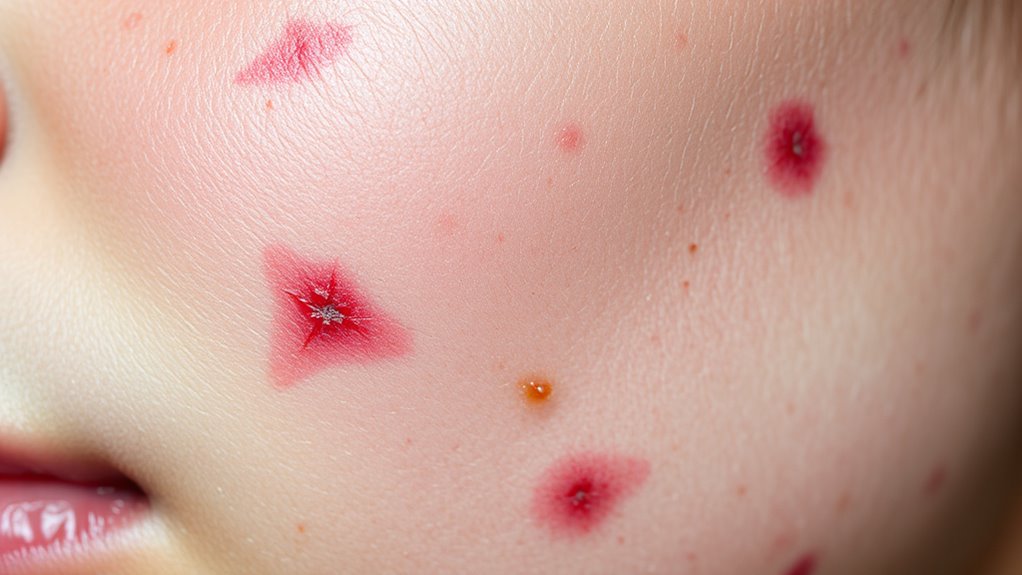
Have you ever wondered why your skin feels dry, irritated, or sensitive even after moisturizing? The answer often lies in your skin’s barrier health. Your skin barrier acts as a protective shield, keeping moisture in and harmful elements out. When it’s compromised, moisture loss becomes a common problem, and environmental stressors such as pollution, sun exposure, wind, and harsh weather can further weaken this essential barrier. These external factors strip away your skin’s natural oils, leading to increased dryness, redness, and heightened sensitivity. Without a strong barrier, your skin becomes more vulnerable to irritants and allergens, which can cause a vicious cycle of damage and discomfort. That’s why it’s important to understand what damages your skin barrier and how to repair it effectively.
A compromised skin barrier leads to dryness, redness, and sensitivity, making skin more vulnerable to environmental damage.
Environmental stress plays a significant role in damaging your skin barrier. UV rays, for instance, generate free radicals that break down collagen and weaken skin cells. Pollution particles can embed into your skin, triggering inflammation and oxidative stress. Wind and cold weather strip away moisture through evaporation, leaving your skin dry and flaky. These stressors not only cause immediate discomfort but also impair your skin’s ability to retain hydration over time. When your skin’s barrier is compromised, it’s less efficient at preventing moisture loss, making even well-applied moisturizers less effective. This can leave you feeling frustrated, as your efforts to hydrate seem futile despite regular skincare routines.
To repair your damaged skin barrier, you need to focus on both protecting it from further environmental stress and replenishing its natural oils. Using gentle, barrier-repairing products with ingredients like ceramides, fatty acids, and hyaluronic acid can help restore hydration and strengthen your skin’s defenses. Avoid harsh cleansers and exfoliants that strip natural oils, and always protect your skin with broad-spectrum sunscreen to shield it from UV damage. Incorporating antioxidants into your routine can combat free radicals and reduce oxidative stress. Additionally, maintaining a healthy lifestyle—hydrating properly, eating nutrient-rich foods, and avoiding smoking—supports your skin’s resilience and repair processes. Remember, repairing a damaged skin barrier takes patience; consistent care and protection are key to restoring your skin’s health and comfort.
Understanding the factors that cause moisture loss and environmental stress on your skin helps you make smarter choices in your skincare routine. By taking steps to shield your skin from external aggressors and nourishing it with targeted ingredients, you can rebuild a resilient barrier. This not only improves your skin’s appearance but also enhances its ability to stay hydrated, calm, and protected. In time, your skin will feel less dry, irritated, and sensitive—testament to a healthier, stronger barrier that’s better equipped to face everyday challenges.

COSRX Ceramide Skin Barrier Moisturizer for Face with 7 Ceramides, Hyaluronic Acid & Panthenol for All Skin Types, 2.7 fl.oz, Korean Skin Care
200+hrs of Deep Hydration: Lock in moisture for 200+ hours with 1 use. Experience moisturized soothed, and stronger…
As an affiliate, we earn on qualifying purchases.
As an affiliate, we earn on qualifying purchases.
Frequently Asked Questions
Can Skin Barrier Damage Be Inherited Genetically?
Yes, skin barrier damage can be influenced by genetic predisposition. Your hereditary factors may make your skin more prone to barrier issues, leading to increased sensitivity, dryness, or irritation. While genetics play a role, environmental factors and skincare habits also impact your skin’s health. To protect and repair your skin barrier, focus on gentle cleansing, moisturizing, and avoiding harsh ingredients, helping to strengthen your skin despite hereditary vulnerabilities.
How Long Does It Take to Fully Repair a Damaged Skin Barrier?
It typically takes about 4 to 6 weeks for your skin barrier to fully repair through proper skin renewal and consistent care. During this healing timeline, your skin actively rebuilds its natural protective layer, especially if you avoid harsh products and prioritize hydration. You’ll notice improvements gradually, as your skin’s resilience strengthens. Stay patient and committed to a gentle routine, and your skin barrier will restore itself over time.
Are There Specific Ingredients to Avoid During Skin Barrier Recovery?
Avoid harsh chemicals and fragrance additives during skin barrier recovery because they can worsen irritation and delay healing. Think of your skin as a delicate fortress; introducing irritants is like breaking down its walls. Instead, opt for gentle, soothing ingredients like ceramides and niacinamide. Staying away from these problematic substances helps your skin rebuild its natural barrier faster, keeping it healthy, resilient, and protected.
Can Lifestyle Changes Accelerate Skin Barrier Healing?
Yes, lifestyle changes can speed up your skin barrier healing. By improving your diet with nutrient-rich foods, you provide essential vitamins and antioxidants that support repair. Reducing stress through relaxation techniques helps lower inflammation, allowing your skin to recover faster. Staying hydrated and getting enough sleep also boost the healing process. Consistently adopting these habits creates a ideal environment for your skin to restore its natural barrier quickly.
Is It Safe to Use Exfoliants During Skin Barrier Repair?
You might worry about exfoliation safety during skin barrier repair, but gentle exfoliation can actually support skin renewal without causing harm. Just choose mild, non-abrasive products and avoid over-exfoliating, which can worsen damage. When done carefully, exfoliants help remove dead skin cells, promote cell turnover, and accelerate healing. Focus on soothing ingredients and listen to your skin’s signals—if it feels irritated, give it a break.
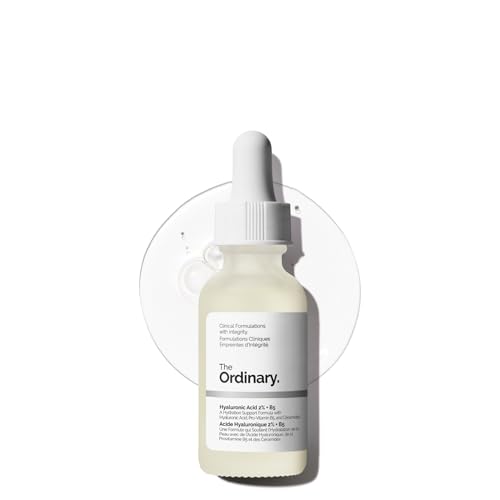
The Ordinary Hyaluronic Acid 2% + B5 (with Ceramides), Multi-Depth Hydration Serum for Plumper, Smoother Skin, 1 Fl Oz
INSTANT HYDRATION: Provides immediate, long-lasting hydration for smoother, plumper, and healthier-looking skin.
As an affiliate, we earn on qualifying purchases.
As an affiliate, we earn on qualifying purchases.
Conclusion
Think of your skin barrier as a fortress protecting your inner world. When it’s damaged, your skin becomes vulnerable, like a wall with cracks letting in harmful invaders. But with gentle care and the right repairs, you can restore its strength and resilience. Remember, every small effort is like patching up tiny holes—eventually, your fortress stands tall and secure again. Take care of your skin, and it’ll keep you safe and radiant every day.

EltaMD UV Clear Face Sunscreen SPF 46, Oil Free for Face with Zinc Oxide, Dermatologist Recommended Sunscreen Lotion, For Acne-Prone Sensitive Skin, 1.7 oz Pump
CLEAR SUNSCREEN FOR FACE: This lightweight face sunscreen with transparent Zinc Oxide provides broad spectrum SPF 46 protection…
As an affiliate, we earn on qualifying purchases.
As an affiliate, we earn on qualifying purchases.

Cetaphil Face Wash, Hydrating Gentle Skin Cleanser for Dry to Normal Sensitive Skin, 20 oz, Fragrance Free, Soap Free and Non-Foaming
CETAPHIL GENTLE SKIN CLEANSER: Clinically proven to cleanse while hydrating, providing 48 hours of hydration when wiped off…
As an affiliate, we earn on qualifying purchases.
As an affiliate, we earn on qualifying purchases.