Antioxidants are essential in your daily skincare because they protect your skin from environmental damage, like pollution and UV rays. They neutralize free radicals that cause premature aging, dark spots, and dullness, helping your skin look healthier and more radiant. Incorporating antioxidant products or eating antioxidant-rich foods can boost your skin’s resilience over time. To discover how these powerful ingredients can fit into your routine, keep exploring the benefits they offer.

Get beauty and skincare favorites delivered free with Prime
- Fast, free delivery on millions of items
- Prime Video, Amazon Music and more included
- Member-only deals all year
Key Takeaways
- Antioxidants protect skin from environmental damage and aging by neutralizing free radicals.
- They promote skin repair, regeneration, and enhance overall skin health and radiance.
- Topical antioxidants like Vitamin C and E provide daily protection and improve skin tone.
- Incorporating antioxidant-rich foods supports skin resilience from within.
- Consistent use of antioxidant products, combined with sun protection, maximizes skincare benefits.
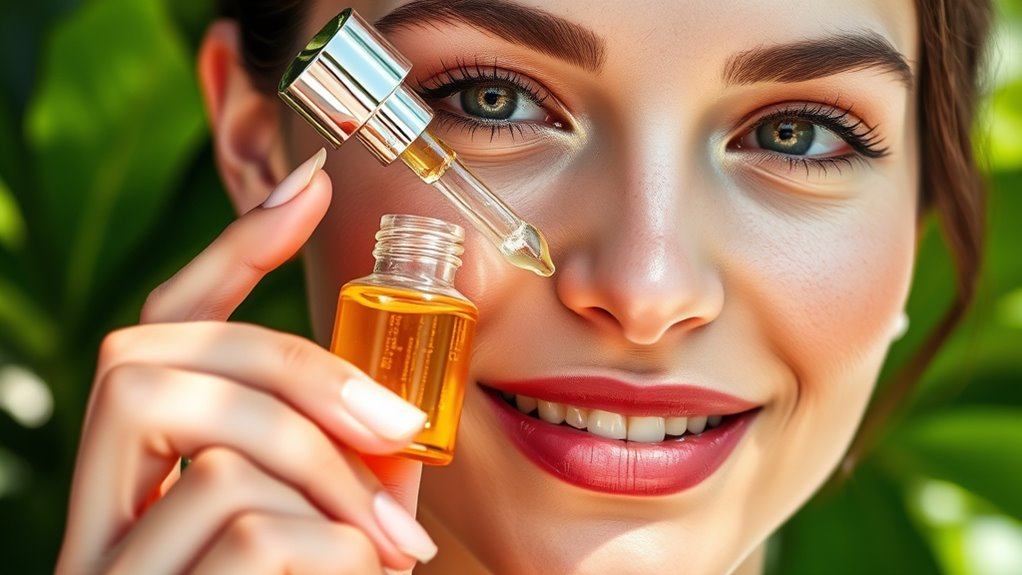
Antioxidants have become a popular ingredient in skincare because they help protect your skin from environmental damage and aging. These powerful compounds neutralize free radicals—unstable molecules that damage skin cells, leading to premature wrinkles, dark spots, and dullness. Incorporating antioxidant-rich products into your daily skincare routines can substantially improve your skin’s health and appearance. To maximize these benefits, it’s essential to understand antioxidant sources and how to integrate them effectively into your regimen.
Antioxidants protect skin from damage, aging, and promote a healthier, more radiant complexion.
Your antioxidant sources include a variety of skincare ingredients and natural foods. Common topical antioxidants found in serums, creams, and oils include vitamin C, vitamin E, ferulic acid, niacinamide, and green tea extract. These ingredients work synergistically to boost your skin’s defenses against environmental stressors such as pollution, UV rays, and cigarette smoke. In addition to topical products, consuming foods rich in antioxidants—like berries, nuts, spinach, and dark chocolate—can enhance your skin’s resilience from within. These dietary sources supply your body with vitamins and phytochemicals that support skin repair and regeneration, creating a thorough approach to antioxidant skincare.
Building effective antioxidant skincare routines involves more than just choosing the right products. You should apply antioxidant serums or creams after cleansing and before moisturizing to ensure active ingredients penetrate deeply. Vitamin C serums, for example, are best used in the morning to protect your skin throughout the day and brighten your complexion. Follow with a broad-spectrum sunscreen to shield your skin from UV damage, which can negate the benefits of antioxidants. In the evening, you might opt for products containing vitamin E or green tea extract to help your skin recover from daily environmental exposure while you sleep.
Consistency is key when it comes to antioxidant skincare routines. You won’t see results overnight, but with regular use, antioxidants can help diminish signs of aging, improve skin texture, and promote a more youthful glow. Remember to pair topical antioxidants with a healthy lifestyle—stay hydrated, limit sun exposure, and avoid smoking—to optimize their effects. If you’re new to antioxidants, start with a simple routine that includes a serum and sunscreen, then gradually incorporate other products or foods rich in antioxidant sources. This holistic approach ensures your skin benefits from the full spectrum of antioxidant protection, keeping it healthier, more resilient, and radiant over time.
Additionally, understanding the role of antioxidants in skincare can help you make more informed choices when selecting products, ensuring you get the maximum protective benefits.
Frequently Asked Questions
Can Antioxidants Prevent Premature Skin Aging Effectively?
Yes, antioxidants can effectively prevent premature skin aging by neutralizing free radicals involved in oxidant mechanisms that cause skin damage. When you include antioxidants in your skincare routine, you help protect your skin from oxidative stress, which accelerates skin aging. Regular use supports collagen production and reduces fine lines, keeping your skin youthful longer. So, incorporating antioxidants is a smart move to combat signs of skin aging proactively.
Are Natural Antioxidants Better Than Synthetic Ones?
Natural antioxidants from plant extracts are often better because they contain a variety of compounds that work synergistically, offering more extensive protection. They tend to have better chemical stability and fewer side effects compared to synthetic ones. You’ll likely notice fewer irritations and more effective skin benefits. So, when choosing antioxidants, opt for natural plant-based options to maximize skincare benefits and enjoy safer, more stable formulations.
How Often Should I Apply Antioxidant Products?
You should apply antioxidant products twice daily, morning and night, to maximize their benefits. For ideal results, consider layering antioxidants under your moisturizer or sunscreen in your morning routine and applying them before your night serum. Consistent application ensures your skin stays protected against environmental damage and premature aging. Remember, regular use is key, so stick to this routine to see the best long-term improvements in your skin’s health and appearance.
Can Antioxidants Help With Acne-Prone Skin?
Sure, antioxidants can be your skin’s best secret agent against acne. They fight off free radicals, help reduce inflammation, and even assist in pore minimization and oil control. While they won’t erase acne overnight, they calm irritation and prevent future breakouts. Think of antioxidants as your skin’s peacekeepers—keeping pores clear and oil balanced—making your acne-prone skin less chaotic and more in control.
Do Antioxidants Have Any Side Effects or Allergies?
Antioxidants can cause allergic reactions or ingredient sensitivities if you’re sensitive or allergic to certain components. You might experience redness, itching, or irritation if your skin reacts negatively. To avoid side effects, do a patch test before applying new antioxidant products. Always read ingredient labels carefully and consult with a dermatologist if you notice any adverse reactions, so you can enjoy the benefits without risking allergic responses.
Conclusion
As you nurture your skin daily, think of antioxidants as a shield that guards your natural glow like a gentle sunrise, illuminating your true beauty. They battle the relentless storm of environmental stressors, keeping your skin resilient and radiant. Embrace these powerful allies in your routine, and watch as your skin transforms into a vibrant canvas, resilient and glowing. Remember, caring for your skin is like tending a garden—tender, protective, and full of promise.
Columbus Day / Indigenous Peoples' Day Picks
long weekend sales
As an affiliate, we earn on qualifying purchases.