
TL;DR

Get beauty and skincare favorites delivered free with Prime
- Fast, free delivery on millions of items
- Prime Video, Amazon Music and more included
- Member-only deals all year
An ORALABX report describes the production controls and coordination needed to move mouthwash from an approved sample to repeatable manufacturing. It says brands should involve manufacturers early, because changes to flavour, packaging or filling can affect other decisions. The source does not provide production data or describe a specific product launch.
ORALABX has described the controls involved in moving mouthwash from an approved sample to commercial production, arguing that formula, flavour, packaging and filling decisions need to be planned together. The report matters to brands preparing a product for scale-up because a change that appears minor at sample stage can require further checks elsewhere in the process.
The report says production planning begins before the final sample is approved. Decisions about the formula, flavour target, colour or clarity, bottle, closure and filling method can affect one another, so the manufacturer recommends discussing them as connected parts of the product rather than as separate tasks. A flavour adjustment, for example, may affect clarity; changing a bottle or cap may require another compatibility check.
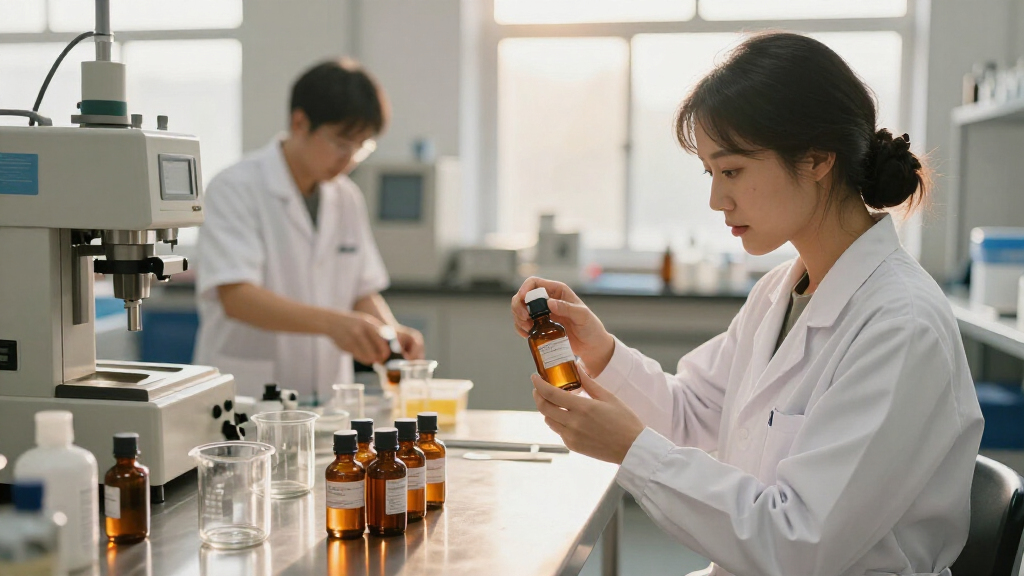
Once a product specification is agreed, manufacturing depends on controlling materials and process conditions. The report identifies raw materials matching their approved specifications, water quality, the order in which ingredients are added and mixing conditions as factors to follow. During production, teams check practical characteristics such as appearance and pH before the batch proceeds to filling.
Checks continue on the filling line and after packaging. The report lists fill level, closure application, leakage and pack appearance as items requiring attention. Finished products are compared with agreed requirements, production records are kept, and retained samples are stored so later batches can be compared with earlier production. The source does not publish numerical quality results or describe a particular manufacturing run.
Why Early Production Planning Matters
The report’s central point is that sample approval does not, by itself, establish that a product is ready for routine manufacturing. A hand-filled sample may look acceptable while still raising questions about how the liquid behaves during normal filling and capping. At higher volumes, a packaging or formula issue can affect production work across many units, making it useful to identify compatibility and process questions before a line is running.
For brands, involving a manufacturer early can help connect product design choices with operational checks. That is a practical recommendation from the source, not a guarantee that early consultation will prevent delays or defects. The report gives no cost, waste, failure-rate or time comparisons, so the scale of any potential savings cannot be quantified from the material provided.
The issue also matters to consumers because consistent product appearance, packaging and fill levels depend on controls beyond the original sample. The report describes checks intended to support repeatability, but it does not provide independent evidence about the performance of any specific mouthwash or manufacturer.
Products Worth Considering

Therabody Theragun Relief Massage Gun, 3-Speed, Navy

Philips Sonicare 5950 Rechargeable Electric Toothbrush with 2 Brush Heads, Pink

Fitbit Versa 2 Health and Fitness Smartwatch with Heart Rate, Alexa, Music, Sleep and Swim Tracking
As an affiliate, we earn on qualifying purchases.
From Approved Sample to Batch
The source report was published by Cosmetics Business and presents guidance from Peter Xie, OEM Project Director at ORALABX, an oral-care OEM and private-label manufacturer in China. Its subject is the handoff from product development to manufacturing, rather than a newly announced mouthwash, regulatory change or documented production incident.
In the account, the approved sample serves as a starting point for production planning. The manufacturer’s suggested sequence is to settle key product and packaging decisions, define the requirements against which production will be checked, and then follow specified controls during batching, filling and finished-product review. The source says these individual steps are not complicated on their own; the challenge is coordinating them consistently.
The report is guidance from a manufacturer involved in the sector. It does not set out an industry-wide standard, cite regulatory requirements or compare practices across manufacturers. Its examples explain the kinds of questions that may arise when a mouthwash moves from a small sample to ordinary filling and capping.
Details the Report Does Not Provide
The source does not identify a particular mouthwash brand, production batch or upcoming launch. It also gives no manufacturing volumes, test results, production costs, defect rates or quantified timelines, and it does not specify the acceptance limits used for pH, appearance or packaging checks.
It is not clear how the described procedures vary by formulation, package type or market, or whether they represent ORALABX’s own process rather than broader industry practice. The report offers manufacturer guidance, but provides no independent audit or comparison with other producers. Readers should not interpret its examples as a complete technical or regulatory specification.
Checks Before a Production Run
For a brand preparing to manufacture mouthwash, the steps described in the report point to further discussion with its manufacturer before the product is locked for a commercial run. That includes confirming the formula and target appearance, bottle and closure compatibility, filling method and approved specifications, as well as agreeing which batch and line checks will be recorded.
The source does not announce a follow-up production milestone or say that a specific product is entering manufacturing. The next development will depend on individual brands and manufacturers completing their own technical reviews and production planning. Any claim about a launch date, regulatory clearance or product performance would require information not included in the report.
Key Questions
What changes when mouthwash moves from sample to production?
Production requires the agreed formula and packaging choices to work under routine batching, filling and capping conditions. The report also describes material, water, mixing, in-process and finished-product checks.
Why should a manufacturer be involved before the sample is approved?
The report says flavour, clarity, bottle, closure and filling choices can affect one another. Discussing them early can bring compatibility or process questions to attention before commercial filling begins.
What checks does the report mention during production?
It lists appearance and pH checks during the batch, followed by attention to fill level, closure application, leakage and pack appearance on the line. Finished products are checked against agreed requirements.
Does the report describe a particular mouthwash launch?
No. It offers general production-planning guidance from ORALABX and does not identify a specific product, launch date, batch or set of test results.
Source: rss