
When you see labels claiming “natural,” “organic,” or “clean,” it’s important to understand what certifications mean. Not all labels are equally rigorous or trustworthy, as some rely on vague claims or self-certification. Genuine certifications involve strict standards, transparent processes, and third-party audits, ensuring ingredients are responsibly sourced and products safe. To make confident choices, it helps to know how these certifications differ—continue to explore what truly underpins clean beauty labels.

Get beauty and skincare favorites delivered free with Prime
- Fast, free delivery on millions of items
- Prime Video, Amazon Music and more included
- Member-only deals all year
Key Takeaways
- Not all “clean” labels are equally rigorous; verify certifications for genuine standards.
- Responsible sourcing ensures ingredients are obtained sustainably and free from harmful chemicals.
- Transparent certification processes include third-party audits and clear documentation.
- Higher-quality certifications emphasize natural sourcing, rigorous standards, and ongoing compliance.
- Consumers should research label meanings to make informed, safety-conscious beauty choices.
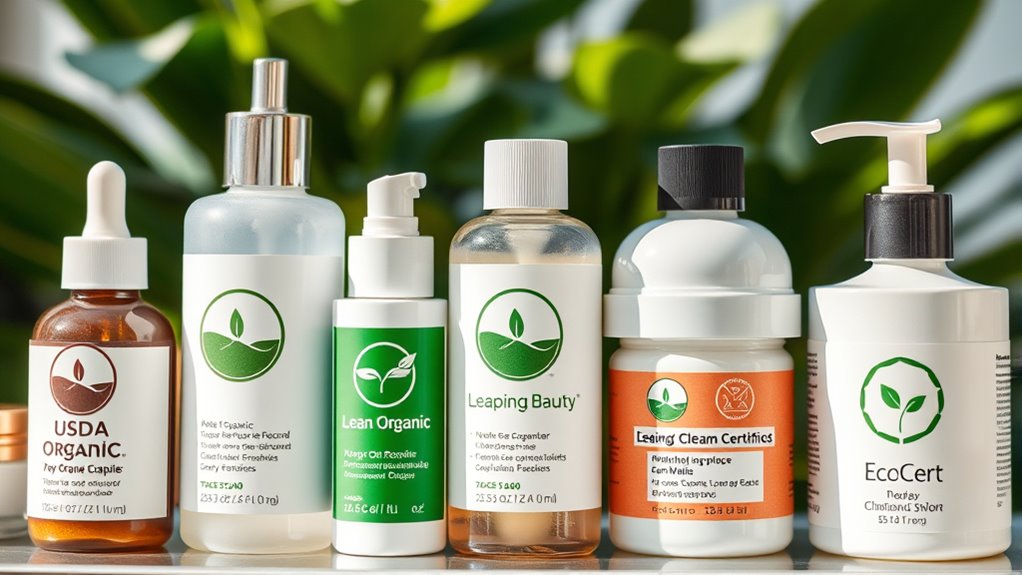
Have you ever wondered what truly makes a beauty product “clean”? It’s a question many consumers ask as the market floods with labels claiming to be natural, organic, or free from harmful chemicals. At the core of these claims lies the importance of understanding what certifications really mean. When you see a label like “clean,” it’s tempting to assume the product meets high standards, but the truth is that not all certifications are created equal. Two key factors to consider are natural ingredient sourcing and certification process transparency. These elements help you determine whether a product genuinely aligns with your values and safety expectations.
Natural ingredient sourcing refers to how ingredients are obtained and whether they are derived from nature without unnecessary chemical processing or synthetic additions. Certifications often specify strict guidelines for sourcing, ensuring that ingredients are harvested responsibly, sustainably, and free from harmful pesticides or pollutants. For you, this means that the product isn’t just labeled as “natural,” but has undergone a rigorous selection process to verify that its ingredients come from reputable sources. Knowing an ingredient’s origin can give you confidence that the product is better for your skin and the environment.
Responsible sourcing and strict guidelines ensure natural ingredients are genuine and eco-friendly.
Certification process transparency is equally important because it reveals how brands obtain and maintain their labels. Some certifications are highly regulated, requiring companies to submit detailed documentation, undergo third-party audits, and adhere to clear standards. Others might be more lenient or vague, allowing brands to self-certify or make broad claims without verification. When a certification process is transparent, you can easily access information about the standards a product meets, how often it’s reviewed, and whether independent organizations verify claims. This transparency empowers you to make informed decisions rather than falling for marketing hype.
Additionally, understanding the rigor of certification standards can help you differentiate between superficial claims and genuinely vetted products. A certification that emphasizes natural ingredient sourcing and maintains a transparent process indicates a higher level of integrity. Rather than relying solely on buzzwords, you can look for labels backed by rigorous standards and clear evidence. This way, you’re not just buying into a trend but investing in products that align with your desire for safety, sustainability, and authenticity.
Frequently Asked Questions
How Do Certifications Impact Product Safety?
Certifications can boost product safety by ensuring ingredient transparency and adherence to strict standards. When a product gets certified, it indicates regulatory enforcement is in place, reducing the risk of harmful ingredients. You’re more confident in the safety of what you’re using because certified products follow guidelines that prioritize your health. This helps you make informed choices, knowing that the label reflects a commitment to safety and transparency.
Are All Clean Beauty Labels Equally Trustworthy?
Not all clean beauty labels are equally trustworthy, even with ingredient transparency and marketing claims. While some brands genuinely prioritize safe ingredients, others use vague terms to appeal to health-conscious consumers. You should scrutinize labels, research certifications, and look beyond marketing claims to guarantee ingredient transparency. Don’t assume all labels are reliable—trustworthiness varies, so stay informed and critical to make truly clean, safe choices.
Can Certifications Guarantee Cruelty-Free Products?
Certifications can strongly suggest that a product is cruelty-free, but they don’t guarantee it completely. Look for labels that explicitly state no animal testing and emphasize ethical sourcing. Keep in mind, some certifications may not cover all practices, so it’s wise to research the certifying organization. Trust those that have strict standards and transparency, ensuring the brand truly aligns with cruelty-free and ethical principles.
Do Certifications Consider Environmental Sustainability?
Did you know that 73% of consumers prefer brands with eco-friendly practices? Certifications often consider environmental sustainability by evaluating sustainable sourcing and eco-friendly practices. They guarantee companies prioritize reducing waste, conserving resources, and supporting fair labor. When you see these labels, you’re backing brands committed to protecting the planet. So, yes, many certifications do consider environmental sustainability, helping you make eco-conscious choices effortlessly.
How Often Do Certification Standards Change?
Certification standards can change frequently, often due to regulatory updates that impact criteria or enforcement. You should stay informed about these updates, as they influence renewal processes for your certifications. Regularly reviewing certification guidelines guarantees your products remain compliant. Many organizations update standards annually or semi-annually, so proactively tracking these changes helps you maintain trust, uphold quality, and avoid potential certification lapses that could affect your brand’s reputation.
Conclusion
Understanding clean beauty certifications helps you make informed choices, but remember, not all labels mean the same. Did you know that over 60% of consumers trust labels more than ingredient lists? That highlights how important certifications are in guiding your decisions. By knowing what these labels truly signify, you can confidently select products that align with your values and skin’s health. Stay vigilant, ask questions, and prioritize transparency—your skin will thank you!
Halloween Picks
halloween
As an affiliate, we earn on qualifying purchases.