TL;DR

Get beauty and skincare favorites delivered free with Prime
- Fast, free delivery on millions of items
- Prime Video, Amazon Music and more included
- Member-only deals all year
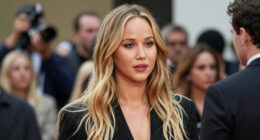
Celebrity hairstylist Chris Appleton has named Jennifer Lawrence’s latest fringe style “butterfly bangs.” The cut combines wispy, shorter strands across the forehead with longer layers that fan out around the cheekbones; how it is cut and styled can be tailored to the wearer.
Celebrity hairstylist Chris Appleton has named Jennifer Lawrence’s latest fringe “butterfly bangs,” describing a cut that combines airy strands across the forehead with longer, face-framing layers. The style sits between curtain bangs and a fuller French fringe, offering a seasonal haircut option whose shape can be adjusted by a stylist.
Appleton told Glamour UK that butterfly bangs take their name from the way the hair fans out like butterfly wings. The center is shorter and lighter, while the sides sweep outward toward the cheekbones. Rather than ending in a solid, blunt line, the fringe blends into longer layers around the face.
In an Instagram comment cited by the magazine, Appleton characterized the cut as “shorter and airy in the center”, with the sides “winging out at the cheekbones” to create movement. He also described shorter layers near the crown blending into longer ones lower down. Those details distinguish it from a conventional curtain fringe or a dense, uniform fringe.
The report links the look to Lawrence’s recent hair changes. She debuted blunt Birkin bangs the previous September, then worked with Appleton on a new fringe as autumn arrived. The article presents the latest look as a fresh variation, not a claim that the haircut is new to hairstyling or that it is already being worn widely.
A Softer Option for Fringe Season
The haircut’s appeal, as described in the report, is its middle ground between two familiar shapes: the split, face-framing effect of curtain bangs and the forehead coverage of a French fringe. For someone considering bangs but wary of a heavy, sharply defined line, the lighter center and blended sides may be an alternative to discuss with a stylist.
Its adaptability is a key part of the pitch. Appleton says the density can be tailored to facial features, while the layers are intended to create lift and movement. That is professional styling guidance, not evidence that one cut universally suits every person. Hair texture, growth pattern, upkeep preferences and the exact length chosen can affect the result.
The story also reflects how celebrity hairstyling can give a recognizable name to a variation on existing cuts. Lawrence’s appearance and Appleton’s description may draw attention to the style, but the source does not establish how popular it is among salon clients or whether it will become a lasting trend.
As an affiliate, we earn on qualifying purchases.
From Birkin Bangs to Butterfly Layers
The report places the haircut within Lawrence’s recent sequence of fringe styles. She wore blunt Birkin bangs the previous September, named in the article for French style icon Jane Birkin. This autumn, her work with Appleton produced a softer fringe that he called butterfly bangs.
The comparison in the source is with well-known fringe references: Sabrina Carpenter’s curtain bangs and Dakota Johnson’s denser signature style. Those are illustrative comparisons, not exact templates. The article’s defining description is the short, wispy center and outward-fanning sides that merge into face-framing layers.
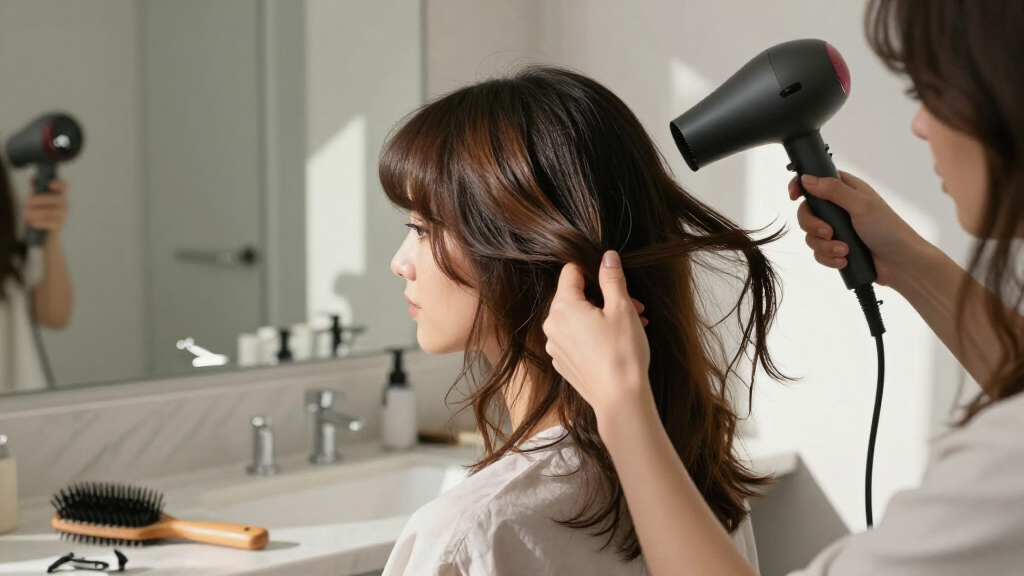
Appleton, identified by the magazine as a celebrity hairstylist and Color Wow creative director, also discusses products and styling. He suggests a volumizer for bounce and describes a 1990s-style blowout as a pairing for the cut. These are his recommendations; the report does not provide independent testing of the products or claim they are required.
““The bangs get their name from taking the shape of butterfly wings.””
— Chris Appleton, speaking to Glamour UK
face-framing layered bangs styling kit
As an affiliate, we earn on qualifying purchases.
As an affiliate, we earn on qualifying purchases.
Popularity and Wearability Remain Open
The source does not provide salon booking data, polling or other evidence showing how widely butterfly bangs are being requested. Its description of the look as a style to watch is editorial framing, rather than a measured trend finding.
It is also not possible to determine from the report how the cut would sit on an individual’s hair. Appleton says density can be adjusted for facial features, but the article does not set out how the style performs across different hair textures, cowlicks or maintenance routines. The exact cut and styling needs would depend on a consultation with a stylist.
airy curtain bangs hair accessories
As an affiliate, we earn on qualifying purchases.
As an affiliate, we earn on qualifying purchases.
Discussing the Cut With a Stylist
For readers interested in the look, Appleton advises asking a stylist for soft face-framing layers that blend into the rest of the hair. He says stylists can use overdirection and point-cutting to encourage the outward flip. Those are his suggested techniques; a stylist can adapt the request to the client’s hair and preferred length.
Appleton recommends adding volumizer for bounce and pairing the fringe with a blowout, but the report gives no required routine or guarantee that the shape will hold the same way for everyone. The next practical step is a consultation about fringe density, length and upkeep before cutting.
As an affiliate, we earn on qualifying purchases.
Key Questions
What are butterfly bangs?
They are a fringe style with shorter, wispy strands at the center and longer layers that fan outward toward the cheekbones and blend into the hair.
How are butterfly bangs different from curtain bangs?
Butterfly bangs include a lighter, brow-skimming center as well as face-framing sides. Appleton describes the overall cut as a blend of airy forehead coverage and outward-sweeping layers, rather than only a parted curtain shape.
Can butterfly bangs suit every face shape?
Appleton says the style can be tailored, suggesting lighter bangs to soften angular features and fuller bangs to add volume for round or oval faces. These are his styling suggestions, not a guarantee that one version will suit everyone.
What should I ask a stylist for?
Ask about soft, blended face-framing layers with a shorter, airy center and sides that turn outward. Appleton also mentions overdirection and point-cutting as techniques for creating that shape.
How does Chris Appleton suggest styling them?
Appleton recommends a volumizer for bounce and says the bangs pair with a 1990s-style blowout. The report does not say these products or styling steps are necessary for every hair type.
Source: rss
Halloween Picks
halloween
As an affiliate, we earn on qualifying purchases.