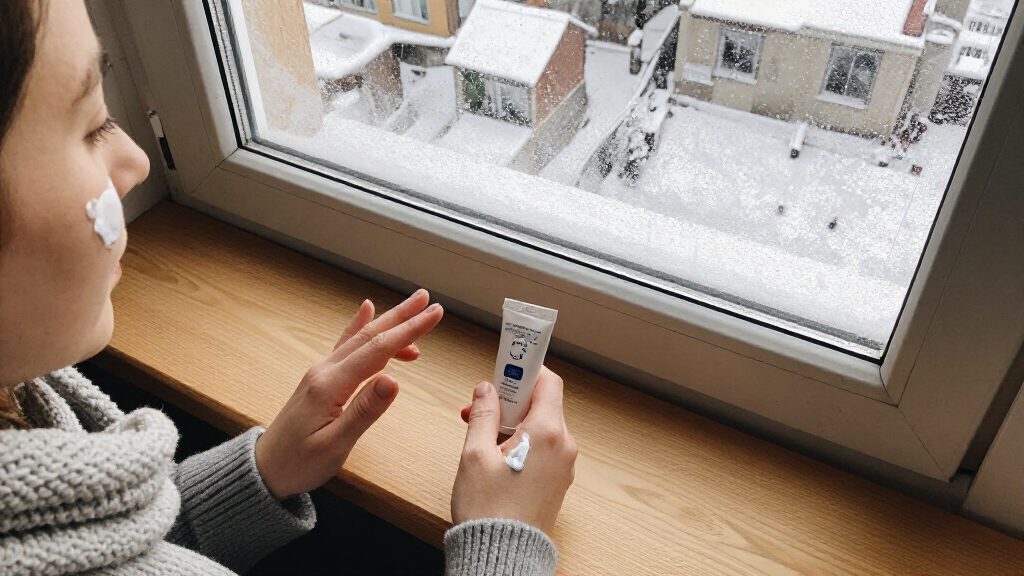

The best winter sunscreen overall in this roundup is EltaMD UV Clear SPF 46, a face-focused choice that pairs broad-spectrum protection with an oil-free feel. For a mineral option, La Roche-Posay Anthelios Mineral Light Fluid SPF 50 stands out; for exposed cheeks and lips in harsh wind, the portable Adventure Ready Face the Frost SPF 50 stick fills a different need. The main tradeoffs are mineral versus chemical filters, comfortable daily wear versus richer cold-weather barrier support, and face-specific formulas versus larger multipurpose lotions. Snow glare and long outdoor days can call for a different choice than a short winter commute. Read on for the full breakdown and help matching a sunscreen to your winter routine.

Get beauty and skincare favorites delivered free with Prime
- Fast, free delivery on millions of items
- Prime Video, Amazon Music and more included
- Member-only deals all year
Complete the kit


Key Takeaways
- The lineup divides into distinct jobs: EltaMD UV Clear and tinted face formulas suit everyday facial wear, while lotion formats such as Blue Lizard and Aveeno are more practical for broader body coverage.
- SPF alone does not decide the best winter pick: the SPF 50 stick and Dermatone protectors address exposed, wind-chapped areas, while standard lotions are easier to spread over larger areas.
- The strongest face-specific options carry different compromises: mineral formulas can appeal to shoppers avoiding chemical filters, while tinted products may help reduce a visible cast but offer fewer shade matches.
- Neutrogena Ultra Sheer appears at SPF 45, 70, and 100+, plus a separate SPF 70 face formula; choosing among them means weighing the label’s protection level against formula type, intended use, and how much product you will apply.
- Several products offer winter-relevant support beyond SPF, but a sunscreen or balm is not a substitute for a separate lip product or a wind barrier when cold exposure is severe.
| Neutrogena Ultra Sheer Dry-Touch Sunscreen Lotion SPF 45, 2-Pack, 3 fl oz Each |  | Best Winter Everyday Body Sunscreen | Brand: Neutrogena | Product type: Sunscreen lotion | SPF: 45 | VIEW LATEST PRICE | See Our Full Breakdown |
| Neutrogena Ultra Sheer Daily Face Sunscreen SPF 70 with BEMT, 1.4 fl oz |  | Best High-SPF Daily Face Pick | Brand: Neutrogena | Product type: Facial sunscreen | Sun protection: Broad-spectrum SPF 70 | VIEW LATEST PRICE | See Our Full Breakdown |
| La Roche-Posay Anthelios Mineral Light Fluid Face Sunscreen SPF 50 |  | Best Tinted Mineral Face Sunscreen | Active ingredient: Titanium dioxide | Sun protection: Broad-spectrum SPF 50 | Water resistance: 40 minutes | VIEW LATEST PRICE | See Our Full Breakdown |
| Aveeno Protect + Hydrate Sunscreen Lotion, SPF 60, 3 fl oz |  | Best for Winter-Dry Skin | Brand: Aveeno | Product type: Sunscreen lotion | Sun protection: Broad-spectrum SPF 60, UVA and UVB | VIEW LATEST PRICE | See Our Full Breakdown |
| Dermatone Skin Protector with Zinc, SPF 30, 0.5 oz |  | Best Cold-Weather Barrier Balm | Product type: Skin balm and barrier cream | Active ingredient: Zinc oxide | Sun protection: Broad-spectrum SPF 30, UVA/UVB | VIEW LATEST PRICE | See Our Full Breakdown |
| EltaMD UV Clear Face Sunscreen, Oil-Free, SPF 46 |  | Best for Sensitive, Acne-Prone Skin | Sun protection: Broad-spectrum SPF 46 | Active ingredient: Zinc oxide | Skin types: Normal, oily, acne-prone, rosacea-prone, and sensitive | VIEW LATEST PRICE | See Our Full Breakdown |
| Adventure Ready Face the Frost Winter Skin Protection Stick SPF 50, 0.65 oz |  | Best for Cold-Weather Touch-Ups | SPF: 50 | Protection: Broad spectrum | Active ingredient: Zinc oxide | VIEW LATEST PRICE | See Our Full Breakdown |
| EltaMD UV Daily Tinted Face Sunscreen Moisturizer SPF 40 with Zinc Oxide |  | Best Tinted Moisturizer for Dry Winter Skin | Sun protection: Broad-spectrum SPF 40 | Active ingredient: Zinc oxide | Key ingredient: Hyaluronic acid | VIEW LATEST PRICE | See Our Full Breakdown |
| CeraVe Hydrating Tinted Mineral Sunscreen for Face, SPF 30, Light, 1.7 oz |  | Best for a Hydrating, Natural-Looking Finish | Sun protection: Broad-spectrum SPF 30 | Sunscreen filters: Zinc oxide and titanium dioxide | Shade: Light | VIEW LATEST PRICE | See Our Full Breakdown |
| Blue Lizard Sensitive Mineral Sunscreen Lotion SPF 50, 3 oz |  | Best for Winter Outdoor Activities | SPF: 50 | Size: 3 oz | Active ingredients: Zinc oxide and titanium dioxide | VIEW LATEST PRICE | See Our Full Breakdown |
| Neutrogena Ultra Sheer Dry-Touch Sunscreen Lotion SPF 70, 3 fl oz |  | Best Overall for Active Winter Days | Brand: Neutrogena | Product type: Sunscreen lotion | Sun protection: Broad-spectrum SPF 70 | VIEW LATEST PRICE | See Our Full Breakdown |
| Neutrogena Ultra Sheer Dry-Touch Sunscreen Lotion, SPF 100+, 3 fl oz |  | Best for Maximum SPF | Brand: Neutrogena | Product type: Sunscreen lotion | Sun protection: Broad-spectrum SPF 100+ UVA/UVB | VIEW LATEST PRICE | See Our Full Breakdown |
| medicube Collagen Sunscreen SPF 50 |  | Best for a Moisturized, Glowy Finish | Sun protection: Broad-spectrum SPF 50 UVA/UVB | Key ingredients: Collagen, peptides, cica, niacinamide, hyaluronic acid, and ceramide | Finish: Glowy | VIEW LATEST PRICE | See Our Full Breakdown |
| Dermatone Skin Protector Balm – Face and Skin Barrier for Cold, Wind, Dry and Chapped Skin – SPF 23 – The Original Frostbite Fighter (0.5 oz tin) |  | Best Cold- and Wind-Barrier Balm | Sun protection: SPF 23 | Size: 0.5 oz tin | Petrolatum content: 76.5% | VIEW LATEST PRICE | See Our Full Breakdown |
| CeraVe Invisible Mineral Sunscreen SPF 50 for Face, 1.62 oz |  | Best Mineral Pick for Sensitive Skin | Product type: Mineral facial sunscreen | Sun protection: Broad-spectrum SPF 50 UVA/UVB | Size: 1.62 oz | VIEW LATEST PRICE | See Our Full Breakdown |
| winter sunscreen | Sun protection | Formula | Size |
|---|---|---|---|
| Neutrogena Ultra Sheer Dry-Tou | Broad spectrum UVA/UVB | Oil-free, non-comedogenic, oxybenzone-free, PABA-free | 2 x 3 fl oz |
| Neutrogena Ultra Sheer Daily F | Broad-spectrum SPF 70 | — | 1.4 fl oz |
| La Roche-Posay Anthelios Miner | Broad-spectrum SPF 50 | 100% mineral, fragrance-free, paraben-free | — |
| Aveeno Protect + Hydrate Sunsc | Broad-spectrum SPF 60, UVA and UVB | — | — |
| Dermatone Skin Protector with | Broad-spectrum SPF 30, UVA/UVB | — | 0.5 oz |
| EltaMD UV Clear Face Sunscreen | Broad-spectrum SPF 46 | Oil-free, non-comedogenic, fragrance-free, and paraben-free | — |
| Adventure Ready Face the Frost | — | PABA-free, paraben-free, and fragrance-free | 0.65 oz |
| EltaMD UV Daily Tinted Face Su | Broad-spectrum SPF 40 | — | — |
| CeraVe Hydrating Tinted Minera | Broad-spectrum SPF 30 | Fragrance-free, paraben-free, oil-free, and non-comedogenic | 1.7 oz |
| Blue Lizard Sensitive Mineral | Broad spectrum | Hypoallergenic, fragrance-free, and paraben-free | 3 oz |
| Neutrogena Ultra Sheer Dry-Tou | Broad-spectrum SPF 70 | Oil-free, non-comedogenic, oxybenzone-free, PABA-free | — |
| Neutrogena Ultra Sheer Dry-Tou | Broad-spectrum SPF 100+ UVA/UVB | — | — |
| medicube Collagen Sunscreen SP | Broad-spectrum SPF 50 UVA/UVB | Lightweight, non-greasy, non-sticky, non-comedogenic | — |
| Dermatone Skin Protector Balm | SPF 23 | — | 0.5 oz tin |
| CeraVe Invisible Mineral Sunsc | Broad-spectrum SPF 50 UVA/UVB | Fragrance-free, noncomedogenic | 1.62 oz |
More Details on Our Top Picks
Neutrogena Ultra Sheer Dry-Touch Sunscreen Lotion SPF 45, 2-Pack, 3 fl oz Each
For winter days when you want a familiar lotion for exposed skin without a glossy finish, this two-pack pairs broad-spectrum SPF 45 with a dry-touch matte feel. Its two 3-ounce bottles are easier to split between a bag and home than Aveeno Protect + Hydrate SPF 60’s single 3-ounce bottle, though Aveeno is the more moisture-focused choice for dry winter skin. This formula is oil-free and non-comedogenic, and it resists water for up to 80 minutes, which can help during outdoor activity or wet snow. The tradeoff is that its listed features prioritize a lightweight finish rather than added hydration, so it may not be the most comfortable pick for parched skin. Reapply at least every two hours, and after swimming, sweating, or towel drying.
Pros:- Broad-spectrum SPF 45 protection in a lightweight lotion
- Dry-touch matte finish and oil-free, non-comedogenic formula
- Water-resistant for up to 80 minutes
- Two 3-ounce bottles are convenient to keep in separate places
Cons:- Does not emphasize added moisturizing ingredients for dry winter skin
- Requires reapplication at least every two hours and after swimming, sweating, or towel drying
- Lotion may be less convenient than a balm for directly exposed areas in windy, cold conditions
Best for: People who want a portable, matte-finish sunscreen for routine winter commutes and outdoor errands, with one bottle for home and another for a bag.
Not ideal for: People whose main winter concern is dry, tight skin; Aveeno Protect + Hydrate SPF 60 is the more moisturizing option in this group.
- Brand:Neutrogena
- Product type:Sunscreen lotion
- SPF:45
- Sun protection:Broad spectrum UVA/UVB
- Size:2 x 3 fl oz
- Water resistance:Up to 80 minutes
- Formula:Oil-free, non-comedogenic, oxybenzone-free, PABA-free
- Key ingredients/technology:Vitamin E and Helioplex
- Finish:Dry-touch, smooth, matte
Our verdict“Choose this two-pack for portable, matte-finish SPF 45 coverage, but pick Aveeno Protect + Hydrate if winter dryness is your main concern.”
Neutrogena Ultra Sheer Daily Face Sunscreen SPF 70 with BEMT, 1.4 fl oz
This is the face-focused choice for winter days when you want SPF 70 in a lightweight formula that leaves no white cast. Compared with La Roche-Posay Anthelios Mineral Light Fluid SPF 50, it offers higher labeled SPF and water resistance up to 80 minutes, while the La Roche-Posay is 100% mineral, tinted, and designed for sensitive skin. The BEMT filter, antioxidants, and Micro-Peptide Technology give this formula a distinct feature set, but the small 1.4-ounce size makes it less suited to covering the body. Its non-greasy, fast-absorbing feel may work well under a winter routine without adding a visible cast across skin tones. Choose another option if you specifically want a mineral formula or a tint that can double as a makeup base.
Pros:- Broad-spectrum SPF 70 facial protection
- Lightweight, fast-absorbing, non-greasy formula
- Designed to leave no white cast
- Water-resistant for up to 80 minutes
Cons:- The 1.4-ounce size is limited for frequent application or body use
- Not a mineral sunscreen, unlike La Roche-Posay Anthelios Mineral Light Fluid
- Does not offer the tinted finish some buyers may want as a makeup base
Best for: Face-only sunscreen shoppers who prioritize a high SPF, a cast-free finish across skin tones, and water resistance for winter outdoor activity.
Not ideal for: Buyers seeking a mineral-only sunscreen, a tinted makeup base, or one larger bottle for face and body.
- Brand:Neutrogena
- Product type:Facial sunscreen
- Sun protection:Broad-spectrum SPF 70
- Key UV filter:BEMT (bemotrizinol)
- Formula features:Lightweight, fast-absorbing, non-greasy, no white cast
- Water resistance:Up to 80 minutes
- Size:1.4 fl oz
- Additional formula features:Antioxidants and Micro-Peptide Technology
Our verdict“Pick this for high-SPF, cast-free facial protection; choose La Roche-Posay Anthelios instead if mineral filters and a tint matter more.”
La Roche-Posay Anthelios Mineral Light Fluid Face Sunscreen SPF 50
For winter sunscreen buyers who prefer mineral filters and want a tint to soften the look of sunscreen on skin, this fluid combines titanium dioxide SPF 50 with a matte tinted finish. Unlike Neutrogena Ultra Sheer Daily Face Sunscreen SPF 70, it is 100% mineral and fragrance-free, making it a more fitting candidate for shoppers seeking those specific formula traits. The tint can also serve as a makeup base, though its four listed shade options may not suit every complexion. Its main practical limitation outdoors is 40-minute water resistance, half the listed duration of Neutrogena’s 80-minute option, so it is less convenient for extended wet or sweaty activity. This is a face-first pick, not the easiest choice for buyers who need a longer-lasting water-resistant formula or a clear finish.
Pros:- Broad-spectrum SPF 50 with titanium dioxide
- 100% mineral and fragrance-free formula designed for sensitive skin
- Blendable tint with a matte finish that can work under makeup
- Available in four listed shade options
Cons:- Water-resistant for only 40 minutes, less than Neutrogena Ultra Sheer Daily Face Sunscreen SPF 70
- Four shade options may not match every complexion
- Tinted finish is not suited to shoppers who prefer a clear sunscreen
Best for: People who want a fragrance-free, 100% mineral facial sunscreen with a tinted matte finish and a makeup-friendly base.
Not ideal for: People who need water resistance beyond 40 minutes, want an untinted finish, or need a broad shade selection.
- Active ingredient:Titanium dioxide
- Sun protection:Broad-spectrum SPF 50
- Water resistance:40 minutes
- Finish:Tinted matte
- Formula:100% mineral, fragrance-free, paraben-free
- Skin type:Suitable for sensitive skin
- Available shades:Tinted, Medium, Medium-Deep, Deep
Our verdict“Choose this for a tinted, fragrance-free mineral face sunscreen, but favor Neutrogena SPF 70 for longer water resistance and a cast-free, untinted finish.”
Aveeno Protect + Hydrate Sunscreen Lotion, SPF 60, 3 fl oz
Aveeno earns its place for buyers who want winter sun protection paired with a more moisture-minded lotion. It offers broad-spectrum SPF 60, prebiotic oat, and a formula described as suitable for face and body, so it covers more use cases than the face-only La Roche-Posay Anthelios Mineral Light Fluid SPF 50. It also resists water and sweat for up to 80 minutes, matching the listed duration of Neutrogena Ultra Sheer Dry-Touch SPF 45. The tradeoff is the finish: shoppers who specifically want a dry-touch matte feel may prefer Neutrogena, while Aveeno’s key appeal is helping skin feel soft. It is free from oil, dyes, parabens, phthalates, and oxybenzone, but regular reapplication remains part of using it outdoors.
Pros:- Broad-spectrum SPF 60 protection for face and body
- Prebiotic oat supports a moisturizing feel for dry-weather routines
- Water- and sweat-resistant for up to 80 minutes
- Suitable for sensitive skin and free from oil, dyes, parabens, phthalates, and oxybenzone
Cons:- Requires reapplication every two hours and after swimming, sweating, or towel drying
- Does not have the dry-touch matte finish described for Neutrogena Ultra Sheer SPF 45
- The 3-ounce bottle may be less convenient than a two-pack for keeping sunscreen in multiple places
Best for: People with winter-dry or sensitive skin who want one SPF 60 lotion for face and body and value prebiotic oat.
Not ideal for: People who prefer a clearly matte, dry-touch finish or want a compact two-bottle pack for separate locations.
- Brand:Aveeno
- Product type:Sunscreen lotion
- Sun protection:Broad-spectrum SPF 60, UVA and UVB
- Volume:3 fl oz
- Water and sweat resistance:Up to 80 minutes
- Key ingredient:Prebiotic oat
- Suitable for:Face and body; sensitive skin
- Free from:Parabens, phthalates, oxybenzone, dyes, and oil
Our verdict“Choose Aveeno for moisturizing SPF 60 coverage across face and body; choose Neutrogena Ultra Sheer if a matte finish and split two-pack suit you better.”
Dermatone Skin Protector with Zinc, SPF 30, 0.5 oz
Unlike the lotions in this lineup, Dermatone is a zinc oxide balm aimed at exposed skin facing cold, wind, and sun. Its compact 0.5-ounce tin makes it a practical add-on for a coat pocket or travel kit, while aloe and the balm format address the dry, chapped feel that can accompany winter outings. Compared with Aveeno Protect + Hydrate SPF 60, it offers lower SPF and a much smaller quantity, but its stated role as a skin and barrier protector is more specific to harsh-weather conditions. Water and sweat resistance lasts up to 80 minutes. The small tin may run out quickly if used over large areas, and the provided product information does not spell out application instructions, so buyers should check the label for how to apply and reapply it.
Pros:- Zinc oxide provides broad-spectrum SPF 30 protection
- Balm format with aloe is designed to moisturize and protect against wind and cold
- Water- and sweat-resistant for up to 80 minutes
- Compact 0.5-ounce travel tin is easy to carry
Cons:- Small quantity may be used up quickly when applied over larger areas
- SPF 30 is lower than the SPF 50 to 70 options in this roundup
- Product details do not specify application instructions
Best for: Skiers, hikers, and other outdoor winter users seeking a pocketable zinc balm for exposed face and lips in sunny, windy, or cold conditions.
Not ideal for: People who need a full-body daily sunscreen, prefer SPF 50 or higher, or want clear application directions included in the product details.
- Product type:Skin balm and barrier cream
- Active ingredient:Zinc oxide
- Sun protection:Broad-spectrum SPF 30, UVA/UVB
- Water resistance:Up to 80 minutes
- Key ingredient:Aloe
- Size:0.5 oz
- Packaging:Travel tin
Our verdict“Choose Dermatone as a pocketable cold-weather face-and-lip barrier balm, not as your main choice for high-SPF, full-body coverage.”
EltaMD UV Clear Face Sunscreen, Oil-Free, SPF 46
For winter face protection when heavier creams can feel uncomfortable, EltaMD UV Clear pairs broad-spectrum SPF 46 with an oil-free, non-comedogenic formula. Zinc oxide provides mineral protection, while niacinamide is a useful addition for buyers also concerned about uneven-looking tone. Its fragrance-free formula is aimed at sensitive and rosacea-prone skin, making it a more targeted facial pick than Blue Lizard Sensitive Mineral Sunscreen SPF 50, which is a water-resistant lotion suited to broader exposed areas and activity.
The tradeoff is that SPF 46 is lower than the SPF 50 options here, and this travel-size pump offers less product than a full-size daily lotion. Tinted and untinted versions are available, but availability may vary; check the selected version if tint matters to you.
Pros:- Broad-spectrum SPF 46 with zinc oxide
- Oil-free and non-comedogenic for acne-prone skin
- Fragrance-free formula includes niacinamide
- Travel-size pump is easy to pack
Cons:- SPF 46 is below the SPF 50 protection offered by several alternatives in this lineup
- Travel-size packaging may run out quickly with daily use
- Tinted and untinted options may not both be available
Best for: People with oily, acne-prone, rosacea-prone, or sensitive skin who want a lightweight facial sunscreen for everyday winter wear.
Not ideal for: Buyers seeking SPF 50 or higher, a water-resistant sunscreen for outdoor sports, or a larger bottle for frequent full-face application.
- Sun protection:Broad-spectrum SPF 46
- Active ingredient:Zinc oxide
- Skin types:Normal, oily, acne-prone, rosacea-prone, and sensitive
- Formula:Oil-free, non-comedogenic, fragrance-free, and paraben-free
- Additional ingredient:Niacinamide
- Packaging:Travel-size pump bottle
- Tint:Tinted and untinted versions available
Our verdict“Choose EltaMD UV Clear if your winter face sunscreen needs to suit sensitive or acne-prone skin more than it needs SPF 50 or a water-resistant finish.”
Adventure Ready Face the Frost Winter Skin Protection Stick SPF 50, 0.65 oz
When winter plans mean gloves, wind, and quick stops outside, the Adventure Ready Face the Frost stick offers a portable way to apply broad-spectrum SPF 50 to exposed skin. Its zinc oxide and moisturizing ingredients—dimethicone, shea, kokum, and turmeric—make it more winter-specific than the face-focused EltaMD UV Daily Tinted SPF 40, which is designed to hydrate and tint rather than provide a pocketable application format. The fragrance-free, PABA-free, and paraben-free formula also suits buyers avoiding those ingredients.
The stick is only 0.65 oz, so it is better for targeted use than covering large areas repeatedly. Application is limited to the skin the stick reaches, and the description does not specify water resistance. I would pair it with a separate lotion for broader coverage rather than relying on it as a single sunscreen for a full day outdoors.
Pros:- Broad-spectrum SPF 50 protection
- Stick format is compact and mess-free for on-the-go application
- Includes dimethicone, shea, kokum, and turmeric for a moisturizing feel
- Fragrance-free, PABA-free, and paraben-free
Cons:- Small 0.65 oz size is not suited to frequent full-area application
- Only protects areas where the stick is applied
- Water resistance is not specified
Best for: Skiers, hikers, and winter commuters who want a compact, mess-free option for reapplying sunscreen to exposed facial areas.
Not ideal for: People who need an economical full-body sunscreen, water-resistance details, or one product to cover large areas of skin.
- SPF:50
- Protection:Broad spectrum
- Active ingredient:Zinc oxide
- Other ingredients:Dimethicone, shea, kokum, and turmeric
- Formula:PABA-free, paraben-free, and fragrance-free
- Form:Stick
- Size:0.65 oz
Our verdict“Pick this stick for portable winter touch-ups on exposed skin, but use a lotion such as Blue Lizard Sensitive Mineral for more extensive coverage.”
EltaMD UV Daily Tinted Face Sunscreen Moisturizer SPF 40 with Zinc Oxide
Cold weather can leave facial skin feeling dry, and EltaMD UV Daily Tinted SPF 40 combines broad-spectrum zinc oxide protection with hyaluronic acid in a tinted, non-comedogenic formula. That makes it a stronger fit for dry or combination skin than EltaMD UV Clear SPF 46, whose oil-free, acne-focused formula is better suited to buyers prioritizing a lighter feel over added hydration. The tint is designed to avoid a white cast, so it can work as a simple daily face product when you prefer a more even-looking finish.
This is a face sunscreen, not a water-resistant option for extended outdoor activity, and SPF 40 is lower than the SPF 50 offered by Blue Lizard or the Adventure Ready stick. The stated tint range is medium-light to medium, which limits its fit for some complexions. Bottle size is not specified in the product details, so it is harder to judge how long a bottle will last.
Pros:- Broad-spectrum SPF 40 with zinc oxide
- Hyaluronic acid adds a hydrating element for dry-weather routines
- Tint is designed to avoid a white cast
- Fragrance-free and non-comedogenic
Cons:- Tint is intended for medium-light to medium skin tones
- SPF 40 is lower than the SPF 50 options in this group
- Bottle size is not provided in the product details
Best for: People with dry, combination, or normal skin who want a tinted winter face sunscreen with added hydration and a finish designed to reduce white cast.
Not ideal for: Buyers outside the stated medium-light to medium tint range, or anyone needing SPF 50, water resistance, or a clearly stated bottle size.
- Sun protection:Broad-spectrum SPF 40
- Active ingredient:Zinc oxide
- Key ingredient:Hyaluronic acid
- Skin types:Dry, combination, and normal
- Finish:Tinted
- Free from:Fragrance and parabens
- Non-comedogenic:Yes
Our verdict“Choose UV Daily if hydration and a tinted finish matter more to you than SPF 50 or a shade range suited to every complexion.”
CeraVe Hydrating Tinted Mineral Sunscreen for Face, SPF 30, Light, 1.7 oz
CeraVe Hydrating Tinted Mineral Sunscreen stands out for shoppers who want mineral filters alongside a moisturizer-like lineup of ceramides, hyaluronic acid, and niacinamide. Its zinc oxide and titanium dioxide provide broad-spectrum SPF 30, while iron oxides and a light tint help offset the white cast often associated with mineral sunscreen. Compared with EltaMD UV Daily Tinted SPF 40, CeraVe offers a stated 1.7 oz size and a broader all-skin-types suitability claim, but it provides less SPF protection.
The tradeoff is the limited shade selection: the listed Light shade is one of only three flexible tint shades, so the finish may not suit every skin tone. SPF 30 can make this less appealing for buyers who want the higher labeled protection of Blue Lizard SPF 50, particularly for long outdoor days. Its hydrating ingredients suit winter routines, but the tint and shade match still deserve attention before choosing it.
Pros:- Broad-spectrum SPF 30 with zinc oxide and titanium dioxide
- Ceramides and hyaluronic acid support a hydrating feel
- Iron oxides and tint help reduce the appearance of white cast
- Fragrance-free, oil-free, and non-comedogenic
Cons:- SPF 30 is lower than SPF 40 and SPF 50 alternatives in this lineup
- Only three flexible tint shades are available
- The Light shade may not match every complexion
Best for: People seeking a fragrance-free tinted mineral face sunscreen with moisturizing ingredients, especially those who prefer a light shade and natural-looking glow.
Not ideal for: Buyers who need SPF 50, a wider range of tint choices, or a sunscreen for water-based winter activities.
- Sun protection:Broad-spectrum SPF 30
- Sunscreen filters:Zinc oxide and titanium dioxide
- Shade:Light
- Size:1.7 oz
- Key ingredients:Ceramides, hyaluronic acid, niacinamide, and iron oxides
- Formula:Fragrance-free, paraben-free, oil-free, and non-comedogenic
- Suitable for:All skin types, including sensitive, dry, oily, and acne-prone skin
Our verdict“Choose CeraVe if a hydrating tinted mineral formula and a natural-looking finish matter more than higher SPF or extensive shade selection.”
Blue Lizard Sensitive Mineral Sunscreen Lotion SPF 50, 3 oz
For winter outings that involve snow, sweat, or time around water, Blue Lizard Sensitive Mineral Sunscreen offers broad-spectrum SPF 50 and up to 80 minutes of water resistance. Its zinc oxide and titanium dioxide filters, fragrance-free formula, and sensitive-skin positioning make it a more activity-ready choice than EltaMD UV Clear SPF 46, which is a lightweight facial sunscreen without stated water resistance. Aloe vera is included, and the UV-responsive cap provides a visual cue when exposed to UV light.
This 3 oz lotion is less convenient for quick, mess-free touch-ups than the Adventure Ready Face the Frost stick, though it is better suited to covering larger areas. It must be applied 15 minutes before sun exposure and reapplied at least every two hours, as well as after swimming, sweating, or towel drying. Those steps and the lotion format may feel like extra work for casual daily face use.
Pros:- Broad-spectrum SPF 50 with zinc oxide and titanium dioxide
- Water-resistant for up to 80 minutes
- Hypoallergenic, fragrance-free, and paraben-free formula for sensitive skin
- UV-responsive cap and aloe vera
Cons:- Requires application 15 minutes before sun exposure
- Must be reapplied at least every two hours and after swimming, sweating, or towel drying
- Lotion is less convenient for quick touch-ups than the Adventure Ready stick
Best for: People with sensitive skin who spend winter days skiing, hiking, or near water and want SPF 50 with a stated water-resistance period.
Not ideal for: Buyers wanting a lightweight tinted face product, a stick for quick application, or a sunscreen that does not require planned reapplication.
- SPF:50
- Size:3 oz
- Active ingredients:Zinc oxide and titanium dioxide
- Sun protection:Broad spectrum
- Water resistance:Up to 80 minutes
- Skin type:Sensitive skin
- Formula:Hypoallergenic, fragrance-free, and paraben-free
- Additional ingredient:Aloe vera
- Special feature:Smart Cap changes color in UV light
Our verdict“Choose Blue Lizard for sensitive skin and active winter days when SPF 50 and stated water resistance outweigh the convenience of a tinted face formula or stick.”
Neutrogena Ultra Sheer Dry-Touch Sunscreen Lotion SPF 70, 3 fl oz
For winter outings that mix everyday errands with time outdoors, I’d choose this as the most balanced option in this group. Its broad-spectrum SPF 70 offers more protection headroom than the medicube Collagen Sunscreen SPF 50, while 80-minute water resistance gives it a practical advantage for snow play or perspiration. The quick-absorbing, matte finish is also less likely to feel heavy under winter layers than Dermatone Skin Protector Balm, which prioritizes a thick barrier over a light lotion feel. The tradeoff is that this is a straightforward sunscreen, not a rich winter moisturizer, and its 3 fl oz size can run out quickly with regular face-and-body use. Reapply every two hours; the water-resistance claim does not remove that need.
Pros:- Broad-spectrum SPF 70 protection suits bright winter days and outdoor exposure.
- Water-resistant for up to 80 minutes, unlike options here with no stated water-resistance duration.
- Fast-absorbing, matte finish is less greasy than Dermatone Skin Protector Balm.
- Oil-free and non-comedogenic formula with a travel-friendly 3 fl oz bottle.
Cons:- Needs reapplication every two hours, with additional reapplication after swimming or sweating.
- Does not provide the richer cold-weather barrier of the petrolatum-based Dermatone balm.
- The small bottle may not last long when used generously on both face and body.
Best for: People who want one lightweight, high-SPF lotion for winter walks, snow activities, and everyday face-and-body use.
Not ideal for: People seeking substantial moisture for dry winter skin or a dedicated facial sunscreen with a skincare-focused formula.
- Brand:Neutrogena
- Product type:Sunscreen lotion
- Sun protection:Broad-spectrum SPF 70
- Volume:3 fl oz
- Water resistance:Up to 80 minutes
- Formula:Oil-free, non-comedogenic, oxybenzone-free, PABA-free
- Key ingredients and technology:Antioxidant vitamin E and Helioplex
Our verdict“Choose this for a versatile, water-resistant winter sunscreen with higher SPF than the medicube SPF 50, but add a moisturizer if cold air leaves your skin dry.”
Neutrogena Ultra Sheer Dry-Touch Sunscreen Lotion, SPF 100+, 3 fl oz
If your winter routine includes long days on reflective snow or at high elevations, this option offers the highest stated SPF in this five-product group. Its broad-spectrum SPF 100+ sets it apart from the Neutrogena Ultra Sheer SPF 70, though a higher SPF does not replace applying enough sunscreen or reapplying at least every two hours. The dry-touch, matte finish makes it more appealing than CeraVe Invisible Mineral Sunscreen SPF 50 for shoppers who prefer a lightweight lotion over a mineral face formula. It is also listed for both face and body, which keeps packing simple. The main winter-specific limitation is that water resistance is not specified; I would not make it my first choice for wet snow, sweating, or other conditions where that claim matters.
Pros:- Broad-spectrum SPF 100+ is the highest stated SPF among these five picks.
- Dry-touch matte finish absorbs quickly rather than leaving a rich, heavy layer.
- Suitable for face and body, so one product can cover multiple uses.
- Free of oxybenzone, PABA, parabens, phthalates, and dyes.
Cons:- Water resistance is not specified, unlike the Neutrogena Ultra Sheer SPF 70.
- Requires reapplication at least every two hours.
- Offers no stated cold-weather barrier ingredients comparable to Dermatone Skin Protector Balm.
Best for: Winter travelers and outdoor enthusiasts who prioritize very high stated SPF and want a lightweight lotion for face and body.
Not ideal for: People who need a stated water-resistance duration for snow sports or prefer a deeply moisturizing winter sunscreen.
- Brand:Neutrogena
- Product type:Sunscreen lotion
- Sun protection:Broad-spectrum SPF 100+ UVA/UVB
- Volume:3 fl oz
- Finish:Dry-touch, matte
- Use:Face and body
- Free of:Oxybenzone, PABA, parabens, phthalates, and dyes
- Reapplication:At least every two hours
Our verdict“Pick this when maximum stated SPF is your priority, but choose the SPF 70 version instead if a listed water-resistance duration matters.”
medicube Collagen Sunscreen SPF 50
Winter skin often needs more than a matte sunscreen, and medicube takes a skincare-first approach with collagen, peptides, cica, niacinamide, hyaluronic acid, and ceramide. Its SPF 50 broad-spectrum protection is lower than either Neutrogena lotion here, but the lightweight, glowy finish may suit someone whose skin feels tight or looks dull in cold weather. It is also designed to blend without a white cast and can sit under makeup, giving it a more polished daily-wear role than the outdoor-leaning Neutrogena Ultra Sheer SPF 70. The tradeoff is uncertainty: the provided details give no water-resistance information and no specific skin-type guidance. Its hydration claim may not translate equally for everyone, so very dry skin may still need a separate moisturizer.
Pros:- Broad-spectrum SPF 50 protection for daily winter use.
- Designed to blend without a white cast.
- Moisturizing ingredients include hyaluronic acid, ceramide, niacinamide, cica, collagen, and peptides.
- Glowy finish can double as a makeup base or be worn on bare skin.
Cons:- No water-resistance duration is provided, unlike Neutrogena Ultra Sheer SPF 70.
- Hydration results may vary, and the formula may not replace a separate moisturizer for very dry skin.
- Its glowy finish may not suit people who prefer the matte feel of Neutrogena Ultra Sheer.
Best for: Makeup wearers and people with winter-dry or dull-feeling skin who want SPF 50 in a glowy, skincare-style formula.
Not ideal for: People spending extended time in snow or wet conditions who need stated water resistance, or anyone seeking a matte finish.
- Sun protection:Broad-spectrum SPF 50 UVA/UVB
- Key ingredients:Collagen, peptides, cica, niacinamide, hyaluronic acid, and ceramide
- Finish:Glowy
- Formula:Lightweight, non-greasy, non-sticky, non-comedogenic
- White cast:Designed to blend without a white cast
- Makeup use:Can be used as a makeup primer or worn on bare skin
- Claimed hydration increase:61% after one use; results may vary
Our verdict“Choose medicube for a makeup-friendly, moisturizing-feeling SPF 50, not for wet winter activities or the highest SPF in this lineup.”
Dermatone Skin Protector Balm – Face and Skin Barrier for Cold, Wind, Dry and Chapped Skin – SPF 23 – The Original Frostbite Fighter (0.5 oz tin)
This is the most specialized winter pick: Dermatone pairs SPF 23 with a thick, protective barrier aimed at cold, wind, dryness, and chapping. Its 76.5% petrolatum content gives it a different job from Neutrogena Ultra Sheer SPF 70, which offers much higher SPF and a lighter, matte feel but is not described as a cold-weather barrier balm. The pocket-sized 0.5 oz tin makes Dermatone easy to carry on a ski day or windy hike and apply to exposed, vulnerable areas. That protective texture is also the main compromise: it can feel very greasy, and SPF 23 is below the SPF 50 and higher options in this group. I would treat it as a targeted barrier product, not a substitute for higher-SPF coverage during extended sun exposure.
Pros:- Creates a moisturizing barrier aimed at cold, wind, dryness, and chapping.
- 76.5% petrolatum supports a richer protective feel than the lightweight lotion options.
- Compact 0.5 oz tin fits easily in a pocket or gear bag.
- Includes lanolin, vitamin E, and tea tree leaf oil.
Cons:- SPF 23 is lower than the SPF 50 and SPF 70 options in this group.
- Very greasy texture may feel heavy or interfere with makeup.
- More specialized as a barrier balm than a lightweight, full-coverage daily sunscreen.
Best for: Skiers, hikers, and other outdoor users who need a portable balm for wind-chapped areas alongside a separate higher-SPF sunscreen.
Not ideal for: People who dislike greasy textures, want a lightweight all-over sunscreen, or need higher SPF as their only sun protection.
- Sun protection:SPF 23
- Size:0.5 oz tin
- Petrolatum content:76.5%
- Key ingredients:Lanolin, vitamin E, and tea tree leaf oil
- Intended protection:Cold, wind, dryness, and chapping
- Made in:USA
- Established:1981
Our verdict“Carry this for wind-chapped exposed skin, but pair it with a higher-SPF sunscreen such as Neutrogena Ultra Sheer SPF 70 for broader sun protection.”
CeraVe Invisible Mineral Sunscreen SPF 50 for Face, 1.62 oz
For a winter face sunscreen built around a gentler-feeling daily routine, CeraVe combines mineral SPF 50 with a fragrance-free, noncomedogenic formula and three essential ceramides. Its invisible, weightless finish is intended for all skin tones, making it a more face-focused alternative to the Neutrogena Ultra Sheer SPF 70, which has a higher SPF and stated water resistance but is presented as a general lotion. CeraVe also suits makeup routines thanks to its primer use, while medicube Collagen Sunscreen SPF 50 offers a glowy finish and a broader set of named skincare ingredients. The tradeoff is the 1.62 oz face-only size, which is less versatile for body coverage, plus the instruction to shake before use and apply 30 minutes before sun exposure.
Pros:- Broad-spectrum mineral SPF 50 protection for the face.
- Fragrance-free and noncomedogenic, with suitability listed for sensitive and acne-prone skin.
- Three essential ceramides and hydration support a skin-barrier-focused routine.
- Designed for an invisible, weightless finish across skin tones and under makeup.
Cons:- The 1.62 oz face-focused size is less useful for full-body coverage than Neutrogena Ultra Sheer SPF 70.
- Must be shaken before use.
- Instructions call for application 30 minutes before sun exposure, which takes more planning than a last-minute routine.
Best for: People with sensitive or acne-prone skin seeking a fragrance-free mineral SPF 50 for the face, including under makeup.
Not ideal for: People seeking one sunscreen for face and body, a stated water-resistance duration, or a formula requiring no advance application.
- Product type:Mineral facial sunscreen
- Sun protection:Broad-spectrum SPF 50 UVA/UVB
- Size:1.62 oz
- Formula:Fragrance-free, noncomedogenic
- Suitable for:All skin tones and skin types, including sensitive and acne-prone skin
- Additional ingredients:Three essential ceramides
- Finish:Invisible, weightless
- Makeup use:Can be used as a makeup primer
- Application instructions:Shake before use; apply 30 minutes before sun exposure
Our verdict“Choose CeraVe for a sensitive-skin-focused mineral face sunscreen, but pick Neutrogena Ultra Sheer SPF 70 for higher SPF and stated water resistance.”
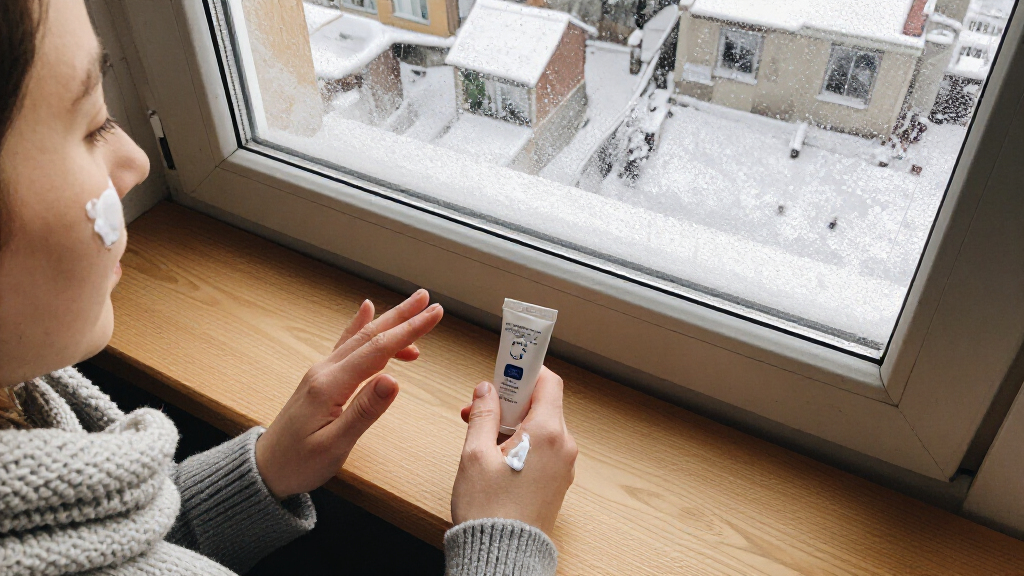
How We Picked
I ranked these options around the problems winter sunscreen has to solve: reliable labeled SPF, suitability for face or body, wearability on dry or sensitive-feeling skin, and practical application in cold weather. I also looked at format and portability, since a small stick or balm can be useful for exposed spots but is less convenient for covering a large area. Mineral and tinted options earned distinct places because filter preference and visible cast can shape daily use as much as SPF.
The order favors products with a clear role for regular winter routines, then separates them by the compromises a buyer will face. Face-specific formulas rank ahead of general lotions when the main goal is daily facial wear; multipurpose lotions remain useful for body coverage and shared use. Specialized cold-weather protectors are positioned for wind-exposed skin rather than as universal replacements for a broad-spectrum sunscreen. Product names and listed SPF are used as supplied; shoppers should check the current label for broad-spectrum wording, water-resistance claims, and directions.
Factors to Consider When Choosing Best Winter Sunscreens
Winter sunscreen shopping is less about finding one formula for every situation and more about matching protection to exposure, skin feel, and where you plan to apply it. These factors can help you avoid common mismatches that no SPF number alone can resolve.
Match the Formula to Your Exposure
A short walk to work and a full day skiing are not the same sunscreen job. For routine facial exposure, a face-specific formula may be easier to apply consistently; for a long outdoor day, think about how often you can reapply and whether the format works with gloves or cold hands. Snow and ice can reflect UV, so shade and cool temperatures do not remove the need for sun protection. A higher SPF label is not permission to apply less or skip reapplication. Match the sunscreen to the time outdoors, exposed skin, and the product label’s directions rather than relying on winter weather as a shield.
Choose Mineral or Chemical Filters for Your Preferences
Filter type affects both preference and application experience. Mineral products use zinc oxide, sometimes with other mineral filters, and may suit shoppers who specifically want a mineral formula; some can leave a visible cast, particularly on deeper skin tones. Chemical-filter options may spread more transparently, but anyone with a known sensitivity should check the active ingredients and their own clinician’s guidance. Tinted mineral formulas can soften the look of a cast, though a single tint will not match everyone. Do not choose by the word “mineral” alone: check the complete active-ingredient panel and whether the finish is one you will wear in the amount recommended.
Separate Sunscreen From Wind and Dryness Protection
Cold air and wind can leave skin feeling tight or chapped, but a sunscreen’s SPF does not tell you how well it will buffer those conditions. Balms and protective sticks can be useful on small exposed areas, while lotions cover larger surfaces more evenly. A very occlusive layer may feel comfortable in harsh weather but can be less appealing under makeup or across the whole face. Avoid treating a barrier balm as a full substitute for a broad-spectrum sunscreen unless its label supports that use and you apply it as directed. For frequent wind exposure, a scarf or other physical cover can complement sunscreen without asking one product to do every job.
Think About Coverage, Reapplication, and Packaging
Many winter routines fail because the product is inconvenient to use, not because the SPF label is too low. A 0.5-ounce balm is easy to carry but is not a practical format for covering arms and legs; a three-ounce lotion is better suited to larger areas but may be harder to apply outdoors with cold hands. Face products can fit neatly into a daily routine, while a dedicated body sunscreen may make sense for skiing or snow play. Check the container size against how much skin you need to cover and how often the label calls for reapplication. If you cannot apply enough or reapply when needed, a theoretically higher SPF may not deliver the routine you expect.
Treat Water Resistance as a Separate Label Check
Winter does not rule out sweat, wet snow, or time in a pool or hot tub. SPF and water resistance are separate claims, so check the packaging if your plans involve moisture or sustained activity. Do not infer water resistance from a product’s name, texture, or high SPF number. If the label gives a water-resistance duration, follow its reapplication directions and apply again after the stated period or towel drying as directed. For a dry commute, a water-resistant formula may be unnecessary; for active snow sports, it can be a more useful deciding factor than choosing the highest SPF on the shelf.
Pay for a Finish You Will Use, Not Just a Bigger Number
Face sunscreens often cost more per ounce than body lotions because they are designed around texture, tint, or daily layering. That can be worthwhile if a comfortable finish helps you use sunscreen every morning, but it is wasteful to buy a small facial tube for full-body coverage. Conversely, a large bottle may be poor value if its feel discourages regular facial application. Compare the intended application area, quantity, and label directions before comparing formats. When choosing between two SPF levels, a formula you can apply generously and routinely may serve your day-to-day needs better than a higher number in a texture you avoid.
Frequently Asked Questions
Do I need a different sunscreen for skiing or snowboarding than for ordinary winter errands?
Not always, but a full day outdoors changes the practical requirements. Snow can reflect UV, and you may need to cover more skin and reapply while away from home. Check that the product is broad spectrum and review its water-resistance claim if you expect sweat or wet snow. A face stick can make exposed areas easier to touch up, but it is not an efficient way to cover a large area. Pair sunscreen with protective clothing and follow the label directions throughout the day.
Is SPF 100+ a better winter choice than SPF 30 or SPF 50?
A higher SPF label indicates a higher level of protection against UVB under test conditions, but it does not remove the need for broad-spectrum coverage, adequate application, or reapplication. For ordinary winter routines, a well-applied broad-spectrum sunscreen can be more useful than an SPF 100+ product applied sparingly. High SPF can make sense for people seeking a larger UVB margin, but it does not mean the formula will feel better or address wind dryness. Compare the full label, intended use, and texture before choosing between the SPF levels in this roundup.
Can a winter barrier balm replace my regular face sunscreen?
Only if the product label identifies it as a sunscreen with suitable broad-spectrum protection and gives directions for the area you plan to cover. A balm may help shield small areas from wind, but its compact format is usually less practical for evenly covering the entire face. Check the stated SPF and active ingredients rather than assuming that a thick texture provides adequate sun protection. You may prefer a face sunscreen as your main layer and a protective balm only on particularly exposed or chapped spots. Follow each product’s directions and avoid relying on a balm beyond its labeled use.
Should I choose a tinted mineral sunscreen if I have deeper skin?
A tint may reduce the visible cast associated with some mineral formulas, but one shade cannot suit every complexion. If possible, check the shade range and how the tint looks when applied in the amount needed for sun protection, not just as a thin cosmetic layer. Mineral formulas without tint can leave a more noticeable residue on some skin tones. If the finish makes you apply too little, a different formula may be a better practical choice. Check the active ingredients and broad-spectrum claim alongside appearance, since tint alone does not define protection.
Can I use a body sunscreen on my face during winter?
Often, yes, if its label permits facial use and it does not irritate your skin, but body formulas may feel heavier or leave a finish you dislike under makeup. A face-specific product can be easier to wear every day, while a body lotion is often more practical for neck, hands, and other larger areas. Avoid the common mistake of saving face sunscreen by applying a thin layer of a product you find uncomfortable. Test a new formula on a small area first if you have sensitive skin, and follow the label’s application and reapplication directions.
Conclusion
For most people seeking one daily facial option, EltaMD UV Clear SPF 46 is my best overall pick because it has a clear face-focused, oil-free role. Best value for broad coverage: compare the Neutrogena Ultra Sheer lotions or Aveeno Protect + Hydrate based on the SPF and finish that suit your routine; their larger lotion formats are more practical for body use than small face tubes. Best premium face choice: La Roche-Posay Anthelios Mineral Light Fluid SPF 50 is the standout for shoppers prioritizing a mineral facial formula. Best for beginners: start with a face sunscreen that fits your normal morning routine, such as EltaMD UV Clear, rather than buying a specialized balm before you know you need one. For wind-exposed cheeks and small areas, choose Adventure Ready Face the Frost or a Dermatone protector as a targeted companion, not a substitute for broad-area sunscreen. The right pick is the one suited to your exposure and skin that you can apply generously and reapply as directed.