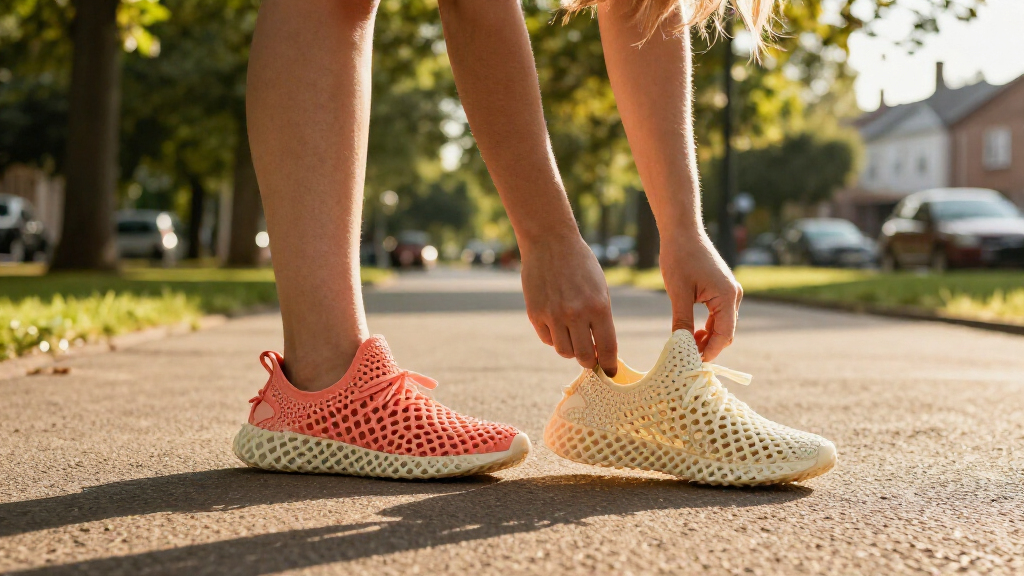

The best 3D-printed sneakers balance comfort and practical wear, not just an eye-catching lattice design. My best overall pick is the ARKKY AeroDash for its lightweight, breathable everyday-shoe concept; the adidas 4DFWD 2 is a stronger choice for runners seeking a purpose-built running model, while JOY FUTURE recovery shoes suit buyers prioritizing post-activity comfort. This category spans true sneaker-style footwear, recovery shoes, clogs, water shoes, and adidas 4D models, so intended use matters as much as construction. Expect tradeoffs between airflow, coverage, support, and versatility. Read on for the full comparison and guidance on choosing the right type for your routine.

Get beauty and skincare favorites delivered free with Prime
- Fast, free delivery on millions of items
- Prime Video, Amazon Music and more included
- Member-only deals all year
Complete the kit



Key Takeaways
- The AeroDash leads as an everyday-oriented pick: its lightweight lattice design makes more sense for casual wear than recovery slides or open-toe water styles.
- Running models should be judged separately from casual lattice shoes: adidas 4DFWD 2 and 4D Run 1.0 are running-focused options, while the other picks mainly emphasize casual, recovery, or water use.
- Open designs trade coverage for airflow: lattice sneakers, clogs, and water shoes can feel less enclosing, but they leave more of the foot exposed than closed-toe options.
- Recovery footwear is its own category: JOY FUTURE, UMEI, and the general unisex recovery shoe are better matched to relaxed wear than to training runs.
- “3D-printed” does not mean every shoe serves the same purpose: construction claims, fit, support, and activity suitability should guide the choice more than the technology label.
| ARKKY AeroDash 3D-Printed Lightweight Lattice Sneakers for Men |  | Best Overall for Airy Everyday Wear | Construction: One-piece 3D-printed lattice | Sole material: TPU | Outer material: Ethylene vinyl acetate (EVA) | VIEW LATEST PRICE | See Our Full Breakdown |
| ARKKY AeroBB Men’s 3D-Printed Lattice Sneakers |  | Best for Warm-Weather Travel | Construction: One-piece 3D-printed lattice with no stitching or glue | Sole material: TPU | Outer material: Ethylene vinyl acetate (EVA) | VIEW LATEST PRICE | See Our Full Breakdown |
| JOY FUTURE Unisex 3D Printed Recovery Shoes |  | Best for Arch-Support Seekers | Sole material: Thermoplastic polyurethane (TPU) | Outer material: Thermoplastic polyurethane (TPU) | Inner material: Cotton blend | VIEW LATEST PRICE | See Our Full Breakdown |
| Unisex 3D-Printed Lattice Slip-On Water Sandals |  | Best for Poolside and Beach Use | Sole material: Ethylene vinyl acetate (EVA) | Upper design: 3D-printed open lattice | Closure: Slip-on | VIEW LATEST PRICE | See Our Full Breakdown |
| Men’s 3D-Printed EVA Clogs with Cushioned Thick Sole |  | Best for Cushioned Wet-Surface Wear | Sole material: Ethylene vinyl acetate (EVA) | Outer material: Ethylene vinyl acetate (EVA) | Closure: Pull-on | VIEW LATEST PRICE | See Our Full Breakdown |
| adidas 4D Run 1.0 Men’s Running Shoes, White |  | Best for Data-Driven Running Cushioning | Intended use: Running | Upper: adidas Primeknit textile | Midsole: 3D-printed lattice using Digital Light Synthesis | VIEW LATEST PRICE | See Our Full Breakdown |
| UMEI Unisex 3D-Printed Closed-Toe Recovery Slides |  | Best for Wet-Weather Recovery | Sole material: Polyurethane elastomer (EPU) | Closure: Slip-on | Water resistance: Waterproof | VIEW LATEST PRICE | See Our Full Breakdown |
| adidas Women’s 4DFWD 2 Running Shoes |  | Best for Women Seeking a Secure Mesh Running Upper | Fit: Regular | Closure: Lace-up | Upper: PRIMEKNIT+ and engineered mesh | VIEW LATEST PRICE | See Our Full Breakdown |
| adidas Men’s 4D Fusio Shoes |  | Best for a Simple Lace-Up 4D Style | Fabric type: Synthetic and rubber | Origin: Made in the USA or imported | Sole material: Synthetic rubber | VIEW LATEST PRICE | See Our Full Breakdown |
| High-tech, Openwork Slip-on Casual Shoes Made Entirely with 3D Printing Technology; Lightweight, Breathable Honeycomb-mesh Gardening Clogs; Casual Walking Shoes |  | Best for Airy Casual and Water-Friendly Wear | Construction: Open lattice; described as made with 3D-printing technology | Style: Slip-on | Sole material: Natural rubber | VIEW LATEST PRICE | See Our Full Breakdown |
| 3D-Printed Recovery Shoes for Men and Women |  | Best for Recovery and All-Day Versatility | Construction: 3D-printed lattice | Sole material: Polymer elastomer | Outer material: Photopolymer resin | VIEW LATEST PRICE | See Our Full Breakdown |
| Unisex 3D-Printed Breathable Slip-On Water Shoes |  | Best for Lightweight Water Trips | Construction: 3D-printed, one-piece | Upper: Breathable open lattice | Sole material: Rubber | VIEW LATEST PRICE | See Our Full Breakdown |
| 3D printed sneaker | Sole material | Outer material | Closure | Water resistance |
|---|---|---|---|---|
| ARKKY AeroDash 3D-Printed Ligh | TPU | Ethylene vinyl acetate (EVA) | Elastic | Water resistant |
| ARKKY AeroBB Men’s 3D-Printed | TPU | Ethylene vinyl acetate (EVA) | Elastic | Not water resistant |
| JOY FUTURE Unisex 3D Printed R | Thermoplastic polyurethane (TPU) | Thermoplastic polyurethane (TPU) | Pull-on | Described as water resistant |
| Unisex 3D-Printed Lattice Slip | Ethylene vinyl acetate (EVA) | — | Slip-on | Water resistant |
| Men’s 3D-Printed EVA Clogs wit | Ethylene vinyl acetate (EVA) | Ethylene vinyl acetate (EVA) | Pull-on | Water resistant |
| adidas 4D Run 1.0 Men’s Runnin | Synthetic rubber | Rubber | — | — |
| UMEI Unisex 3D-Printed Closed- | Polyurethane elastomer (EPU) | — | Slip-on | Waterproof |
| adidas Women’s 4DFWD 2 Running | Rubber | Leather | Lace-up | — |
| adidas Men’s 4D Fusio Shoes | Synthetic rubber | Mesh | Lace | — |
| High-tech | Natural rubber | Rubber | — | — |
| 3D-Printed Recovery Shoes for | Polymer elastomer | Photopolymer resin | Pull-on | — |
| Unisex 3D-Printed Breathable S | Rubber | Ethylene Vinyl Acetate (EVA) | Pull-on | Not water resistant |
More Details on Our Top Picks
ARKKY AeroDash 3D-Printed Lightweight Lattice Sneakers for Men
The ARKKY AeroDash is my most versatile pick here for buyers who want a sneaker-shaped shoe with the airflow and drainage of an open lattice. Its one-piece construction is designed to reduce interior friction, while the flexible build and rebound cushioning suit casual walks and light workouts. Compared with the more sandal-like Unisex 3D-Printed Lattice Slip-On Water Sandals, the AeroDash gives you a more covered sneaker format; the tradeoff is that its open cells still leave room for grit and small debris to reach the foot. The description calls it water resistant, but does not explain the extent of that protection, so I would not treat it as a weatherproof shoe. Missing sizing and arch-support details also make fit harder to judge before buying.
Pros:- One-piece lattice construction is designed to reduce seams that can rub
- Open structure promotes airflow and quick water drainage
- Lightweight, flexible build includes rebound cushioning
- Textured outsole is designed to provide traction on varied surfaces
Cons:- Open cells offer limited protection from grit and debris
- Sizing and arch-support information is not specified
- The description does not clarify how much water resistance to expect
Best for: Men seeking a lightweight, breathable sneaker for casual walking, travel, and occasional low-intensity workouts, especially if quick drainage matters.
Not ideal for: Buyers who need a debris-blocking upper, defined arch support, or clear sizing guidance before ordering.
- Construction:One-piece 3D-printed lattice
- Sole material:TPU
- Outer material:Ethylene vinyl acetate (EVA)
- Closure:Elastic
- Water resistance:Water resistant
- Key features:Breathable, quick-draining, flexible, non-slip outsole
- Materials:Recyclable materials
Our verdict“Choose the AeroDash for a more sneaker-like, breathable everyday option, but skip it if you need a protective upper or precise fit guidance.”
ARKKY AeroBB Men’s 3D-Printed Lattice Sneakers
The ARKKY AeroBB puts ventilation and packable-feeling flexibility ahead of weather protection. Its open-cell TPU lattice is intended to let air move freely and water drain quickly, making it a practical match for travel days, casual walks, or wet settings where a conventional upper may stay damp. Unlike the ARKKY AeroDash, this model is explicitly listed as not water resistant; quick drainage should not be mistaken for keeping feet dry from rain or splashes. The seamless, stitch-free construction may reduce rubbing, and its flexible cushioning gives it more sneaker utility than the water sandals in this lineup. But the exposed design leaves less protection from debris, and buyers who want socks or a more conventional fit should check how the open structure works for them.
Pros:- Open-cell lattice promotes ventilation and quick drainage
- One-piece construction has no stitching or glue
- Flexible cushioning is designed to feel lightweight with rebound
- Grippy outsole is intended for city paths and wet surfaces
Cons:- Explicitly not water resistant, despite its quick-draining design
- Open cells provide less protection from debris than closed sneakers
- The description does not specify sizing or arch support
Best for: Men who prioritize airflow and fast drainage for warm-weather trips, casual city walks, or changing between dry and wet environments.
Not ideal for: Commuters who need rain protection or buyers walking on debris-heavy paths who want a more enclosed upper.
- Construction:One-piece 3D-printed lattice with no stitching or glue
- Sole material:TPU
- Outer material:Ethylene vinyl acetate (EVA)
- Closure:Elastic
- Water resistance:Not water resistant
- Design:Open-cell ventilation and quick-drain lattice
- Fit options:Barefoot or with socks
Our verdict“Pick the AeroBB for airflow-first travel and quick drainage, not for rainy commutes or protection from grit.”
JOY FUTURE Unisex 3D Printed Recovery Shoes
The JOY FUTURE Recovery Shoes stand apart from the AeroDash and AeroBB by focusing less on exposed lattice drainage and more on a pull-on recovery-shoe design with stated arch support. The seamless 3D-printed form is intended to adapt to foot shape, while a cotton-blend lining gives it a more shoe-like interior than the open-cell ARKKY models. That may suit buyers who want an easy-on option for downtime, but the provided details do not explain the support structure or substantiate the fatigue-relief claim, so I would treat those claims as intentions rather than proven outcomes. Its described water resistance also makes it a more covered alternative to the AeroBB, though there is no construction detail explaining that protection. With no sizing range or fit guidance supplied, choosing the right fit may be difficult.
Pros:- Seamless design is intended to adapt to the shape of the foot
- Arch support is included as a stated design feature
- Cotton-blend lining offers a more enclosed interior than open-lattice picks
- Pull-on closure makes it easy to put on and remove
Cons:- No sizing or fit range is provided
- The fatigue-relief claim lacks supporting detail in the product information
- No specific cushioning or outsole traction details are supplied
Best for: Buyers looking for a pull-on recovery-style shoe with stated arch support and a lined interior rather than an open, water-draining lattice.
Not ideal for: Shoppers who need clear sizing guidance, documented support details, or a shoe specified for athletic training.
- Sole material:Thermoplastic polyurethane (TPU)
- Outer material:Thermoplastic polyurethane (TPU)
- Inner material:Cotton blend
- Closure:Pull-on
- Design:Integrated 3D-printed construction
- Support:Designed with arch support
- Water resistance:Described as water resistant
Our verdict“Consider the JOY FUTURE if stated arch support and a lined pull-on design matter more than the ARKKY models’ open-air drainage.”
Unisex 3D-Printed Lattice Slip-On Water Sandals
For pool visits, beach walks, and gardening, these 3D-printed lattice sandals make more sense than the sneaker-style ARKKY AeroDash: their slip-on format is easy to rinse and their open upper drains quickly. The textured EVA sole is designed for grip on wet and dry surfaces, while the listing says the fit is designed for narrow and wide feet. That flexibility does not replace checking the foot-length chart, which the product specifically asks buyers to do. Compared with the Men’s 3D-Printed EVA Clogs, this sandal gives the foot more exposure and less upper coverage, but its simple open design suits water-side use better. It is not the right pick for rocky paths or settings where you want a closed, debris-blocking shoe.
Pros:- Open lattice promotes airflow and water drainage
- Lightweight, flexible construction suits water-side activities
- Slip-on design is easy to put on and remove
- Textured sole is designed for grip on wet and dry surfaces
Cons:- Open upper offers limited coverage and toe protection
- Sizing requires checking the foot-length chart
- The sandal format is less suited to longer walks needing a covered shoe
Best for: People who need an easy-rinse shoe for pool decks, beach outings, gardening, or short casual walks on wet and dry surfaces.
Not ideal for: Buyers who need toe coverage, a secure enclosed upper, or reliable protection on rocky and debris-covered routes.
- Sole material:Ethylene vinyl acetate (EVA)
- Upper design:3D-printed open lattice
- Closure:Slip-on
- Water resistance:Water resistant
- Fit:Designed for narrow and wide feet
- Care:Rinse with water and air dry
Our verdict“Choose these sandals for easy-draining poolside and beach use, but opt for a more covered clog or sneaker when protection matters.”
Men’s 3D-Printed EVA Clogs with Cushioned Thick Sole
The Men’s 3D-Printed EVA Clogs are the strongest choice here for buyers who want more underfoot cushioning than the thin, sandal-like format suggests. Their dual-density EVA sole is designed to cushion impact, and the multidirectional tread targets traction on wet surfaces. Compared with the Unisex 3D-Printed Lattice Slip-On Water Sandals, the clog’s lattice upper gives the foot a more enclosed feel, though it still leaves openings that can admit debris. The water-resistant EVA is easy to rinse clean, making these more practical for chores or damp environments than the non-water-resistant ARKKY AeroBB. The tradeoff is limited fit information: the product details do not provide sizing guidance, and the open-cell upper is not a substitute for a fully closed shoe.
Pros:- Dual-density EVA sole is designed to cushion impact
- Water-resistant EVA is lightweight and easy to rinse clean
- Open-cell lattice allows airflow and water drainage
- Textured multidirectional tread is intended for wet-surface traction
Cons:- Open lattice offers less coverage than a closed shoe
- Sizing and fit details are not specified
- Clog construction is less suited to buyers wanting a conventional athletic sneaker
Best for: Men seeking a rinse-clean, water-resistant clog with added sole cushioning for household tasks, gardening, and casual wet-surface wear.
Not ideal for: Buyers who need precise fit guidance, full upper protection, or a lightweight running sneaker for structured workouts.
- Sole material:Ethylene vinyl acetate (EVA)
- Outer material:Ethylene vinyl acetate (EVA)
- Closure:Pull-on
- Upper design:3D-printed open-cell lattice
- Sole construction:Dual-density cushioned EVA
- Outsole:Textured, multidirectional tread
- Water resistance:Water resistant
Our verdict“Choose these clogs for cushioned, easy-clean wear around wet areas, but skip them if you need a closed or precisely sized sneaker.”
adidas 4D Run 1.0 Men’s Running Shoes, White
The 4D Run 1.0 is the clearest running-focused pick here: its digitally printed lattice midsole is designed around athletic data to provide cushioning and energy return, rather than the open, water-friendly construction of the UMEI Recovery Slides. A Primeknit textile upper and contoured heel clip help hold the foot in place, making this a more structured choice for running than casual slip-ons such as the High-tech Openwork Slip-on Shoes. The tradeoff is versatility: the listed materials and construction are aimed at running, and no waterproofing or weather protection is specified. I’d choose it for buyers who want a 3D-printed midsole in a conventional lace-free running-shoe format, but not as an all-weather or water-activity shoe.
Pros:- 3D-printed lattice midsole is designed to provide cushioning
- Midsole design is intended to return energy during movement
- Primeknit textile upper and contoured heel clip help hold the foot in place
- Running-specific construction gives it a clearer athletic purpose than casual 3D-printed slip-ons
Cons:- Running-focused design may be less suitable for lounging or general casual wear
- No waterproofing or weather protection is specified
Best for: Male runners seeking a structured running shoe with a 3D-printed lattice midsole and a textile upper that helps secure the foot
Not ideal for: Buyers who need waterproof footwear or a versatile shoe for wet settings, since no weather protection is described
- Intended use:Running
- Upper:adidas Primeknit textile
- Midsole:3D-printed lattice using Digital Light Synthesis
- Sole material:Synthetic rubber
- Outer material:Rubber
- Fabric:Synthetic and rubber
- Origin:Made in the USA or imported
Our verdict“Choose the 4D Run 1.0 if running-focused lattice cushioning matters more than wet-weather versatility.”
UMEI Unisex 3D-Printed Closed-Toe Recovery Slides
The UMEI Recovery Slides stand apart from the running-oriented adidas 4D Run 1.0 by prioritizing easy recovery wear and wet-surface practicality. Their waterproof, ventilated construction is designed to dry quickly, while a contoured footbed with arch support and adaptive cushioning adds more structure than a basic flat slide. A treaded sole also makes these more suited to damp indoor or outdoor paths than the adidas running shoe, for which no water protection is listed. The compromise is fit and finish: narrow-footed buyers may need to size down, and the eco-coated upper may fade with extended outdoor exposure. I’d pick these for post-workout wear, poolside use, or casual walking, not for buyers seeking a conventional running shoe.
Pros:- Waterproof, ventilated construction is designed to dry quickly
- Contoured footbed offers arch support and adaptive cushioning
- Treaded sole is intended to grip wet and dry surfaces
- Lightweight slip-on format is easy to wear for recovery and casual use
Cons:- Narrow feet may need one size smaller for a better fit
- Eco-coated upper may fade with prolonged outdoor wear
Best for: People who want lightweight, waterproof recovery footwear for post-workout wear, poolside use, or short walks on wet surfaces
Not ideal for: Narrow-footed buyers unwilling to adjust sizing, or anyone who needs a running shoe rather than a recovery slide
- Sole material:Polyurethane elastomer (EPU)
- Closure:Slip-on
- Water resistance:Waterproof
- Fit:Standard; narrow feet may need one size smaller
- Footbed:Contoured arch support with adaptive cushioning
- Structure:Ventilated
- Materials:Recyclable materials with a non-toxic eco-coating
Our verdict“Choose the UMEI slides for quick-drying recovery comfort and wet-surface use rather than running.”
adidas Women’s 4DFWD 2 Running Shoes
The adidas Women’s 4DFWD 2 makes most sense for buyers who want a conventional lace-up running shoe with a PRIMEKNIT+ and engineered-mesh upper. Compared with the adidas 4D Run 1.0, whose supplied details specifically describe a digitally printed lattice midsole and its intended cushioning and energy return, the 4DFWD 2’s listed strengths center on its upper, regular fit, and Continental Rubber outsole. That gives shoppers useful construction details, but the product information here does not specify the midsole technology, so I wouldn’t choose it over the 4D Run 1.0 on the strength of a documented printed-lattice benefit. The lace-up closure supports an adjustable fit; the tradeoff is that its outer-material listing includes leather, which may not suit shoppers seeking fully synthetic materials.
Pros:- PRIMEKNIT+ and engineered mesh provide a specified combination of upper materials
- Lace-up closure allows fit adjustment
- Regular fit gives buyers a clear fit description
- Continental Rubber outsole is a named construction feature
Cons:- The supplied product details do not specify the midsole’s 3D-printing construction or performance
- Leather is listed as an outer material, which may not suit buyers seeking a fully synthetic shoe
Best for: Women who want a lace-up running shoe with a regular fit, a PRIMEKNIT+ and mesh upper, and a Continental Rubber outsole
Not ideal for: Shoppers seeking clearly specified 3D-printed midsole performance or a shoe made entirely from synthetic materials
- Fit:Regular
- Closure:Lace-up
- Upper:PRIMEKNIT+ and engineered mesh
- Outsole:Continental Rubber
- Sole material:Rubber
- Outer material:Leather
- Fabric type:Synthetic and rubber
Our verdict“Choose the 4DFWD 2 for its specified mesh-knit upper and lace-up fit, but prefer the 4D Run 1.0 if documented lattice-midsole details are your priority.”
adidas Men’s 4D Fusio Shoes
The adidas Men’s 4D Fusio offers a straightforward combination of a mesh upper, lace closure, and synthetic rubber sole. Those basics make it easier to compare with the running-specific adidas 4D Run 1.0, which has a documented 3D-printed lattice midsole and stated cushioning and energy-return intent. For the Fusio, the supplied product details do not explain its midsole construction or establish a running benefit, so I’d treat its “4D” name as insufficient evidence of a particular printed-lattice performance advantage. Its mesh upper and lace closure still give buyers a familiar, adjustable shoe format, but the sparse specifications make it harder to judge fit, weather protection, or best use. This is a cautious pick for buyers drawn to a simple adidas style, not shoppers who want clearly documented 3D-printed technology.
Pros:- Mesh upper is specified
- Lace closure provides an adjustable fastening option
- Synthetic rubber sole is specified
- Made in the USA or imported is stated as the origin
Cons:- Supplied details do not describe a 3D-printed midsole or explain its performance
- Intended use, fit, and weather protection are not specified
- The limited construction information makes it difficult to compare against the documented lattice midsole of the 4D Run 1.0
Best for: Men seeking a basic adidas lace-up shoe with a mesh upper and synthetic rubber sole, without needing detailed performance claims
Not ideal for: Buyers choosing specifically for documented 3D-printed midsole technology, running performance, or weather protection
- Fabric type:Synthetic and rubber
- Origin:Made in the USA or imported
- Sole material:Synthetic rubber
- Outer material:Mesh
- Closure:Lace
- Fit:Not specified
Our verdict“Choose the 4D Fusio for a simple mesh-and-lace adidas shoe, not for a clearly documented 3D-printed running advantage.”
High-tech, Openwork Slip-on Casual Shoes Made Entirely with 3D Printing Technology; Lightweight, Breathable Honeycomb-mesh Gardening Clogs; Casual Walking Shoes
Unlike the structured, running-oriented adidas 4D Run 1.0, these openwork slip-ons emphasize airflow, quick rinsing, and easy on-and-off wear. Their hollow lattice design is intended to keep feet cool, while the product description positions them for casual walks, beach outings, poolside use, and gardening. That makes them a more casual, water-friendly alternative to the running shoes in this lineup, though the listing does not provide technical details about the 3D-printing material or the claimed construction. A natural-rubber sole and textile inner material are specified, but no fit measurements or support features are given. I’d consider these for warm-weather errands and wet leisure settings, not for buyers who need a proven running shoe or a well-documented fit.
Pros:- Open lattice construction is designed to promote airflow
- Slip-on design makes the shoes easy to put on and remove
- Water-friendly construction is described as quick-drying and easy to rinse
- Natural-rubber sole and textile inner material are specified
Cons:- The supplied details do not identify the 3D-printing material or provide technical construction specifications
- No fit measurements or support features are described
- Casual, openwork design is less clearly suited to running than the adidas 4D Run 1.0
Best for: Buyers seeking airy slip-on footwear for warm-weather casual walks, gardening, beach trips, or poolside wear
Not ideal for: Runners or shoppers who need specified arch support, detailed fit guidance, or documented midsole performance
- Construction:Open lattice; described as made with 3D-printing technology
- Style:Slip-on
- Sole material:Natural rubber
- Outer material:Rubber
- Inner material:Textile
- Intended use:Casual wear, beach, poolside, gardening, and casual walks
- Care:Open-weave construction can be rinsed and is described as quick-drying
Our verdict“Choose these openwork slip-ons for breathable casual use around water, but look elsewhere for documented running support or fit details.”
3D-Printed Recovery Shoes for Men and Women
For buyers who want a 3D-printed shoe that can move between walks, gym sessions, and water-side outings, this recovery style has a broader use case than the Unisex 3D-Printed Breathable Slip-On Water Shoes. Its flexible polymer elastomer sole is designed to cushion impact and rebound, while a contoured footbed adds arch support for longer stints on foot. The breathable lattice also allows airflow and drainage, and the pull-on build keeps it simple to put on after a workout or swim.
The tradeoff is that this is a light-activity shoe, not a performance running model like the adidas 4D Run 1.0. The material may take a few wears to adapt to your foot, so buyers seeking an immediately familiar fit may prefer a conventional upper. Choose it for versatile recovery wear; skip it if your priority is structured running support.
Pros:- Breathable lattice allows airflow and water drainage
- Flexible elastomer sole is designed to cushion impact and rebound
- Contoured footbed provides arch support
- Waterproof, quick-drying construction is suited to varied activities
Cons:- Material may need several wears to adapt to the foot
- Designed for walking and light running rather than performance running
Best for: People seeking one lightweight pull-on shoe for walking, gym sessions, and beach trips, with arch support and quick drainage.
Not ideal for: Runners seeking a purpose-built performance shoe or buyers who want a familiar, fixed-feeling fit from the first wear.
- Construction:3D-printed lattice
- Sole material:Polymer elastomer
- Outer material:Photopolymer resin
- Inner material:Polymer elastomer
- Closure:Pull-on
- Water-related features:Waterproof, quick-draining, and quick-drying
- Other listed features:Breathable and recyclable
- Intended activities:Walking, gym sessions, and beach trips
Our verdict“Choose this pair for versatile recovery and casual activity; pick a dedicated running shoe if speed and structured support matter more.”
Unisex 3D-Printed Breathable Slip-On Water Shoes
For beach, pool, shower, and travel use, this shoe prioritizes easy drainage and packability over the cushioning and support found in the 3D-Printed Recovery Shoes for Men and Women. Its one-piece open lattice lets water move through the upper, while the pull-on design is quick to wear and simple to pack. A closed toe gives more coverage than an open sandal, and the textured rubber sole is intended to provide traction across wet and dry surfaces.
The main compromise is protection: the upper is open, and the product is not water resistant, so it is built to drain rather than keep feet dry. Compared with the recovery shoes, it also lacks stated arch support and impact cushioning. This makes it a focused choice for water outings, not the better pick for longer walks or gym use. Buyers wanting more support should look elsewhere; those prioritizing a light, drain-through design may prefer this pair.
Pros:- Open lattice upper encourages airflow and water drainage
- Lightweight one-piece pull-on design is easy to wear and pack
- Textured outsole is designed for traction on wet and dry surfaces
- Closed toe offers more coverage than an open sandal
Cons:- Not water resistant, so water can pass through the shoe
- Open lattice upper provides less coverage than a solid upper
- No arch support or impact cushioning is specified
Best for: Travelers and beach or pool visitors who want lightweight, closed-toe footwear that drains water and pulls on easily.
Not ideal for: People who need a water-resistant upper, substantial foot coverage, or stated arch support and impact cushioning for extended walks.
- Construction:3D-printed, one-piece
- Upper:Breathable open lattice
- Sole material:Rubber
- Outer material:Ethylene Vinyl Acetate (EVA)
- Closure:Pull-on
- Water resistance:Not water resistant
- Fit:Unisex
- Toe style:Closed toe
Our verdict“Choose this shoe for packable beach and pool wear when drainage matters more than keeping water out or adding recovery-style support.”
How We Picked
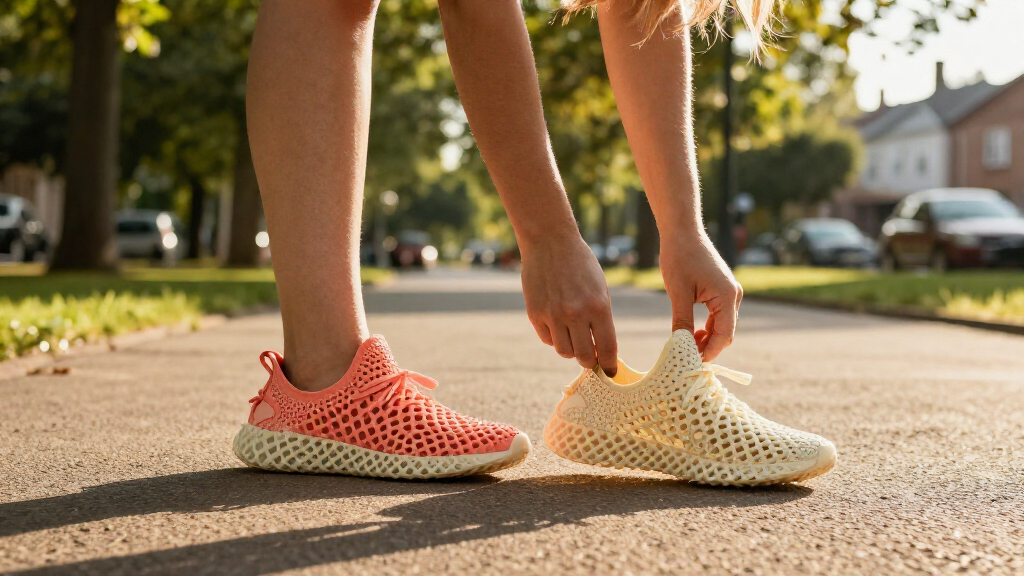
I compared the 12 listed products by intended use, coverage, construction, and likely day-to-day practicality, rather than treating every 3D-printed design as a running sneaker. I gave the highest placement to options whose stated design and shoe format make a clear case for regular wear, then separated running shoes, recovery footwear, clogs, and water styles by the buyer each one serves. I also weighed whether a product’s open lattice or slip-on format offers a useful benefit or creates a meaningful limitation.
The ranking favors clear purpose and versatility over the mere presence of a printed or 4D structure. adidas running models remain distinct picks for buyers seeking running-specific footwear, but they do not automatically outrank casual sneakers for everyday use. Recovery shoes and water styles rank lower overall because their narrower use cases make them less suitable as an all-purpose sneaker. The product names provide limited technical detail, so I avoid making unsupported claims about cushioning, durability, fit, or materials beyond what is specified.
| 3D printed sneaker | Outer material | Closure | Water resistance |
|---|---|---|---|
| ARKKY AeroDash 3D-Printed Ligh | Ethylene vinyl acetate (EVA) | Elastic | Water resistant |
| ARKKY AeroBB Men’s 3D-Printed | Ethylene vinyl acetate (EVA) | Elastic | Not water resistant |
| JOY FUTURE Unisex 3D Printed R | Thermoplastic polyurethane (TPU) | Pull-on | Described as water resistant |
| Unisex 3D-Printed Lattice Slip | — | Slip-on | Water resistant |
| Men’s 3D-Printed EVA Clogs wit | Ethylene vinyl acetate (EVA) | Pull-on | Water resistant |
| adidas 4D Run 1.0 Men’s Runnin | Rubber | — | — |
| UMEI Unisex 3D-Printed Closed- | — | Slip-on | Waterproof |
| adidas Women’s 4DFWD 2 Running | Leather | Lace-up | — |
| adidas Men’s 4D Fusio Shoes | Mesh | Lace | — |
| High-tech | Rubber | — | — |
| 3D-Printed Recovery Shoes for | Photopolymer resin | Pull-on | — |
| Unisex 3D-Printed Breathable S | Ethylene Vinyl Acetate (EVA) | Pull-on | Not water resistant |
Factors to Consider When Choosing Best 3D Printed Sneakers
Before choosing a pair, decide what job it needs to do. The products in this roundup use similar technology language but range from running shoes to recovery slides and water footwear, and that changes what a good purchase looks like.
Match the shoe to the activity
Start with your main use, not the printed construction. A running shoe needs to suit repeated forward motion and your own running needs, while a recovery shoe is designed around a more relaxed role. Water shoes and sandals prioritize a different setting than closed everyday footwear. A common mistake is buying an attractive lattice clog and expecting it to perform like a running shoe. If you need one pair for varied activities, favor a clearly sneaker-shaped option and check whether its maker specifies the activities it supports.
Choose coverage for your setting
Open lattice and slip-on designs can promote airflow and make shoes easier to put on, but they expose more of the foot than closed uppers. That may be welcome in warm weather or around water, yet less suitable where debris, weather, or workplace rules call for coverage. Closed-toe recovery slides sit between a sandal and a conventional sneaker, but the format still differs from a secure lace-up shoe. Do not assume “breathable” means protective or suitable for every surface. Think about where you will wear the pair most often, then choose coverage accordingly.
Separate 3D-printed footwear from 4D running models
Product listings may use 3D-printing language for lattice shoes and 4D branding for adidas models, but those labels alone do not tell you how a shoe will feel or perform. The adidas 4D Run 1.0 and 4DFWD 2 are presented as running shoes, while many other options here are casual, recovery, or water-oriented. Compare the intended activity, upper coverage, and fit information instead of assuming that similar technology terms imply similar use. If you are selecting footwear for training, look for clear running-specific guidance from the manufacturer. Treat a construction label as one part of the decision, not a substitute for activity fit.
Check fit and sizing before choosing a slip-on
A slip-on can be convenient, but its fit depends on how securely the opening holds your foot and whether the shape accommodates your width. Printed lattice structures may feel different from flexible knit or conventional uppers, so sizing charts and return terms matter. Check whether the product offers multiple width or size options and read the maker’s guidance on fit. Avoid sizing up automatically for comfort: extra movement can make a shoe feel unstable, especially during walking. If you need a secure fit for longer outings, a more enclosed sneaker format may be a safer starting point.
Think about cleaning, wear, and replacement
Open structures can collect dust, grit, or small debris in their spaces, while water-oriented designs may be easier to rinse after use. Cleaning needs depend on the materials and the maker’s care instructions, which are not fully specified by a product name. Before buying, check whether the shoe can be washed and how it should dry. Also look for information about sole wear and replacement options if you plan to use it frequently. A low-maintenance pair for occasional use may be a better fit than a complex design you will need to clean after every outing.
Pay for a clear benefit, not a technology claim
Higher-tech branding is only useful if it matches a real need, such as a running-specific design or a particular fit and coverage preference. For casual wear, an affordable-looking format is not automatically better value if it lacks the support or durability you need. Conversely, a specialized running model may be unnecessary for errands or recovery wear. Compare what the product actually states about intended use, materials, care, and fit before weighing its appeal. When those details are missing, choose cautiously rather than filling in the gaps with assumptions about 3D printing.
Frequently Asked Questions
Can I use a 3D-printed casual shoe for running?
Not every shoe described as 3D-printed is meant for running. In this roundup, adidas 4D Run 1.0 and 4DFWD 2 are explicitly positioned as running shoes, while most lattice, recovery, clog, and water options have different stated roles. A casual shoe may feel fine for short walks but still lack the fit or activity guidance you want for regular training. Check the manufacturer’s intended-use notes and sizing guidance before running in it. If your main activity is running, start with the running-specific models rather than choosing by appearance.
Are recovery shoes a good substitute for everyday sneakers?
They can work for relaxed, low-demand wear if that matches the product’s stated purpose, but recovery shoes are not automatically all-purpose sneakers. Their slip-on or slide formats may offer less coverage and a different level of foot hold than a conventional closed shoe. For commuting, long walks, or active use, consider whether the design feels secure and whether the maker describes it for those activities. This roundup includes several recovery styles, so compare open versus closed-toe formats as well. Choose one for everyday wear only if its fit and use guidance suit your routine.
What should I check if I have wide feet?
Look for explicit width information, a size chart, and guidance about the shape of the toe area; a lattice appearance does not guarantee a roomy fit. Slip-on shoes can be especially sensitive to width because the opening must hold the foot without pinching or excessive movement. Check the seller’s return policy before ordering if fit details are limited. Avoid assuming that a flexible-looking or open design will accommodate every foot shape. If a brand offers width options or detailed measurements, use those rather than relying on a general size label alone.
Are open lattice sneakers suitable for wet or dirty conditions?
Open designs may allow water and airflow through, but that does not automatically make them ideal for wet or dirty environments. Debris can enter the shoe, and the upper may leave more of the foot exposed than a closed water shoe. For swimming areas or wet surfaces, compare the product’s stated water use and grip information rather than relying on the printed structure. For gardening or rough ground, consider whether you need more coverage and protection. The water shoes and gardening clog in this lineup have more specific use cues than general lattice sneakers.
Should I choose an adidas 4D model or a non-adidas 3D-printed shoe?
Choose by activity and fit, not by the 3D or 4D label. The adidas 4D Run 1.0 and 4DFWD 2 are running-oriented options, while the other products include casual sneakers, recovery shoes, clogs, and water styles. If running is your priority, compare the adidas models with your fit needs and the maker’s guidance. For relaxed wear, airflow, or water use, a non-adidas option may fit your purpose more directly. The technology terms are not a reliable stand-in for comfort, durability, or suitability, so check the product details that matter to your routine.
Conclusion
For a broad everyday starting point, I recommend the ARKKY AeroDash as best overall because its lightweight lattice sneaker format is more versatile than a recovery slide or water shoe. The best value depends on your needs: choose a simple casual lattice or clog style only if its listed use and fit match your routine, since the product details here do not support a firm value comparison. For best premium, consider the adidas 4DFWD 2 or 4D Run 1.0 if you specifically want a running-focused model and their fit suits you. The best choice for beginners is the AeroDash as a straightforward casual option, while new runners should begin with a running-specific model instead. For recovery, compare JOY FUTURE and UMEI; for water use, look at the water shoes or sandals; and for gardening, the openwork clog is the most purpose-matched option. Pick by activity first, then narrow the choice by coverage, fit, and care needs.