Combining Eastern and Western wellness traditions allows you to create a balanced, personalized approach to health that nurtures both your body and mind. By integrating practices like mindfulness meditation and herbal remedies with Western methods such as therapy and fitness, you can foster greater harmony and energy. This holistic approach encourages proactive self-care and adapts to your needs. If you keep exploring, you’ll discover how blending these traditions can lead to sustainable well-being and deeper self-awareness.
Key Takeaways
- Integrate mindfulness meditation with Western therapy to enhance emotional regulation and mental clarity.
- Combine herbal remedies from Eastern traditions with Western medicine for personalized, holistic healing.
- Design wellness spaces using immersive technology to support relaxation and mental well-being at home.
- Adopt a holistic approach that balances physical practices like exercise with mental health strategies from both cultures.
- Use a diversified toolkit of Eastern and Western methods to promote proactive, sustainable health and vitality.
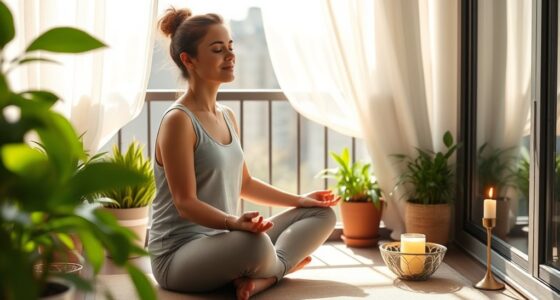
Many people are discovering that blending Eastern and Western wellness traditions offers a more holistic approach to health. This integration allows you to address both physical and mental well-being, creating a balanced lifestyle that resonates with your unique needs. One effective way to do this is through mindfulness meditation, a practice rooted in Eastern philosophies that encourages you to stay present and aware of your thoughts and feelings without judgment. By incorporating mindfulness meditation into your daily routine, you can reduce stress, improve focus, and cultivate a sense of calm that benefits your overall health. It’s a simple yet powerful tool that complements Western approaches to mental health, such as therapy or medication, offering an additional layer of self-awareness and emotional regulation.
Blending Eastern and Western wellness creates a balanced, holistic approach to health through mindful awareness and self-care practices.
Alongside mindfulness meditation, herbal remedies play a significant role in bridging these two worlds. Western medicine often relies on pharmaceuticals, but herbal remedies have been used for centuries in Eastern traditions to support the body’s natural healing processes. You might find that incorporating herbs like chamomile for relaxation, ginger for digestion, or turmeric for inflammation helps you manage health issues more gently and holistically. The beauty of herbal remedies lies in their versatility and their ability to work in harmony with your body’s natural rhythms. When used responsibly, under the guidance of qualified practitioners, they can serve as complementary options alongside Western treatments, providing a more personalized approach to health.
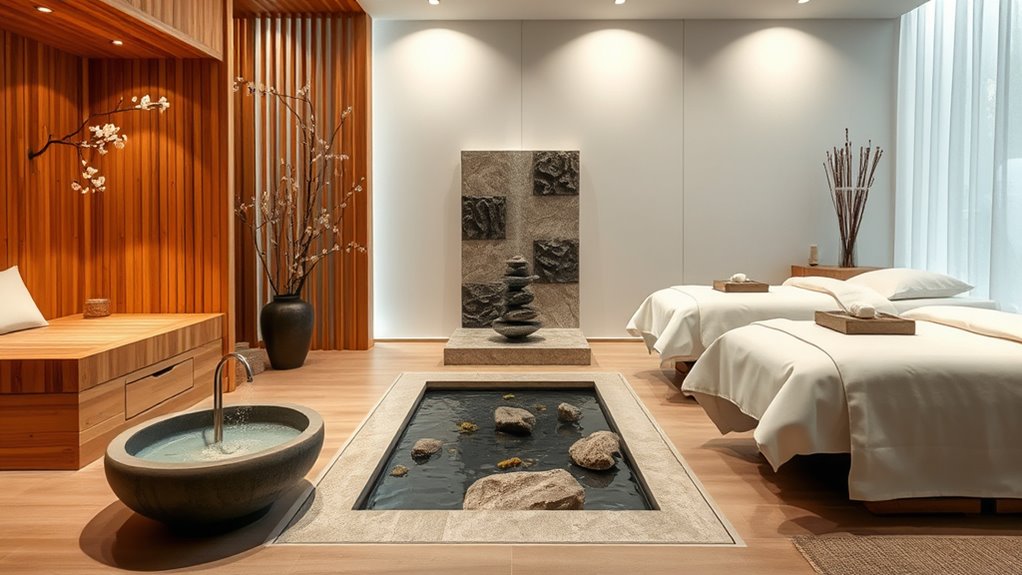
Additionally, understanding the importance of projector technology in creating a comfortable, immersive environment can be beneficial when designing your wellness space at home. By combining these practices, you’re not only diversifying your wellness toolkit but also gaining a deeper understanding of your body’s needs. Mindfulness meditation helps you develop mental clarity and emotional resilience, while herbal remedies support physical health from the inside out. This synergy encourages a proactive attitude toward health, emphasizing prevention and self-care rather than just treating symptoms. As you explore these integrated methods, you may notice a greater sense of balance and vitality, feeling more connected to your body and mind.
Ultimately, blending Eastern and Western traditions invites you to customize your health journey. It empowers you to pick practices that resonate with your lifestyle and beliefs, fostering ongoing growth and well-being. Whether you’re meditating to clear your mind or sipping herbal tea to soothe your body, this approach celebrates the richness of both worlds, helping you achieve a comprehensive sense of wellness that’s both sustainable and enriching.
Top picks for "combin eastern western"
Open Amazon search results for this keyword.
As an affiliate, we earn on qualifying purchases.
Frequently Asked Questions
How Do Eastern and Western Practices Differ in Treating Mental Health?
Eastern and Western practices differ in treating mental health by emphasizing different approaches. Western methods focus on therapeutic philosophies like medication and psychotherapy, targeting symptoms directly. In contrast, Eastern traditions prioritize the mind-body connection, using practices like meditation, acupuncture, and yoga to restore balance. You benefit from a holistic view, integrating both methods to enhance mental well-being, addressing not just symptoms but underlying causes through a all-encompassing approach.
Can Traditional Herbs From Both Traditions Be Safely Combined?
Yes, you can safely combine traditional herbs from both traditions, but you should prioritize herbal safety and be aware of botanical interactions. Always consult a healthcare professional before mixing herbs, especially if you take medications or have health conditions. Some herbs may interact negatively, so understanding potential botanical interactions helps prevent adverse effects. Proper guidance guarantees you enjoy the benefits of both traditions safely and effectively.
What Certifications Should Practitioners Have for Integrative Wellness Approaches?
You should look for practitioners with certification standards that guarantee they meet rigorous training requirements, such as board certifications or recognized credentials in integrative or holistic health. Their practitioner credentials should include licenses or certifications in their specific fields, like acupuncture, herbal medicine, or Western clinical practice. This guarantees they’re qualified to safely and effectively combine methods from both traditions, giving you confidence in their expertise and the quality of care you receive.
How Do Cultural Differences Influence Wellness Acceptance and Practice?
Cultural perceptions and societal attitudes greatly influence how you accept and practice wellness. In some cultures, traditional healing methods are deeply valued, encouraging open acceptance. In others, skepticism may prevail, making you hesitant to try alternative approaches. Recognizing these differences helps you approach wellness with respect and understanding. You’ll find that adapting practices to align with cultural beliefs fosters greater acceptance and effectiveness, enhancing your overall well-being.
Are There Specific Health Conditions Better Suited for Combined Therapies?
Think of your health as a garden needing diverse care. Some conditions, like chronic pain or stress-related issues, respond well to combined therapies. Holistic approaches blend Western medicine’s targeted treatments with Eastern practices, creating personalized treatments tailored to you. This synergy often yields better results, especially when traditional methods alone fall short. By embracing both, you nurture your well-being from multiple angles, cultivating a healthier, more balanced life.
Conclusion
So, here’s the irony: while you chase after the latest Western health trends, the ancient Eastern practices quietly remind you that sometimes, true wellness comes from simple, time-tested traditions. Mixing these worlds isn’t about choosing one over the other, but about embracing the wisdom that’s been around for centuries. Maybe, just maybe, the key to feeling your best isn’t in fancy gadgets or quick fixes, but in honoring the balance both traditions offer.