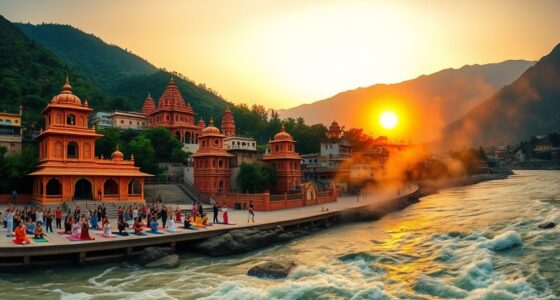
Discover the best thermal hot springs around the world known for their healing powers, such as Japan’s soothing onsens, Iceland’s Blue Lagoon, and Hungary’s thermal baths. These springs are rich in minerals like sulfur, magnesium, and silica, offering benefits for your skin, muscles, and joints. Their unique geology influences their healing properties, often intertwined with cultural traditions. Keep exploring to uncover how each location provides a natural, holistic approach to wellness and recovery.
Key Takeaways
- Mineral-rich waters with sulfur, magnesium, and silica offer targeted healing for skin, joints, and stress relief.
- Regional geology influences mineral content, ensuring unique therapeutic properties at each hot spring location.
- Cultural traditions and rituals enhance the holistic healing experience, connecting visitors to local heritage.
- Famous hot springs like Iceland’s Blue Lagoon and Japan’s onsen combine mineral benefits with cultural practices.
- Choosing springs with specific mineral compositions can optimize healing for individual health needs.
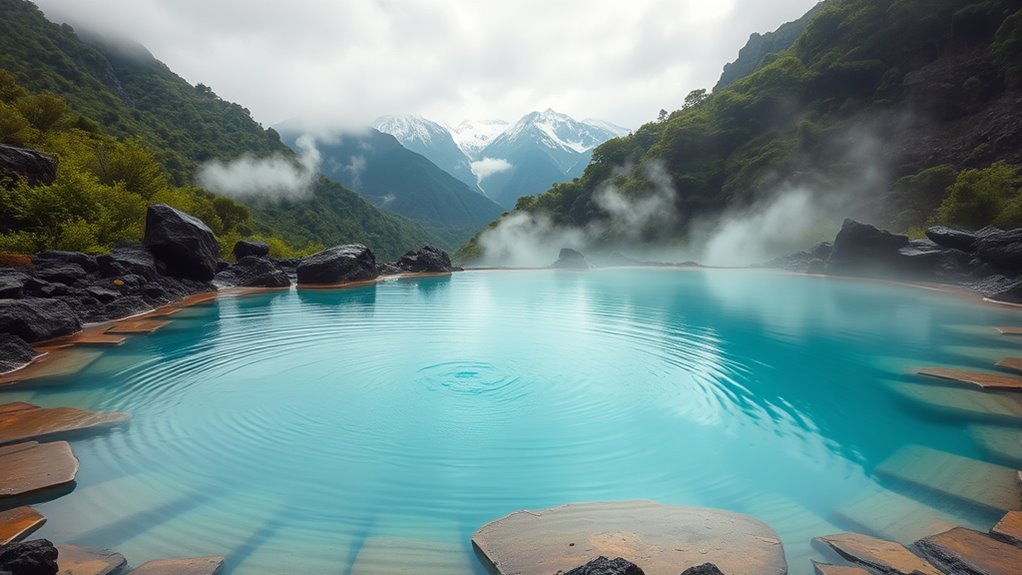
Thermal hot springs have been treasured for centuries as natural healing sources, offering more than just relaxation. When you immerse yourself in these mineral-rich waters, you’re tapping into centuries of tradition and natural medicine. The mineral composition of each hot spring plays a *vital* role in its healing properties, with elements like sulfur, magnesium, calcium, and silica contributing to benefits such as improved circulation, skin health, and pain relief. For example, sulfur-rich springs are renowned for their ability to treat skin conditions and joint issues, while magnesium helps relax muscles and reduce stress. Recognizing the mineral makeup of a hot spring can help you choose one that aligns with your health needs, making your experience both enjoyable and therapeutic. Additionally, understanding the geology of the region can reveal why certain minerals are prevalent and how they enhance the healing qualities of the waters.
Immerse in mineral-rich hot springs for natural healing—benefits vary with sulfur, magnesium, calcium, and silica content.
Beyond their physical benefits, these hot springs often hold significant cultural importance. Many have been revered for generations, woven into local traditions and spiritual practices. Visiting a hot spring isn’t just about soaking in warm water; it’s about connecting with the history and customs of the region. For instance, Japanese onsen are deeply integrated into their culture, embodying rituals of cleansing and community bonding. In Iceland, the Blue Lagoon is more than a geothermal spa—it’s a national icon symbolizing energy, sustainability, and wellness. These sites often serve as communal gathering spots, where stories, rituals, and traditions are shared, deepening your understanding of the local heritage.
As you explore different hot springs around the world, you’ll notice that their cultural significance often enhances the experience. Imagine soaking in mineral waters that have been used for healing for hundreds of years, feeling the warmth seep into your bones as local legends echo in your mind. The mineral composition of each spring not only influences its therapeutic qualities but also reflects the geology of the region, making each location unique. Locals may have specific rituals or methods of bathing that have been passed down, adding layers of meaning to your visit. Recognizing these cultural stories and understanding the mineral makeup can deepen your appreciation, turning a simple soak into a meaningful journey through history and tradition.
In essence, the combination of mineral composition and cultural significance makes each hot spring a special destination for healing. You’re not just seeking relief from physical ailments but immersing yourself in a tradition that spans generations. Whether it’s the sulfur-rich springs of Hungary or the geothermal pools in New Zealand, each offers a unique fusion of natural elements and cultural heritage, providing a truly holistic healing experience that nourishes both body and soul.
Top picks for "thermal spring around"
Open Amazon search results for this keyword.
As an affiliate, we earn on qualifying purchases.
Frequently Asked Questions
Are Thermal Hot Springs Safe for Pregnant Women?
You’re probably wondering if thermal hot springs are safe during pregnancy. Generally, pregnancy safety depends on the hot spring’s temperature and your stage of pregnancy. You should avoid very hot waters, as they can raise your body temperature too much. Always follow hot spring precautions and consult your healthcare provider before soaking, especially in high-temperature springs. It’s better to err on the side of caution to keep both you and your baby safe.
How Often Should I Visit Hot Springs for Health Benefits?
You should visit hot springs based on your personal health needs and comfort, generally aiming for 1-2 times a week. Following the frequency recommendations, you can enjoy benefits without overdoing it. Ideal visit intervals depend on your skin sensitivity and overall health, so listen to your body. If you notice discomfort or dehydration, reduce your visits. Always consult a healthcare professional if you have underlying health conditions.
Can Hot Springs Help With Skin Conditions Like Eczema?
You’ll find that hot springs can soothe skin conditions like eczema by promoting skin hydration and mineral absorption. Imagine the warm, mineral-rich waters enveloping your skin, easing irritation and dryness. The natural minerals can help reduce inflammation and improve your skin’s barrier. Regular soaks allow your body to absorb these beneficial elements, providing relief and promoting healthier skin over time. Just remember to consult your doctor for personalized advice.
Are There Any Age Restrictions for Bathing in Hot Springs?
Age restrictions for bathing in hot springs vary depending on the location, but generally, children and seniors should follow safety precautions. Young children often need supervision or may be restricted due to temperature sensitivities, while seniors should limit exposure to avoid overheating. Always check specific hot spring policies and consult with a healthcare provider if you have health concerns. Prioritizing safety precautions helps make certain a relaxing and safe experience for everyone.
What Are the Environmental Impacts of Hot Spring Tourism?
You might not realize it, but hot spring tourism can impact the environment if not managed sustainably. Increased visitor numbers can strain local ecosystems, harm delicate geothermal features, and cause pollution. To protect these natural wonders, emphasize sustainable tourism practices that prioritize ecological preservation. By supporting eco-friendly hot springs and responsible tourism, you help ensure these healing waters remain pristine for future generations while minimizing environmental damage.
Conclusion
So, why not take the plunge and experience these incredible thermal hot springs for yourself? They’ve been healing and rejuvenating people for centuries, reminding us that “health is wealth.” Whether you seek relaxation, pain relief, or spiritual renewal, these natural wonders offer more than just a soak—they provide a chance to reconnect with nature and yourself. Don’t wait; sometimes, the best medicine is just a hot spring away.