Adaptogenic supplements are herbal blends crafted to help you manage stress, boost resilience, and restore balance naturally. Ingredients like ashwagandha, Rhodiola, and holy basil work together to support your body’s response to challenges. To get the best benefits, choose products from reputable brands with clear labels and quality certifications, follow dosage guidelines, and consider your personal health needs. If you want to learn more about selecting and safely using these supplements, stay tuned for helpful tips.
Key Takeaways
- Choose high-quality adaptogenic supplements with transparent ingredient lists and third-party testing for safety and potency.
- Understand the benefits of common herbs like ashwagandha, Rhodiola, holy basil, and ginseng for stress support.
- Follow recommended dosages (e.g., ashwagandha 300-600 mg/day) to maximize effectiveness and reduce side effects.
- Consult healthcare professionals before starting, especially if you have health conditions or take medications.
- Monitor your body’s response to adjust dosage and ensure the supplement supports your individual stress resilience.

Adaptogenic supplements are natural products designed to help your body adapt to stress and restore balance. When you choose these supplements, you’ll notice that many are formulated with herbal combinations carefully selected for their supportive properties. These herbal blends often include ingredients like ashwagandha, Rhodiola rosea, holy basil, and ginseng, each working synergistically to boost your resilience against physical and mental stressors. By combining multiple herbs, supplement manufacturers aim to enhance the adaptogenic effect, providing a more thorough support system for your body. However, it’s essential to understand that not all herbal combinations are created equal. Some may be more effective or suitable for your specific needs, so researching the ingredients and their intended benefits helps in making an informed choice.
As you consider taking adaptogenic supplements, paying attention to dosage guidelines is vital. These guidelines are typically provided on the product label or by your healthcare provider, and they help guarantee you get the best benefit without risking adverse effects. For example, some adaptogens like ashwagandha might be recommended at 300-600 mg per day, while others like Rhodiola may require a lower dose, such as 200-400 mg. Following the suggested dosage guidelines prevents underdosing, which could diminish the supplement’s effectiveness, or overdosing, which might lead to side effects such as gastrointestinal upset or hormonal imbalances. It’s also important to consider that your body’s response to these herbs can vary based on factors like age, health status, and existing medications. Consulting with a healthcare professional before starting any new supplement regimen is always a wise step to tailor the dosage to your specific circumstances.
When selecting adaptogenic supplements, look for products from reputable brands that clearly list their herbal ingredients and dosage guidelines. Quality assurance certifications, such as GMP or third-party testing, can also give you confidence in the product’s safety and potency. Remember that even natural products can interact with medications or underlying health conditions, so awareness of potential interactions is key. Starting with a lower dose and gradually increasing it as tolerated can help your body adjust smoothly. Also, consider keeping track of how you feel after taking the supplement, noting any changes in stress levels, energy, or mood. This feedback can help you and your healthcare provider determine if the supplement is effective or if adjustments are necessary. Ultimately, understanding the role of herbal combinations and adhering to proper dosage guidelines empowers you to incorporate adaptogenic supplements safely and effectively into your wellness routine. Additionally, recognizing the importance of natural products encourages a holistic approach to health that aligns with your body’s needs.

Herbal Adaptogen Mood Support Supplement – Calming Adaptogens Supplement for Stress & Cortisol Management with Ashwagandha Rhodiola Rosea & Maca Root – Vegan & Daytime Friendly – 60 Count
Seize the Day – Say hello to the new you and get ready to face everyday struggles with…
As an affiliate, we earn on qualifying purchases.
As an affiliate, we earn on qualifying purchases.
Frequently Asked Questions
Are Adaptogenic Supplements Safe During Pregnancy or Breastfeeding?
During pregnancy and breastfeeding, you should consult your healthcare provider before taking adaptogenic supplements. While some may be safe, others could affect pregnancy safety or breastfeeding considerations. It’s essential to get personalized advice, as not all adaptogens are well-studied for use during these times. Always prioritize safety, and avoid self-medicating with supplements until your doctor confirms they’re appropriate for your specific situation.
How Quickly Do Adaptogenic Supplements Show Noticeable Effects?
Imagine starting an ashwagandha supplement; you might notice increased energy within a week. Typically, the effectiveness timeline varies, but you can expect the timing of results to range from a few days to several weeks, depending on your body and the specific adaptogen. Some people feel benefits quickly, while others may need 4-6 weeks for noticeable effects. Consistency is key for *best* results.
Can Adaptogenic Supplements Replace Prescribed Medication?
Adaptogenic supplements shouldn’t replace prescribed medication, as they’re considered alternative medicine and herbal remedies that support your overall wellbeing. While they can help reduce stress and boost resilience, you should always consult your healthcare provider before making any changes to your treatment plan. Relying solely on adaptogens instead of prescribed medication could be risky, so use them as complementary options rather than substitutes.
Are There Any Known Long-Term Side Effects?
You might worry about long-term safety when taking adaptogenic supplements, but research shows they rarely cause serious chronic effects. While some mild side effects could occur, these are usually temporary. Still, it’s wise to monitor your body’s response over time and consult a healthcare professional for personalized advice. Long-term safety is generally good, but staying informed helps prevent any potential issues from sneaking up on you.
How Do I Choose the Right Adaptogen for My Needs?
To select the right adaptogen for your needs, start with personalized selection based on your specific health goals and symptoms. Consider ingredient considerations like potential allergies, interactions, and the quality of the supplement. Research each adaptogen’s benefits to see which aligns with your stress levels, energy needs, or focus. Consult a healthcare professional if unsure, and always read labels to guarantee you’re choosing safe, effective options tailored to you.

Rhodiola Rosea Supplement – Rhodiola Rosea Extract, Botanical Adaptogen Supplement for Brain, Energy & Daily Stress Support, Gluten-Free, Non-GMO, Vegetarian – 60 Capsules
BEAT STRESS & STAY BALANCED – Feeling overwhelmed or mentally drained? Rhodiola Rosea supports your body’s natural stress…
As an affiliate, we earn on qualifying purchases.
As an affiliate, we earn on qualifying purchases.
Conclusion
Incorporating adaptogenic supplements into your routine can boost resilience and reduce stress, helping you feel more balanced. Some might worry about relying on supplements instead of addressing underlying issues, but these aren’t a replacement for a healthy lifestyle—they complement it. By choosing quality products and listening to your body, you can enjoy their benefits safely. So, don’t hesitate to give adaptogens a try; they could be just what you need to support your well-being.

Carlyle Holy Basil Capsules | 200 Count | Tulsi Holy Basil Leaf Extract | Herbal Supplement | Non-GMO, Gluten Free
HOLY BASIL: Sacred Indian herb with aromatic plant compounds used in ayurvedic practices
As an affiliate, we earn on qualifying purchases.
As an affiliate, we earn on qualifying purchases.
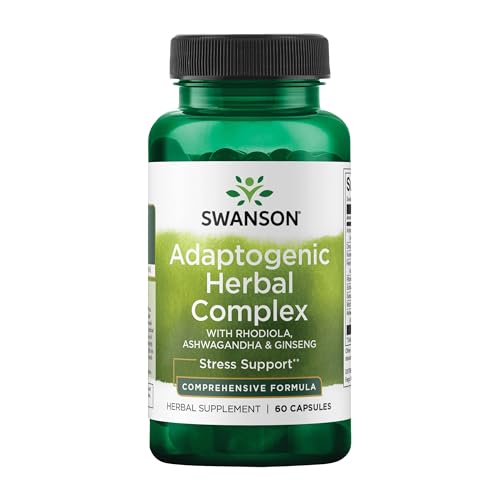
Swanson Rhodiola Ashwagandha Ginseng Complex Energy Immune Function Nervous System Stress Support Adaptogen Herb Supplement 60 Capsules
WHAT IS ASHWAGANDHA? – A favorite adaptogen and herb in the Ayurvedic tradition, ashwagandha herb has been in…
As an affiliate, we earn on qualifying purchases.
As an affiliate, we earn on qualifying purchases.