
A fiber-rich diet benefits your digestive health by promoting regular bowel movements and preventing issues like constipation and bloating. It adds bulk to your stool, supports growth of healthy gut bacteria, and helps regulate your blood sugar levels. Incorporating a variety of fruits, vegetables, grains, and legumes can make a big difference. Keep up with your fiber intake, and you’ll notice improvements in your overall gut wellness—there’s much more to discover on this topic.
Key Takeaways
- Dietary fiber promotes regular bowel movements and prevents constipation by adding bulk to stool.
- Soluble fiber helps regulate blood sugar levels and supports overall metabolic health.
- Fiber intake supports growth of beneficial gut bacteria, enhancing digestive function.
- Increasing fiber gradually with water reduces gastrointestinal discomfort like gas and cramping.
- A high-fiber diet lowers cholesterol and reduces the risk of chronic illnesses, promoting overall digestive health.

Have you ever wondered how a simple change in your diet can boost your health? Incorporating more fiber into your meals can have a profound impact on your digestive system and overall well-being. Fiber comes in different types—soluble and insoluble—and each plays a unique role in maintaining a healthy gut. Soluble fiber dissolves in water, forming a gel-like substance that helps regulate blood sugar levels and lower cholesterol. Insoluble fiber, on the other hand, adds bulk to your stool, speeding up the movement of waste through your digestive tract. By understanding the different fiber types, you can tailor your diet to support essential digestive health.
Understanding soluble and insoluble fiber helps optimize your digestive health and overall wellness.
Your dietary sources of fiber are plentiful and varied. Fruits like apples, pears, and berries are rich in soluble fiber, which can help stabilize your blood sugar and keep you feeling full longer. Vegetables such as carrots, broccoli, and Brussels sprouts provide both fiber types, contributing to a balanced intake. Whole grains like oats, brown rice, and whole wheat bread are excellent sources of insoluble fiber, aiding in regular bowel movements. Legumes, including beans, lentils, and chickpeas, offer a potent combination of both soluble and insoluble fibers, making them a versatile addition to your meals. Nuts and seeds, like chia and flaxseeds, are also high in fiber and can be easily incorporated into your diet through smoothies, yogurt, or salads.
Making these dietary sources a regular part of your meals can greatly improve your digestive health. Fiber adds bulk to your stool, preventing constipation and promoting regularity. It also supports the growth of beneficial gut bacteria, which play a vital role in digestion, immune function, and even mental health. As you increase your fiber intake, you’ll notice improvements in bloating and discomfort, along with a more consistent bowel routine. Keep in mind that increasing fiber gradually is key to avoiding gas or cramping; drink plenty of water to help fiber do its job effectively. Additionally, understanding spoiled lemon juice signs can help you avoid consuming spoiled foods that may harm your gut health.
Incorporating a variety of fiber-rich foods not only benefits your digestive system but also contributes to your overall health. It can help you maintain a healthy weight, lower cholesterol, and reduce the risk of chronic diseases like type 2 diabetes. So, start exploring different dietary sources of fiber today—your gut will thank you. With a conscious effort to include both soluble and insoluble fiber in your diet, you’ll build a stronger, healthier digestive system that supports your lifestyle and well-being.

Totaria 9-in-1 Probiotic Fiber Gummies for Adults & Teens 16G Fiber per Serving, Psyllium Fiber Supplement with 5 Billion CFU Bacillus Coagulans, Inulin, ACV for Digestive & Gut Wellness – 60 Gummies
HIGH STRENGH FIBER: Totally 16 g Fiber per Serving, Totaria Fiber Supplement for men and women. Experience the…
As an affiliate, we earn on qualifying purchases.
As an affiliate, we earn on qualifying purchases.
Frequently Asked Questions
Can Fiber Intake Cause Weight Gain?
Fiber intake generally doesn’t cause weight gain; in fact, it can aid weight regulation. Fiber slows down digestion and helps you feel full longer, reducing overeating. Since fiber absorption is minimal, it doesn’t add extra calories. Instead, it supports a healthy digestion process, helping you maintain a balanced weight. Just be mindful of high-calorie fiber-rich foods, but overall, fiber helps you control your weight effectively.
How Does Fiber Affect Blood Sugar Levels?
Think of fiber as a gentle gatekeeper for your blood sugar levels. It slows down fiber absorption, giving your body time to process sugars steadily. This regulation helps prevent spikes and crashes, keeping your energy balanced. When you include plenty of fiber in your diet, you’re actively supporting blood sugar regulation, making it easier to manage your glucose and maintain overall health.
Are There Risks for People With Digestive Disorders?
If you have digestive disorders, a fiber-rich diet might pose risks like fiber intolerance, causing bloating or discomfort. You should also watch for medication interactions, as fiber can affect how your medications are absorbed or processed. It’s best to consult your healthcare provider before making significant dietary changes, especially if you experience symptoms. They can recommend tailored fiber intake levels and help manage any potential risks effectively.
What Are the Best Fiber Sources for Vegans?
Think of your diet as a garden, and the best fiber sources are the vibrant flowers you choose to nurture. As a vegan, include plenty of whole grains like oats and brown rice, along with plant-based proteins such as beans, lentils, and chia seeds. These foods are rich in fiber, supporting digestion and overall health. Incorporating a variety keeps your gut happy and your diet colorful!
How Quickly Does Fiber Improve Digestive Health?
You’ll notice improvements in your digestive health within a few days to a week as fiber fermentation boosts your gut microbiota. The increased fiber intake feeds beneficial bacteria, promoting better digestion and regularity. While some people feel quicker relief, consistent consumption is key for long-term benefits. Keep adding diverse fiber sources to support your gut microbiota, and you’ll likely experience ongoing improvements in your digestive system.
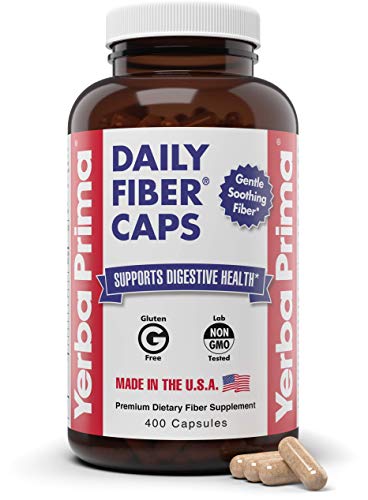
Yerba Prima Daily Fiber Caps Formula, 400 Capsules – Both Soluble and Insoluble – with Psyllium Seed Husks, Acacia Gum, Apple Fiber and More – Dietary Supplement
ARE YOU GETTING ENOUGH FIBER? Health authorities recommend 25 to 40 grams of daily fiber for good health….
As an affiliate, we earn on qualifying purchases.
As an affiliate, we earn on qualifying purchases.
Conclusion
Embracing a fiber-rich diet gently guides your digestive system toward harmony, allowing it to flourish quietly behind the scenes. As you nurture this subtle balance, you may find your well-being steadily improving without the need for grand changes or sudden shifts. Sometimes, the most profound benefits come from simple, consistent choices. Trust in these small, steady steps, and you’ll discover a smoother journey to feeling your best, one mindful bite at a time.

Core Kitchen Nested Wheat Fiber Food Storage Set – 8-Piece BPA-Free Containers with Lids – Eco-Friendly, Stackable, Microwave & Freezer Safe
ECO-FRIENDLY WHEAT FIBER MATERIAL: Made with wheat fiber, an eco-conscious alternative to traditional plastics, offering durability while reducing…
As an affiliate, we earn on qualifying purchases.
As an affiliate, we earn on qualifying purchases.

Benefiber Daily Prebiotic GLP-1 Friendly Fiber Supplement Powder for Digestive Health, Unflavored – 250 Teaspoons (17.6 Ounces)
WHAT'S INCLUDED: One 17.6-ounce bottle of unflavored Benefiber Daily Prebiotic Fiber Supplement Powder for Digestive Health (1)
As an affiliate, we earn on qualifying purchases.
As an affiliate, we earn on qualifying purchases.