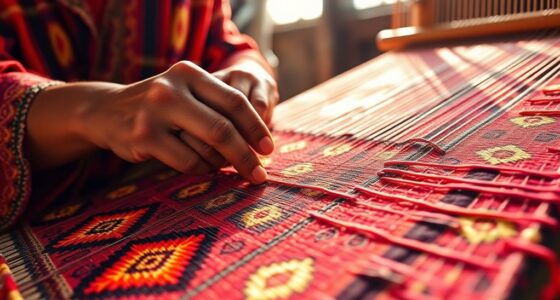
The evolution of slow fashion worldwide highlights a shift toward sustainable materials like organic cotton and recycled fabrics, alongside ethical manufacturing that guarantees fair wages and safe conditions. Different regions emphasize their cultural heritage, from European craftsmanship to African artisans’ indigenous techniques, enriching the movement’s diversity. Your choices as a consumer can promote environmentally friendly practices and fair labor, helping to shape a more responsible industry. Keep exploring to discover how these global perspectives can inspire your fashion journey.
Key Takeaways
- European brands emphasize craftsmanship, heritage techniques, and high-quality materials in slow fashion evolution.
- Asian slow fashion focuses on traditional textiles, community-based production, and sustainable practices.
- African and Latin American artisans incorporate indigenous materials, techniques, and cultural narratives into their designs.
- Local initiatives worldwide prioritize eco-friendly fabrics and fair labor conditions to promote ethical fashion growth.
- Global perspectives highlight diverse cultural influences shaping the sustainable and ethical development of slow fashion.
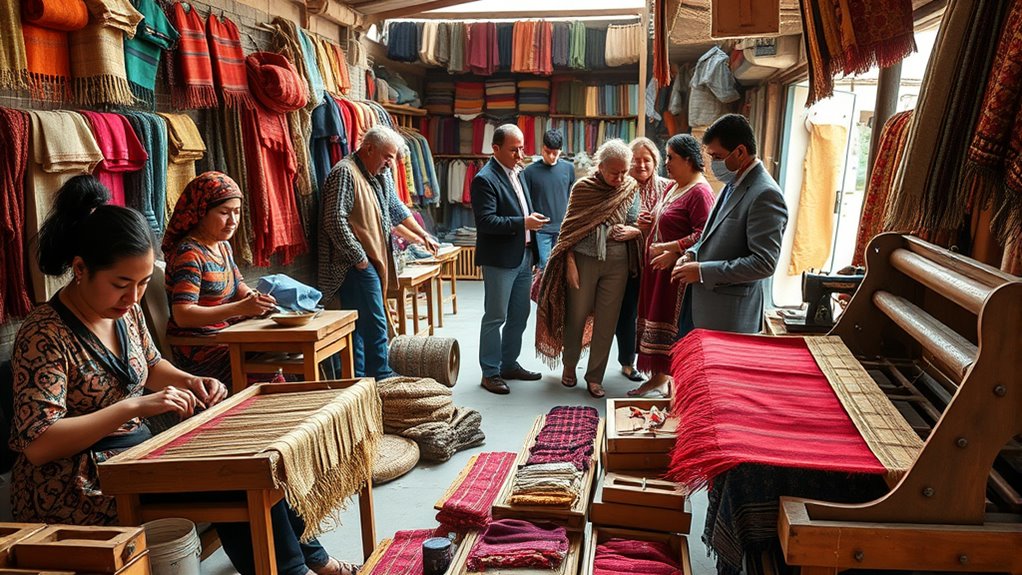
In recent years, slow fashion has gained momentum as a mindful alternative to fast-paced trends. You’re encouraged to think beyond fleeting styles and focus on creating a wardrobe that’s both meaningful and responsible. Central to this movement are sustainable materials—think organic cotton, hemp, Tencel, and recycled fabrics—that reduce environmental impact and promote ecological balance. When you opt for clothing made from these materials, you’re making a conscious choice to lower pollution and conserve resources, instead of supporting industries that rely on harmful practices. The emphasis on sustainable materials guarantees that your wardrobe isn’t just stylish but also aligned with eco-friendly values.
Choosing sustainable fabrics like organic cotton and recycled textiles supports eco-friendly fashion and reduces environmental impact.
Alongside choosing eco-conscious fabrics, ethical manufacturing plays a vital role in slow fashion’s evolution. Ethical manufacturing involves transparent supply chains, fair wages, and safe working conditions for everyone involved in producing your clothes. When you buy from brands that prioritize ethical manufacturing, you’re actively supporting workers’ rights and social justice. This means your clothing has a story—crafted with care, respect, and responsibility—rather than being mass-produced in exploitative environments. By making these choices, you’re participating in a shift toward a more humane and sustainable industry that values people as much as the planet. Additionally, studies show that vetted manufacturers adhere to higher standards, ensuring quality and ethical integrity in every piece.
The global perspective of slow fashion reveals diverse approaches rooted in local cultures and resources. In Europe, you might find brands emphasizing craftsmanship and heritage techniques, emphasizing quality over quantity. Meanwhile, in Asia, there’s a focus on traditional textiles and community-based production, which preserve cultural identities while promoting sustainable practices. In Africa and Latin America, artisans often incorporate indigenous materials and methods, creating unique pieces that tell stories of their origins. No matter where you are, embracing slow fashion means supporting these local initiatives, which tend to prioritize sustainable materials and ethical manufacturing processes. This global diversity enriches your wardrobe, giving you access to authentic, well-made items that reflect their cultural roots.
As you navigate the slow fashion landscape, remember that your choices have ripple effects. Supporting brands that prioritize sustainable materials and ethical manufacturing not only helps reduce environmental harm but also fosters fair labor practices worldwide. Your commitment to quality over quantity means investing in pieces designed to last, encouraging a shift away from disposable fashion. This evolution isn’t just about individual style; it’s about contributing to a more sustainable and equitable industry on a global scale. By making informed decisions, you become part of a movement that values the planet, people, and timeless craftsmanship, shaping the future of fashion for generations to come.
Frequently Asked Questions
How Has Slow Fashion Impacted Local Economies Globally?
You see that slow fashion boosts local economies by emphasizing craftsmanship preservation and artisan empowerment. When you support local artisans, you help sustain traditional skills and create fair job opportunities. This approach encourages communities to thrive economically, reduces reliance on mass-produced goods, and fosters unique cultural identities. By choosing slow fashion, you contribute to a more sustainable, resilient economy that values quality and heritage over fast consumption.
What Cultural Influences Shape Slow Fashion Trends Worldwide?
You’ll notice that cultural symbolism deeply influences slow fashion worldwide, with 65% of consumers valuing traditional craftsmanship. These trends are shaped by local customs, histories, and artistry, blending cultural identity into clothing. Traditional craftsmanship preserves age-old techniques, fostering authenticity. By embracing these influences, slow fashion promotes cultural preservation and sustainable practices, allowing you to connect more meaningfully with each piece while supporting artisans and their unique heritage.
How Do Different Countries Define and Measure Slow Fashion?
You’ll find that different countries define and measure slow fashion through their unique cultural definitions and measurement standards. In some places, slow fashion emphasizes local craftsmanship and sustainability, while others focus on ethical labor practices and eco-friendly materials. You should consider these cultural nuances, as they shape how slow fashion’s success is assessed—whether by environmental impact, craftsmanship quality, or social responsibility—highlighting diverse perspectives worldwide.
What Role Does Technology Play in Advancing Slow Fashion Practices?
Technology revolutionizes slow fashion more than you can imagine, turning dreams into reality. You leverage sustainable innovations like eco-friendly materials and digital craftsmanship tools to create timeless pieces with precision. These advancements enable small brands to compete globally, reduce waste, and improve transparency. By embracing technology, you become part of a movement that promotes mindful consumption, ensuring your fashion choices positively impact the planet while maintaining quality and craftsmanship.
How Is Slow Fashion Adapting to Fast-Paced Consumer Markets Globally?
You can see slow fashion adapting to fast-paced markets through sustainable innovation and increased consumer awareness. Brands now focus on high-quality, durable products and transparent supply chains to meet demand for ethical choices. As consumers become more aware of environmental impacts, they’re willing to invest in timeless pieces, encouraging brands to prioritize sustainability over quick turnover. This shift fosters a balance between consumer needs and responsible fashion practices, driving slow fashion forward globally.
Conclusion
As you embrace slow fashion, you’re planting seeds for a more sustainable future, watching them grow into a resilient forest. Every mindful purchase and conscious choice helps shape a world where fashion blooms with purpose and integrity. Remember, you’re not just a consumer—you’re a gardener nurturing change. By staying committed to this journey, you’ll help weave a vibrant tapestry of global sustainability that gets stronger with each passing day.