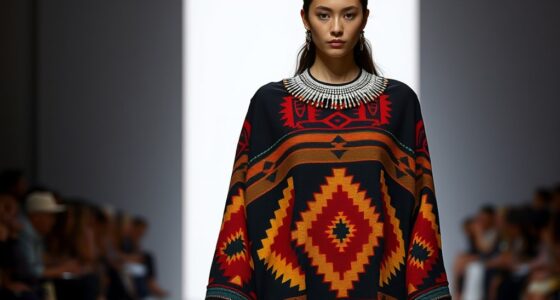
African wax prints are vibrant textiles with deep cultural roots, created through traditional wax-resist dyeing techniques that produce intricate patterns and symbolic motifs. These fabrics reflect stories, social status, and ancestral beliefs, making them more than just fashion—they’re cultural expressions. Over time, craftsmanship and designs have evolved, influencing global fashion trends while preserving their cultural significance. If you continue exploring, you’ll discover how these textiles continue to shape contemporary style and identity worldwide.
Key Takeaways
- African wax prints originate from traditional wax-resist dyeing techniques, blending cultural symbolism with craftsmanship.
- Their vibrant patterns and motifs convey social status, history, and spiritual beliefs within African communities.
- The designs have evolved from local origins, incorporating modern influences while preserving cultural narratives.
- Wax prints significantly impact global fashion, symbolizing cultural identity and storytelling through vibrant textiles.
- Their intricate craftsmanship and symbolism deepen appreciation, making them a powerful cultural and artistic expression.

Have you ever wondered what makes African wax prints so vibrant and distinctive? The answer lies in a rich blend of cultural symbolism and intricate manufacturing techniques that have been passed down through generations. These fabrics are more than just colorful textiles; they serve as visual stories, carrying meanings rooted in tradition, history, and social identity. Each pattern, color, and motif has a specific significance, reflecting everything from ancestral beliefs to societal status. For example, certain prints symbolize fertility, unity, or spiritual protection, making them an essential part of ceremonies and everyday life. When you wear or see these fabrics, you’re engaging with a language that transcends words, connecting communities through shared symbolism.
The manufacturing techniques behind African wax prints play a pivotal role in their unique appearance. Unlike plain fabrics, these prints are created through a painstaking process that involves wax-resist dyeing, also known as batik. You start with a white cotton fabric, which is carefully coated with hot wax in the desired pattern. Then, the fabric is dipped into a dye bath, and the wax prevents the dye from penetrating the waxed areas. Repeating this process with different colors allows artisans to produce complex, multicolored designs. Once the dyeing is complete, the wax is removed, revealing sharp, vivid motifs that stand out against the background fabric. The precision required in this process guarantees each piece is a work of craftsmanship, with patterns that are often symmetrical and detailed. Additionally, the cultural symbolism embedded in the motifs further enhances their significance and appeal.
This technique, combined with the cultural symbolism embedded in each design, gives African wax prints their signature look. It’s a process that demands skill, patience, and an understanding of the cultural narratives behind the motifs. The manufacturing methods have evolved over time, blending traditional craftsmanship with modern technology, but the core principles remain rooted in history. When you see a wax print, you’re witnessing a product of generations of artisans who use their skills to preserve cultural identity. These fabrics are more than fashion statements—they’re cultural artifacts, embodying stories, beliefs, and history in every stitch and color. By understanding the cultural symbolism and manufacturing techniques, you gain a deeper appreciation for why African wax prints continue to captivate and influence fashion worldwide.
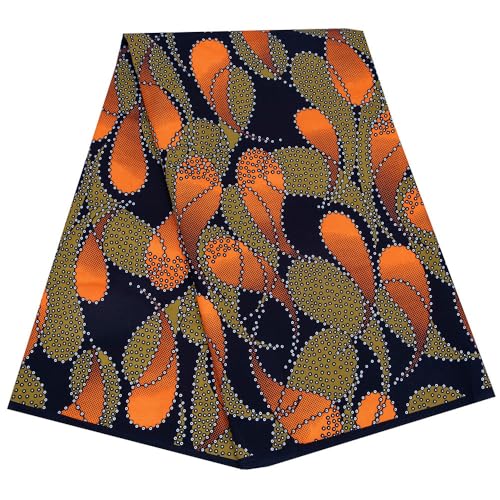
6yard African Ankara Wax Printing Fabric Used for Party Clothing Craft DIY Sewing Textiles Polyester Nigeria (Brown)
MATERIAL: Premium quality polyester wax print fabric with vibrant African Ankara patterns perfect for traditional and modern fashion…
As an affiliate, we earn on qualifying purchases.
As an affiliate, we earn on qualifying purchases.
Frequently Asked Questions
How Are African Wax Prints Manufactured and Dyed?
You start by preparing the fabric, then apply wax resist methods to create intricate designs. The fabric is dipped into fabric dyeing techniques, often using vibrant dyes that penetrate the un-waxed areas. Once dyed, the wax is removed, revealing the colorful pattern. This process allows you to produce the distinctive bold patterns and vibrant colors characteristic of African wax prints, combining traditional techniques with modern dyeing methods for stunning results.
What Are the Cultural Meanings Behind Specific Wax Print Patterns?
You’ll find that specific wax print patterns carry rich symbolic meanings and regional symbolism. For example, certain motifs represent love, fertility, or social status, while others reflect local proverbs or historical events. When you wear these prints, you express cultural identity and communicate messages understood within your community. Recognizing these patterns helps you appreciate their significance beyond fashion, deepening your connection to the cultural stories they tell.
How Have African Wax Prints Influenced Global Fashion Trends?
You might notice how African wax prints unexpectedly influence global fashion trends through cultural symbolism and fashion innovation. Their vibrant patterns inspire designers worldwide, blending traditional motifs with modern styles. This coincidence sparks a cross-cultural exchange, making wax prints a symbol of diversity and creativity. As a result, you see them in runway shows, streetwear, and accessories, showcasing how these prints shape contemporary fashion with rich cultural narratives.
Are African Wax Prints Sustainable and Environmentally Friendly?
African wax prints can be eco-friendly if you choose those made with eco-friendly dyes and sustainable production practices. Look for brands committed to reducing environmental impact by using organic or low-impact dyes, and ensuring fair labor conditions. While traditional methods may not always be sustainable, many manufacturers now prioritize eco-conscious processes, making it possible for you to enjoy vibrant prints responsibly and support sustainable fashion choices.
How Do Different African Regions Customize Wax Print Designs?
You see how different African regions customize wax print designs by embracing regional motifs and color symbolism. In West Africa, bold patterns and vibrant colors express cultural stories, while East Africa favors intricate geometric shapes and earthy hues. Central Africa might highlight symbolic motifs reflecting local beliefs, and Southern Africa blends traditional symbols with contemporary styles. These regional touches make each wax print uniquely representative of its cultural identity and heritage.

AMACO Jar Wax Resist 16 FL Oz (472ml)
Apply to bisque to "resist" application of glaze and slip
As an affiliate, we earn on qualifying purchases.
As an affiliate, we earn on qualifying purchases.
Conclusion
You simply can’t ignore how African wax prints have revolutionized fashion worldwide. These vibrant fabrics don’t just adorn clothing; they ignite a cultural firestorm that’s impossible to contain. Every fold, every pattern, screams history, identity, and boldness. By wearing them, you’re not just dressed—you’re making a statement that echoes through time and space. Get ready to turn heads and shake the very foundation of style with these extraordinary, world-changing prints!

Tatuo 12 Pieces African Fabric Fat Quarters African Ankara Wax Print Fabric for Sewing, Face Covering Make, Craft Projects and Patch Work DIY(50 x 40 cm/ 19.5 x 15.7 Inches)
12 Ethnic print fabric: when you completed some interesting or practical crafts with our African fat quarters, you…
As an affiliate, we earn on qualifying purchases.
As an affiliate, we earn on qualifying purchases.
traditional wax print garments
As an affiliate, we earn on qualifying purchases.
As an affiliate, we earn on qualifying purchases.