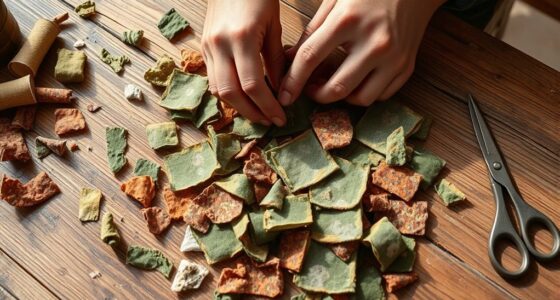
To make natural dye from avocado pits and skins, start by chopping them into small pieces and simmering in water for about an hour to extract the color. Strain the liquid to remove solids, then soak your natural fiber fabric in the dye bath, adjusting soaking time for lighter or darker shades. Adding mordants like alum or iron can create different hues and improve color fastness. Keep experimenting to achieve the perfect tone—there’s more to discover as you continue.

Get beauty and skincare favorites delivered free — and shop member deals
- Fast, free delivery on millions of items
- Access to Prime Big Deal Days deals on October 6–7
- Prime Video, Amazon Music and more included
Key Takeaways
- Chop and soak avocado pits and skins overnight or directly simmer to extract vibrant dye.
- Simmer the plant material in water for about an hour, then strain to obtain the dye bath.
- Use natural fibers like cotton, silk, or wool for best dye absorption and vivid colors.
- Add mordants such as alum or iron to alter hues and improve color fastness.
- Dip fabric multiple times or experiment with different mordants for layered, varied shades.

If you’re looking for an eco-friendly way to add vibrant color to your fabrics, natural dye from avocados offers an appealing option. Using avocado pits and skins for dyeing aligns with sustainable practices and allows you to create beautiful, earthy hues without harmful chemicals. To begin, you’ll want to gather ripe avocados, saving both the pits and skins. The key to successful dyeing lies in understanding different dyeing techniques that maximize the color extraction while maintaining eco-consciousness.
Start by preparing your fabric. Natural fibers like cotton, silk, or wool absorb dye best, so choose these for more vibrant results. Before dyeing, wash your fabric thoroughly to remove any finishes or residues that could interfere with dye uptake. This step guarantees more even and intense coloring, especially when working with plant-based dyes. Once your fabric is ready, you can proceed with the dyeing process.
To extract dye from avocado pits and skins, you’ll need to chop them into smaller pieces and simmer them in water. The simmering process, which typically lasts about an hour, helps release the pigments embedded in the plant material. For a more concentrated dye, you can increase the simmering time or use a larger amount of avocado material relative to the fabric. Some artisans prefer to soak the avocado parts overnight before simmering to intensify the dye. After simmering, strain the liquid to remove any solids and reserve the dye bath. You might also add mordants like alum or iron to alter the hue or improve color fastness, which is a vital aspect of sustainable dyeing practices.
Dyeing techniques can vary depending on your desired results. For a more muted tone, you can dip the fabric briefly into the dye bath. For richer, deeper colors, leave the fabric submerged longer, sometimes up to an hour or more. You can also experiment with multiple dips or layering different mordants to achieve a spectrum of shades. Keep in mind that natural dyes tend to be less predictable than synthetic ones, so patience and experimentation are part of the process. Cooling the fabric slowly and allowing it to dry in the shade helps preserve the color and guarantees longevity.
Layer multiple dips and mordants for richer, more complex avocado dye shades.
Throughout this process, you’re practicing sustainable methods by using biodegradable materials and reducing reliance on synthetic dyes. This approach not only reduces environmental impact but also connects you more deeply with traditional dyeing techniques. By refining your dyeing techniques and sticking to eco-friendly practices, you can craft vibrant, natural textiles that are as sustainable as they are beautiful.
natural fabric dye from avocado pits
As an affiliate, we earn on qualifying purchases.
As an affiliate, we earn on qualifying purchases.
Frequently Asked Questions
How Long Does Natural Avocado Dye Last on Fabrics?
Your natural avocado dye typically lasts around 1 to 2 years on fabrics, depending on how well you look after it. To maximize dye longevity and guarantee color preservation, wash your dyed fabric gently and avoid harsh detergents. Keep it out of direct sunlight when possible, as UV exposure can fade the color over time. Proper care will help your avocado dye stay vibrant and beautiful longer.
Can Avocado Dye Be Used on Synthetic Materials?
You can use avocado dye on synthetic materials, but their compatibility can be limited. Synthetic fabrics often don’t absorb natural dyes as well as natural fibers do, so you might need to employ dye fixation techniques like heat setting or mordants to improve color adherence. Keep in mind that the results may vary, and some dyes may not be as vibrant or long-lasting on synthetic fabrics compared to natural ones.
What Are the Environmental Benefits of Using Avocado Dye?
Using avocado dye offers significant environmental benefits by promoting eco-friendly alternatives to synthetic dyes. It reduces chemical runoff and water pollution, supporting sustainable textile practices. By choosing natural dyes like avocado, you help lower the carbon footprint associated with dye production and waste. This approach encourages more environmentally conscious choices, preserving ecosystems and reducing reliance on harmful chemicals, making your textile projects more sustainable and eco-friendly.
Are There Any Safety Concerns When Handling Avocado Dye?
You should be aware of handling precautions when working with avocado dye, as it can cause skin irritation or allergic reactions. Wear gloves and work in a well-ventilated area to stay safe. Also, keep in mind that the dye may have limited color stability over time, so proper fixation is vital to maintain vibrant results. Taking these precautions ensures a safe process and beautiful, lasting colors in your projects.
How Do Different Avocado Varieties Affect Dye Colors?
Different avocado varieties can influence your dye colors because of avocado skin pigmentation and variety differences. You might notice that some varieties produce softer, pinkish hues, while others yield deeper, more vibrant shades. The pigmentation variation affects how the dye interacts with fabric. By experimenting with different avocado types, you can achieve a range of beautiful, natural colors, making your dyeing projects more unique and personalized.
eco-friendly mordant alum for fabric dyeing
As an affiliate, we earn on qualifying purchases.
As an affiliate, we earn on qualifying purchases.
Conclusion
Now that you’ve learned how to make natural dye from avocado pits and skins, you can transform ordinary fabrics into vibrant, eco-friendly masterpieces. Just like a Renaissance artist blending pigments, you hold the power to create beautiful colors with simple ingredients. Imagine your wardrobe as a canvas, waiting to be painted with nature’s own palette. So, go ahead—dye your world naturally, and let your creativity shine brighter than a knight’s armor in a sunlit meadow.
wool silk cotton natural dye kit
As an affiliate, we earn on qualifying purchases.
As an affiliate, we earn on qualifying purchases.
natural dyeing supplies for fabric
As an affiliate, we earn on qualifying purchases.
As an affiliate, we earn on qualifying purchases.
Fall Picks
fall essentials
As an affiliate, we earn on qualifying purchases.