To create a DIY herbal hair rinse, start by steeping your chosen herbs like rosemary, chamomile, or lavender in boiling water for about 20 minutes, then strain and let it cool. Mix the herbal infusion with a diluted apple cider vinegar solution—using 1 part vinegar to 3 or 4 parts water depending on your hair type. After shampooing, pour the rinse over your hair and scalp, massage gently, then rinse with cool water for a natural shine and scalp balance. If you keep going, you’ll discover tips to customize your own perfect blend.
Key Takeaways
- Prepare an herbal infusion by steeping herbs like rosemary, chamomile, or lavender in boiling water for 20 minutes, then strain and cool.
- Mix the cooled herbal infusion with a diluted apple cider vinegar solution (1 part vinegar to 3-4 parts water).
- Shampoo hair thoroughly before applying the herbal vinegar rinse evenly over scalp and hair.
- Massage gently to stimulate circulation and leave the rinse on for a few minutes before rinsing with cool water.
- Use the herbal hair rinse once or twice weekly to enhance shine, reduce frizz, and promote scalp health naturally.
Ever wondered how to boost your hair’s shine and strength naturally? If you’re seeking a simple yet effective way to improve your hair health, a DIY herbal hair rinse using apple cider vinegar and herbs is a fantastic choice. This natural hair care method leverages the power of herbal remedies to restore your hair’s luster, balance scalp pH, and combat buildup without harsh chemicals. It’s easy to prepare and customize, making it perfect for regular use.
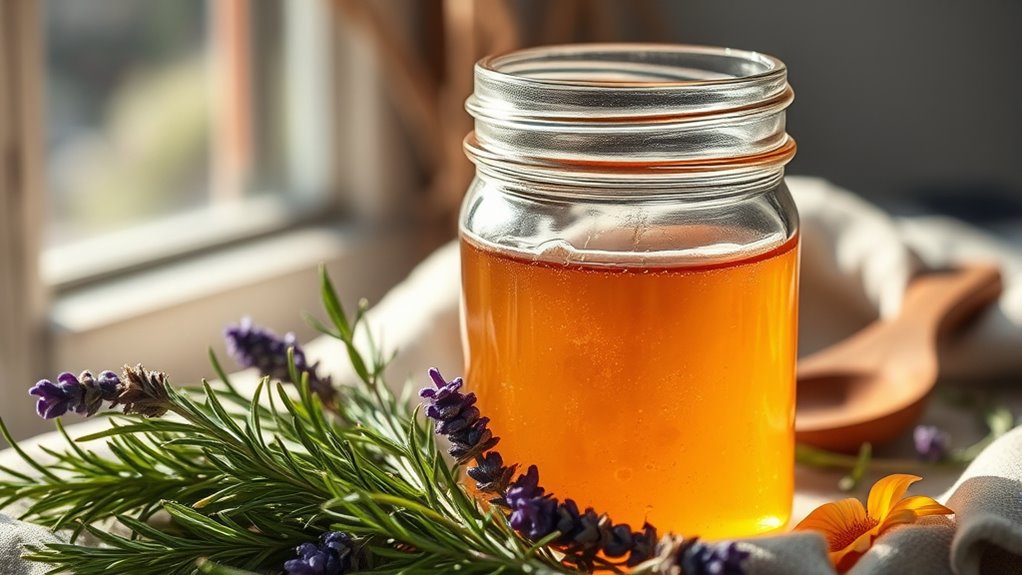
To start, you’ll need apple cider vinegar, which acts as a natural clarifier and pH balancer. When diluted properly, it helps remove residue from styling products, excess oil, and dead skin cells, leaving your scalp clean and refreshed. The vinegar’s acidity also smooths the hair cuticle, enhancing shine and reducing frizz. The key is to use raw, unfiltered apple cider vinegar with the “mother” for maximum benefits. Combine one part vinegar with three or four parts water—adjust the ratio depending on your hair type and sensitivity—then add your chosen herbs.
Herbal remedies are the heart of this rinse. Popular options include rosemary, chamomile, lavender, and tea tree, each offering unique benefits. Rosemary, for example, stimulates scalp circulation, promoting healthy growth, while chamomile adds a natural shine and soothes sensitive scalps. Lavender has antimicrobial properties that can help with dandruff, and tea tree oil fights scalp infections. To prepare your herbal infusion, steep a handful of fresh or dried herbs in boiling water for about 20 minutes. Strain the mixture thoroughly to remove loose herbs, then let it cool to room temperature. Once cooled, mix it with your diluted apple cider vinegar. This creates a potent herbal rinse that combines the clarifying power of vinegar with the nourishing qualities of herbs.
Using this rinse is straightforward. After shampooing, pour the mixture over your hair and scalp, making sure to distribute it evenly. Massage gently to stimulate circulation and allow the herbal remedies to penetrate. Leave it on for a few minutes to let the active ingredients work their magic. Then, rinse with cool water to seal the hair cuticle and lock in shine. Regular use—once or twice a week—can lead to noticeable improvements in hair texture, strength, and overall health. Over time, you’ll notice your hair becoming softer, shinier, and more resilient, thanks to the natural ingredients working in harmony. Incorporating hair care routines that include natural remedies can contribute to improved scalp health and hair vitality.
This herbal hair rinse is a natural hair care solution that combines the best of herbal remedies and everyday ingredients. It’s affordable, customizable, and free of synthetic chemicals, making it an ideal addition to your hair care routine. With consistency, you’ll enjoy healthier, more vibrant hair that feels as good as it looks, all while harnessing the power of nature.
Top picks for "herbal hair rinse"
Open Amazon search results for this keyword.
As an affiliate, we earn on qualifying purchases.
Frequently Asked Questions
Can I Use This Rinse on Colored or Chemically Treated Hair?
Yes, you can use this herbal hair rinse on color-treated hair, but you should be cautious. Apple cider vinegar can help balance your scalp’s pH, but some herbs may affect your hair color or chemistry. Always do a patch test first to check herbal compatibility with your treated hair. Use the rinse sparingly, and consult your stylist if you’re unsure, to prevent any color fading or damage.
How Often Should I Apply the Herbal Hair Rinse?
You should apply the herbal hair rinse about once a week, following the recommended application frequency. This frequency helps balance scalp health without over-drying or damaging your hair. If your hair is sensitive or chemically treated, consider using it less often, perhaps every two weeks. Always observe how your hair responds and adjust your frequency guidelines accordingly to maintain ideal scalp and hair health.
Are There Any Herbs That Should Be Avoided for Sensitive Scalps?
You should avoid herbs that are common herbal allergens if you have scalp sensitivities. Herbs like chamomile, yarrow, or lavender might cause irritation or allergic reactions. Always do a patch test before applying any new herbal rinse to your scalp. If you notice redness, itching, or burning, discontinue use immediately. Choosing gentle, hypoallergenic herbs reduces the risk of irritation and helps keep your scalp healthy and comfortable.
Does the Rinse Work for All Hair Types and Textures?
You might wonder if this rinse suits all hair types and textures. It generally works well, but hair texture compatibility varies—curly, straight, fine, or thick hair can respond differently. For sensitive scalps, consider scalp sensitivity considerations and test the rinse on a small area first. Adjust the dilution or ingredients if needed, ensuring you’re gentle to your scalp and hair, making the rinse effective and suitable for your unique hair needs.
Can I Store Leftover Herbal Rinse for Future Use?
Yes, you can store leftover herbal rinse for future use. To guarantee proper herbal preservation, transfer it to a clean, airtight container and keep it in the refrigerator. Storage tips like labeling the container with the date help you keep track of freshness. Use the rinse within a week or two to maintain its effectiveness. Always smell and inspect it before use to ensure it hasn’t spoiled.
Conclusion
Now that you’ve brewed your herbal rinse, remember it’s both simple and powerful. Like nature’s gentle whisper, it soothes your scalp, yet it’s potent enough to revive dull hair. This DIY remedy balances the chaos of chemical products with the serenity of herbs, proving that you don’t need fancy salons to achieve healthy hair. Embrace this natural routine—your hair will thank you for the calming strength of apple cider vinegar and herbs.