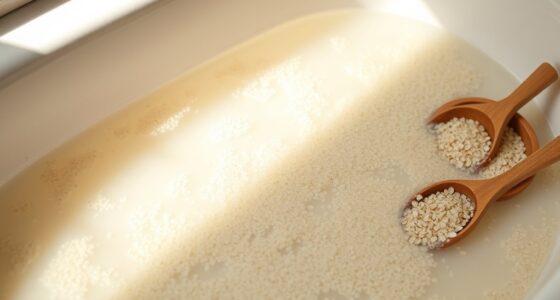
To make your own echinacea tincture, combine fresh or dried parts with high-proof alcohol at a ratio of about 1:5. Let it sit in a cool, dark place for 4-6 weeks, shaking daily to enhance extraction. Strain out the plant materials and store the liquid in amber bottles away from sunlight. Properly prepared, your tincture can boost your immune support. Keep reading to discover tips that maximize its medicinal benefits.
Key Takeaways
- Combine echinacea plant parts with high-proof alcohol in a 1:5 ratio and let sit in a dark place for 4-6 weeks, shaking daily.
- Strain the mixture through cheesecloth to remove plant debris, ensuring a pure tincture rich in medicinal compounds.
- Store the finished tincture in amber or cobalt blue bottles, kept in a cool, dark, dry location to preserve potency.
- Take 1-2 milliliters (20-40 drops) diluted in water or tea up to three times daily during early illness or for immune support.
- Proper extraction and storage maximize herbal benefits; label bottles with the preparation date to monitor shelf life.

Have you ever considered making your own echinacea tincture to boost your immune system? Creating your own herbal tincture allows you to harness the plant’s natural healing properties in a way that’s tailor-made for your needs. The process begins with herbal extraction, where you combine fresh or dried echinacea roots, leaves, or flowers with a high-proof alcohol like vodka. This solvent pulls out the medicinal compounds from the plant material effectively. To guarantee a potent tincture, you need to use the right ratio—typically, one part herb to five parts alcohol—and let the mixture sit in a cool, dark place for about four to six weeks. During this period, it’s essential to shake the jar daily to help the extraction process and prevent mold. Once the extraction is complete, strain out the plant matter using cheesecloth or a fine strainer. The liquid you’re left with is your echinacea tincture, rich in immune-boosting compounds like alkamides and phenolic acids. Incorporating a quality extraction process ensures you maximize the medicinal benefits of the plant.
Proper tincture storage is vital to preserve its potency and extend its shelf life. Store your homemade tincture in dark glass bottles, preferably amber or cobalt blue, which block light and prevent degradation of the herbal constituents. Keep the bottles in a cool, dry place away from direct sunlight and heat sources. Proper storage not only maintains the tincture’s effectiveness but also prevents spoilage or evaporation of the alcohol. Label your bottles with the date of preparation to keep track of their age, as tinctures generally stay effective for several years when stored correctly. When you’re ready to use your echinacea tincture, remember that a typical dose is around 1 to 2 milliliters (about 20-40 drops) diluted in water or tea, taken up to three times a day during the early stages of illness or as a preventive measure. Additionally, understanding automated extraction techniques can help optimize herbal medicine preparation.

ForPro Professional Collection 99% Isopropyl Alcohol (IPA), Pure & Unadulterated Concentrated Alcohol, 32 Fl Oz (960ml)
Pure & Unadulterated Alcohol: Made from the highest grade, 99% pure isopropyl alcohol. High purity alcohol contains no…
As an affiliate, we earn on qualifying purchases.
As an affiliate, we earn on qualifying purchases.
Frequently Asked Questions
Can I Use Dried Echinacea Roots Instead of Fresh?
Yes, you can use dried echinacea roots instead of fresh, but keep in mind that dried herbs often have different herbal potency. Dried roots tend to be more concentrated, so you may want to use slightly less than the fresh equivalent. To guarantee the best extract, adjust your tincture’s strength accordingly, and remember that dried herbs can sometimes require longer infusion times for ideal potency.
How Long Does Homemade Echinacea Tincture Last?
Did you know that properly stored herbal tinctures can last up to 5 years? Your homemade echinacea tincture, if kept in a cool, dark place, generally maintains its potency for about 1 to 3 years. Proper herbal preservation guarantees a longer tincture shelf life, so you get the most out of your immune-boosting remedy. Remember to always use clean tools and check for any change in color or smell before use.
Is Alcohol Necessary for Making the Tincture?
No, alcohol isn’t strictly necessary for making your echinacea tincture. While alcohol extraction is the most common method because it efficiently pulls out active compounds, you can also use solvent alternatives like glycerin or vinegar. These options are gentler and suitable for those avoiding alcohol. Just keep in mind that tinctures made with alternatives may have a different shelf life and potency, so store them properly.
Can Children Safely Take Echinacea Tincture?
Imagine a parent giving their child echinacea tincture during cold season. You should know that, generally, echinacea tincture isn’t recommended for children unless advised by a healthcare professional. For pediatric dosage, use very diluted amounts, and always follow safety precautions. Consult your child’s doctor to ensure it’s safe. The key is to prioritize safety, avoid high alcohol content, and use age-appropriate doses to protect your child’s health.
What Are the Signs of an Allergic Reaction?
If you notice allergy symptoms like swelling, hives, difficulty breathing, or dizziness after taking echinacea, stop use immediately. These signs indicate a possible allergic reaction. You should seek emergency response right away if symptoms worsen or if you experience swelling of the face, lips, or throat. Always monitor for allergy symptoms closely and consult a healthcare professional if you’re unsure or if reactions occur.
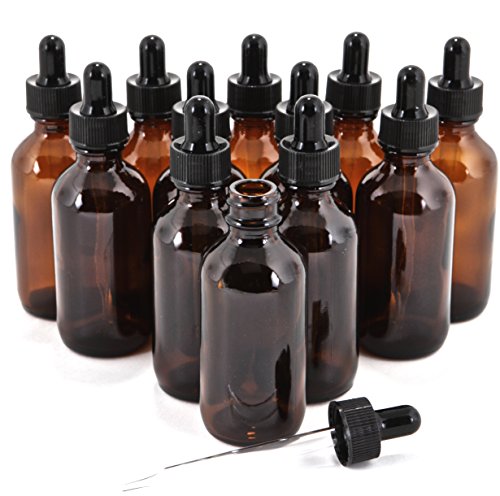
Vivaplex 12, Amber, 2 oz Glass Bottles, With Glass Eye Droppers
12 – 2 oz, Amber Glass Bottles, with Glass Droppers, and Black Caps
As an affiliate, we earn on qualifying purchases.
As an affiliate, we earn on qualifying purchases.
Conclusion
By making your own echinacea tincture, you’re planting a powerful shield in your medicine cabinet, ready to bloom when immune support is needed most. Think of it as weaving a vibrant tapestry of health, each drop strengthening your body’s defenses like threads in a sturdy fabric. With simple steps, you hold the key to a natural remedy that’s always within reach—turning everyday ingredients into your personal armor against illness.
cheesecloth for herbal extraction
As an affiliate, we earn on qualifying purchases.
As an affiliate, we earn on qualifying purchases.

Horbaach Echinacea Drops Herb Tincture | 2 fl oz | Super Concentrated Root Extract | Alcohol Free Liquid | Vegetarian, Non-GMO & Gluten Free Supplement
BOTANICAL NUTRIENTS: Superior herbal support derived from the flowers and roots of this perennial
As an affiliate, we earn on qualifying purchases.
As an affiliate, we earn on qualifying purchases.