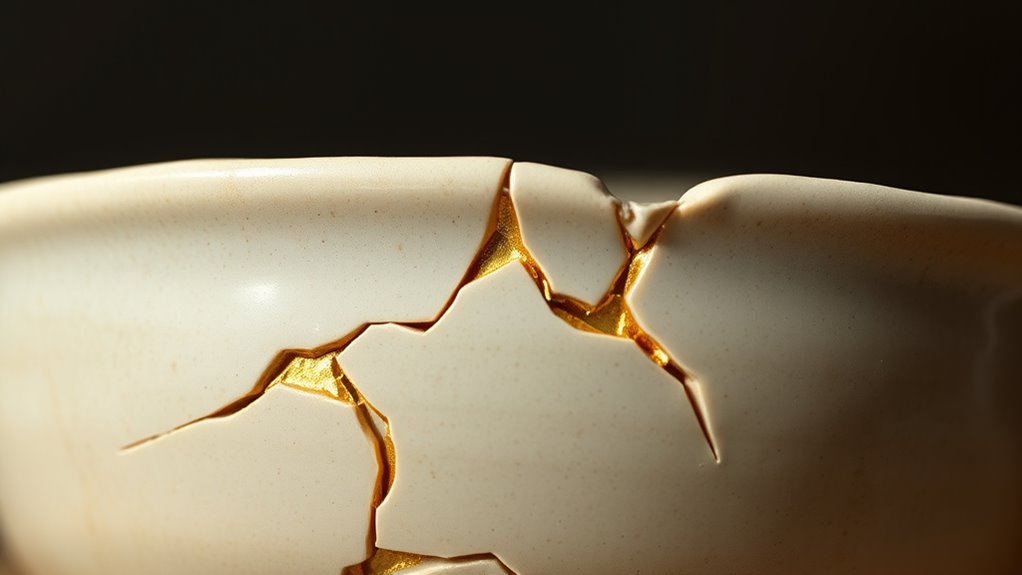

Kintsugi is a Japanese art form that repairs broken pottery using a lacquer mixed with gold, silver, or platinum. Instead of hiding cracks, it highlights them, turning flaws into beautiful features. This technique celebrates imperfections and resilience, symbolizing that breakage can create something richer and more meaningful. By embracing the natural marks of damage, kintsugi transforms shattered pieces into unique artwork. If you want to explore how this ancient craft can inspire a new perspective, there’s more to discover.
Key Takeaways
- Kintsugi is a Japanese art form that repairs broken pottery using lacquer mixed with gold, emphasizing the cracks rather than hiding them.
- It originated in the 15th century and symbolizes resilience, acceptance of imperfections, and the beauty of flaws.
- The technique involves carefully assembling broken pieces and highlighting the fractures with gold to create a unique, artistic appearance.
- Kintsugi transforms damage into a feature, celebrating natural flaws and the object’s history rather than concealing imperfections.
- This practice reflects broader philosophies of embracing impermanence and personal growth through resilience and renewal.
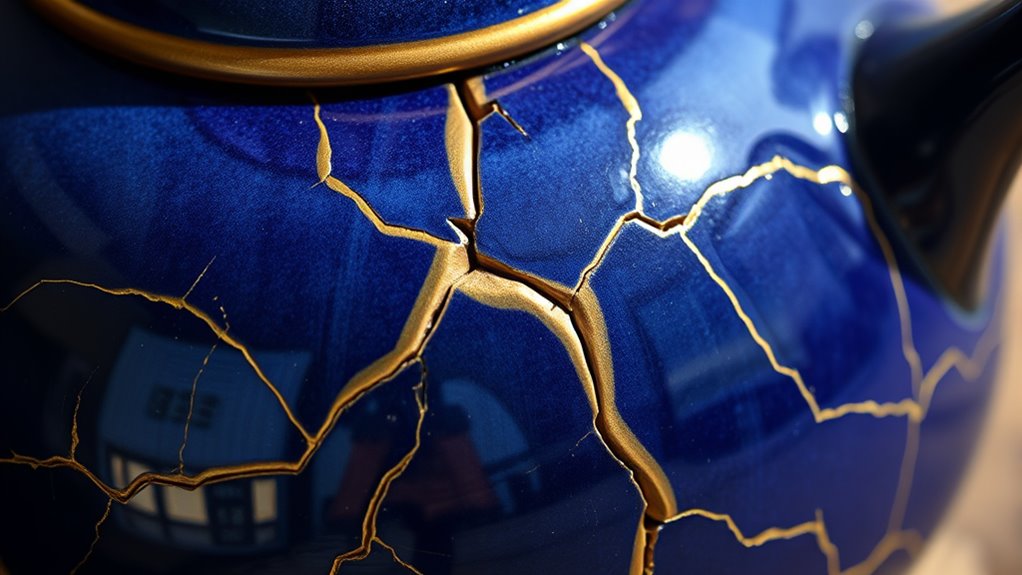
Have you ever wondered why broken objects are sometimes repaired rather than discarded? Kintsugi, the Japanese art of repairing pottery with gold, embodies this philosophy perfectly. Its history significance stretches back hundreds of years, rooted deeply in Japanese culture and philosophy. Originally, kintsugi emerged in the 15th century when a shogun’s broken tea bowl was mended with gold lacquer, transforming a flaw into a feature of beauty. Over time, it became more than just a practical repair; it symbolized resilience, acceptance of imperfections, and the beauty of impermanence. Recognizing the history significance of kintsugi helps you appreciate how this technique reflects a worldview that values flaws as part of an object’s unique story. It’s a reminder that brokenness doesn’t diminish value but can enhance it, a concept that resonates beyond pottery.
When you explore the artistic techniques of kintsugi, you see a craftsmanship that’s both precise and poetic. The process involves carefully assembling the broken pieces, then using a special lacquer mixed with powdered gold, silver, or platinum to bind the fragments together. The adhesive not only restores the object’s function but also creates striking visual contrasts—highlighting the cracks rather than hiding them. This technique requires patience and skill, as each crack is deliberately emphasized to tell its own story. The application of gold doesn’t merely mend but transforms the piece into a work of art. As you observe the final result, you realize that kintsugi isn’t just about repair; it’s about elevating the flaws to an aesthetic statement. The artistic techniques used in kintsugi are deliberate and thoughtful, emphasizing the natural lines of fracture and celebrating them as integral parts of the object’s history. Additionally, embracing vibrational energy aligns with the concept of transforming flaws into beauty.
In essence, kintsugi challenges your notions of perfection and beauty. It invites you to see brokenness not as something to hide but as an opportunity for renewal and artistic expression. The history significance enriches this perspective, showing how a culture venerates the imperfect as part of life’s natural cycle. Meanwhile, the artistic techniques demonstrate that beauty can be crafted from what’s broken, transforming damage into a display of resilience and craftsmanship. When you understand kintsugi, you begin to see the value in embracing your own flaws and imperfections, recognizing that they contribute to your unique story. This art form reminds you that brokenness, when approached with care and creativity, can lead to something truly extraordinary.

iienjoy Kintsugi Repair Kit, 4 Colors Food Safe Kintsugi Kit Repairs Broken Ceramics, Jade, Glass, Meaningful Pottery, Kintsugi Gold Glue for Ceramics and Porcelain Repair Perfect for Beginners
Modern Kintsugi: Kintsugi kit turns broken ceramics, glass, wood, and more into stunning pieces of meaningful art. Celebrate…
As an affiliate, we earn on qualifying purchases.
As an affiliate, we earn on qualifying purchases.
Frequently Asked Questions
How Long Does a Typical Kintsugi Repair Take?
A typical kintsugi repair takes anywhere from a few hours to several days, depending on the restoration timeline and repair complexity. You might spend a day carefully fitting and gluing the broken pieces, then wait for the lacquer to dry. If the repair involves multiple layers of gold or intricate detailing, it can extend the process. Patience is key to achieving a beautiful, durable kintsugi piece.
Can Kintsugi Be Applied to All Types of Pottery?
You might wonder if kintsugi works on all pottery types. The truth is, it depends on the pottery material and the crack’s severity. Fine porcelain or thin ceramic may need careful handling, while sturdier stoneware can often be repaired more reliably. Kintsugi can enhance durability, but not all pieces are suitable. Before proceeding, assess the pottery’s condition and material to guarantee the repair’s durability and beauty.
Is Kintsugi a Permanent or Temporary Repair Method?
Kintsugi is generally a permanent repair method, but durability concerns can affect its longevity. If done properly, the gold-filled crack can last a lifetime, maintaining its aesthetic appeal. However, if the repaired pottery experiences frequent impact or harsh washing, the gold and adhesive may weaken over time. So, while it offers impressive aesthetic longevity, it’s best to handle kintsugi-repaired pieces with care to guarantee lasting beauty and durability.
What Are the Costs Associated With Professional Kintsugi Repair?
You might imagine a delicate gold vein snaking through a shattered bowl, symbolizing the cost of kintsugi. Professional repairs typically range from $100 to $300, covering material costs like gold and lacquer, plus labor expenses. The final price varies based on the piece’s size, complexity, and the artisan’s skill. Investing in kintsugi not only restores beauty but also emphasizes the value of embracing imperfections.
Are There Modern Materials That Mimic Traditional Kintsugi Techniques?
Yes, modern materials like epoxy adhesives and resin composites mimic traditional kintsugi techniques. These alternatives offer durable and visually appealing repairs, closely resembling gold seams. You can find these materials in craft stores or online, making it easier to repair and preserve your pottery without needing the traditional lacquer or gold. While they may not have the same cultural significance, they provide a practical, cost-effective way to achieve a similar aesthetic.
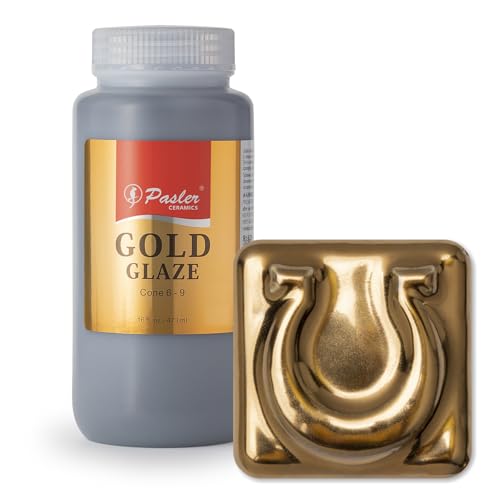
Pasler Gold Glaze for Ceramic Pottery Bisque,PCG01,16fl oz/473ml
This gold glaze may also be applied by sponging, dipping, or pouring.
As an affiliate, we earn on qualifying purchases.
As an affiliate, we earn on qualifying purchases.
Conclusion
Now that you understand kintsugi, you see how it transforms broken pottery into art, celebrating imperfections. Did you know that nearly 70% of people find beauty in flaws, embracing imperfections rather than hiding them? By practicing kintsugi, you learn to value resilience and uniqueness in your own life. Next time something breaks, remember—just like pottery, your flaws can become part of your story, shining brighter with a touch of gold.
iienjoy Kintsugi Repair Kit, 4 Colors Food Safe Kintsugi Kit Repairs Broken Ceramics, Jade, Glass, Meaningful Pottery, Kintsugi Gold Glue for Ceramics and Porcelain Repair Perfect for Beginners
Modern Kintsugi: Kintsugi kit turns broken ceramics, glass, wood, and more into stunning pieces of meaningful art. Celebrate…
As an affiliate, we earn on qualifying purchases.
As an affiliate, we earn on qualifying purchases.

MEYSPRING Royal Gold Mica Powder for Epoxy Resin – Kintsugi Gold – Epoxy Resin Pigment – Great Resin Color for Kintsugi Repair Kit and Metallic Epoxy – Resin Art Supplies – Cosmetic Grade Mica Powder
Gold Mica Powder for Resin —This gold epoxy resin color pigment is designed to blend effortlessly with translucent…
As an affiliate, we earn on qualifying purchases.
As an affiliate, we earn on qualifying purchases.