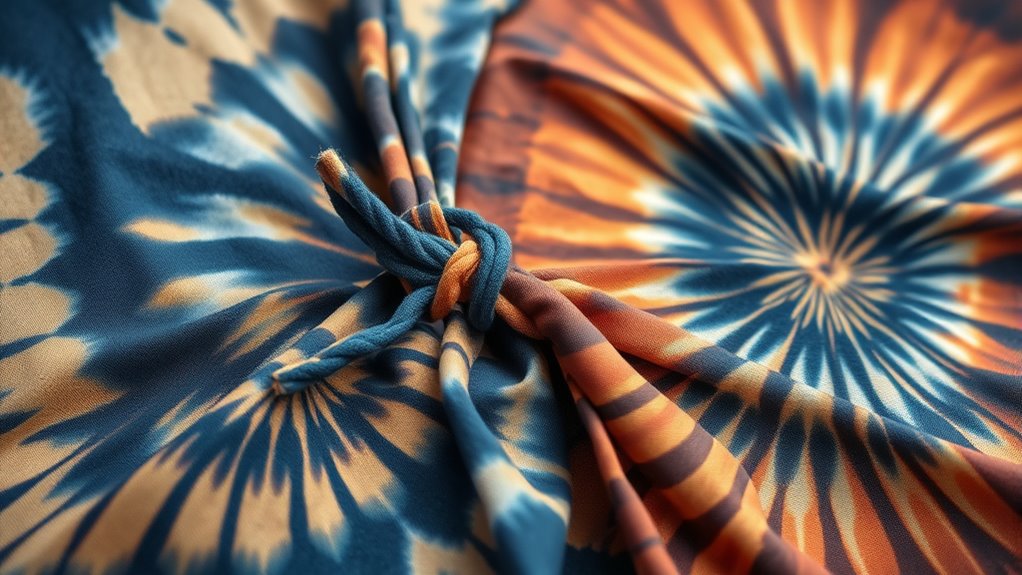

Reviving traditional West African tie-dye techniques involves embracing vibrant colors, intricate patterns, and natural dyeing methods using locally sourced ingredients like indigo and plant extracts. By supporting artisans and community workshops, you help preserve this cultural craft rooted in storytelling and social significance. This eco-friendly approach sustains the environment and honors cultural heritage. If you keep exploring, you’ll discover how these methods continue to inspire sustainable fashion and cultural pride today.
Key Takeaways
- Promoting community workshops and apprenticeships to pass down traditional dyeing skills to new generations.
- Using environmentally friendly natural dyes like indigo and plant extracts to maintain authenticity.
- Incorporating cultural symbols and patterns to preserve the storytelling significance of West African textiles.
- Supporting local artisans through fair trade practices and global markets to sustain traditional craft economies.
- Raising awareness of the environmental and cultural importance of natural dyeing to encourage sustainable revival efforts.
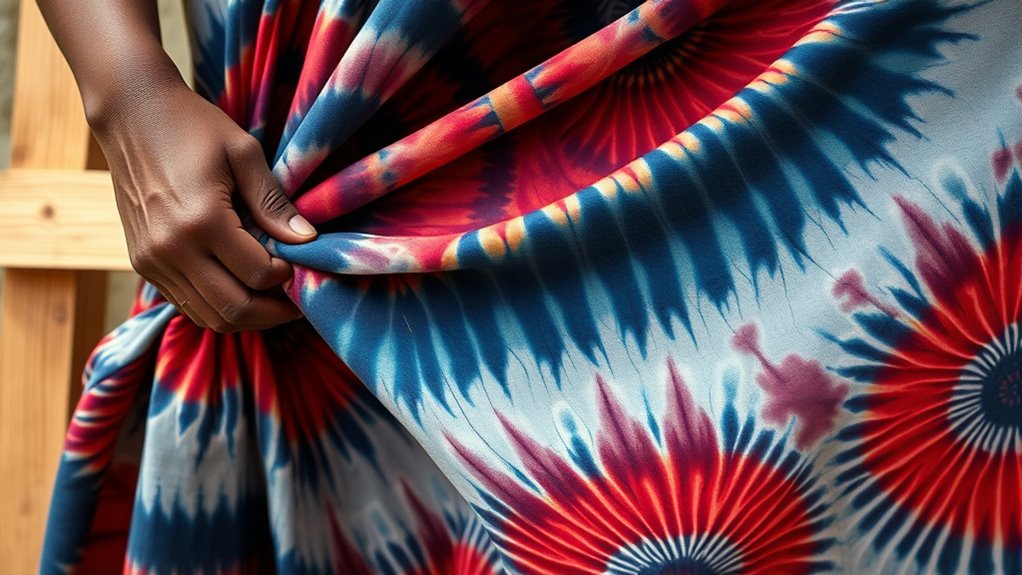
West African tie-dye techniques, known for their vibrant colors and intricate patterns, are experiencing a resurgence as artisans and designers seek to preserve this centuries-old craft. This revival isn’t just about creating stunning textiles; it’s about embracing natural dyeing methods that connect us deeply to cultural preservation. You might notice that these traditional methods rely on natural ingredients like indigo, mud, and plant extracts, which produce rich, earthy hues that modern synthetic dyes often can’t replicate. When you explore these techniques, you’re participating in a process that honors centuries of history and community traditions, ensuring that future generations can continue to learn and practice this unique art form.
Discover West African tie-dye’s vibrant, natural patterns that honor tradition and promote sustainability.
The use of natural dyeing in West African tie-dye isn’t merely about achieving vibrant colors—it’s about respecting the environment and maintaining authenticity. Artisans often harvest plants and minerals locally, turning to nature as their primary source of color. This practice not only reduces environmental impact but also sustains local ecosystems. As you observe or participate in this craft, you’re helping to keep alive a sustainable approach rooted in centuries of knowledge. You’ll see that each pattern and color holds cultural significance, often representing social status, spiritual beliefs, and community identity. This adds a layer of meaning that synthetic dyes simply cannot convey.
By engaging with traditional tie-dye techniques, you contribute to cultural preservation in a meaningful way. Many artisans are passionate about passing down their skills through apprenticeships and community workshops. When you support these efforts—whether through purchasing authentic textiles or learning the craft—you’re helping to sustain a vital cultural heritage. It’s more than just fashion; it’s a form of storytelling and identity that has been handed down through generations. These textiles often feature symbolic motifs that tell stories of origin, history, and social values, making each piece a cultural artifact.
Furthermore, this revival encourages a broader appreciation of West African history and artistry. It fosters respect for local practices and promotes the idea that traditional, natural methods are still relevant today. As you immerse yourself in this craft, you’re not only creating beautiful textiles but also participating in a larger movement aimed at cultural and environmental sustainability. Additionally, natural dyeing techniques ensure that the colors and patterns are long-lasting and environmentally friendly, further emphasizing the importance of traditional practices. The resurgence of West African tie-dye reminds us that preserving age-old techniques isn’t just about aesthetics; it’s about honoring the roots of a rich cultural legacy through natural dyeing practices that sustain both tradition and the environment.
Frequently Asked Questions
How Long Does the Traditional Tie-Dye Process Typically Take?
The traditional tie-dye process from West Africa usually takes about 2 to 7 days, depending on the dyeing duration and process timeline. You’ll spend time preparing the fabric, applying the resist techniques, and allowing the dye to set and dry. Factors like multiple dye baths or intricate designs can extend the process. Patience is key, as each step influences the vibrant results you’ll achieve in the end.
Are There Specific Types of Fabrics Best Suited for West African Tie-Dye?
Did you know that high-quality cotton accounts for over 60% of traditional West African tie-dye textiles? You should use fabrics like cotton or silk because they offer excellent dye absorption and durability. These materials hold vibrant colors longer and withstand washing better, ensuring your designs remain stunning. For authentic results, avoid synthetic fabrics, as they don’t absorb dyes well and tend to fade faster, reducing the beauty of your traditional creations.
What Environmental Impacts Are Associated With Traditional Dyeing Methods?
You should know that traditional dyeing methods can impact the environment through chemical runoff, which pollutes nearby water sources, and high water consumption, straining local water supplies. These practices often use natural dyes, but some still rely on chemicals, posing risks to ecosystems and communities. By understanding these impacts, you can better appreciate the importance of sustainable techniques and work toward eco-friendly dyeing practices.
Can Modern Technology Improve the Accuracy of Traditional Designs?
You can bet that modern technology, like digital enhancement, improves the accuracy of traditional designs. It allows you to achieve better pattern precision, ensuring the authenticity and intricate details are preserved. While some might worry about losing cultural essence, integrating these tools helps artisans craft more consistent, high-quality pieces. Embracing these advancements doesn’t mean abandoning tradition; it’s about strengthening it with innovation, keeping the craft alive and thriving.
How Do Cultural Meanings Influence Pattern Choices in Tie-Dye?
You see that cultural meanings heavily influence your pattern choices in tie-dye. Symbolic meanings guide you to select specific colors and designs that convey messages or traditions. Regional variations play a role, as different areas have unique symbols and styles. By understanding these cultural nuances, you guarantee your patterns honor traditions and communicate the intended messages, making your tie-dye pieces more meaningful and authentic.
Conclusion
By reviving West African tie-dye techniques, you help preserve a rich cultural heritage that’s been passed down for generations. Did you know that over 60% of traditional dye patterns are at risk of fading due to modern changes? Your efforts to keep these techniques alive ensure they continue to inspire and connect communities. Embrace these vibrant traditions, and you’ll play a crucial role in safeguarding a beautiful art form for future generations.