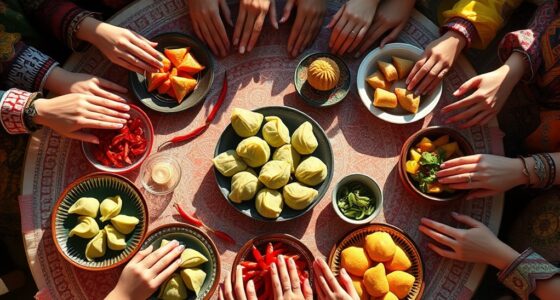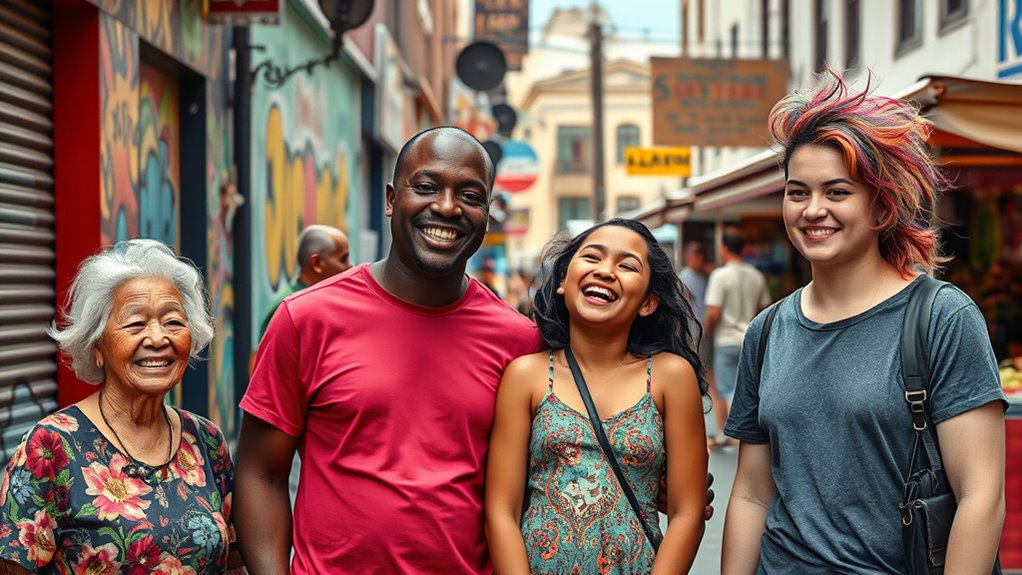

Inclusive photography and diverse representation in media help you create visuals that genuinely reflect all kinds of people, cultures, and experiences. By moving beyond superficial diversity and emphasizing authenticity, you can foster understanding and make everyone feel seen and valued. Incorporating accessibility and challenging traditional beauty standards broadens your impact and contributes to social change. If you want to learn how to make your visuals more inclusive and meaningful, keep exploring ways to elevate diverse storytelling.
Key Takeaways
- Authentic representation showcases diverse cultures, backgrounds, and identities, fostering inclusivity and reducing stereotypes in media.
- Incorporating accessibility features like alt text and captions ensures visual content is engaging for all audiences.
- Challenging traditional beauty standards by including varied body types, ages, and cultural attire promotes realistic portrayals.
- Creating inclusive visuals requires ongoing effort, cultural sensitivity, and intentional storytelling to reflect diverse experiences.
- Authentic and accessible media representations help viewers see themselves reflected, promoting understanding and societal acceptance.

Have you ever noticed how media often falls short in representing the full spectrum of human diversity? It’s a common experience, and it highlights a significant gap in how stories are told and who gets to be seen. When photos and visuals lack cultural authenticity, they can feel disconnected or even misrepresentative, making it harder for viewers to see themselves reflected or understood. To truly foster inclusivity, media creators need to prioritize authentic representation that respects and celebrates different backgrounds, identities, and experiences. This isn’t just about adding more diverse faces to images; it’s about capturing the richness of cultures in a way that’s genuine and respectful. When images reflect cultural authenticity, they resonate more deeply with audiences, fostering a sense of belonging and validation that otherwise might be missing.
At the same time, accessibility improvements are essential in ensuring that inclusive photography reaches everyone. Visual content should be designed with accessibility in mind, making it easy for people with disabilities or different needs to engage with the material. This can include alt text for images, captions, audio descriptions, and ensuring that visuals don’t rely solely on color or other features that might be inaccessible to some viewers. When accessibility is integrated into photography and media, it broadens the audience and demonstrates a commitment to truly inclusive storytelling. It’s not enough to simply show diverse faces; you need to make sure that everyone can access and understand what’s being communicated. Incorporating vibrational awareness into visual storytelling can help creators better understand how imagery influences emotional responses and inclusivity.
Moving toward more inclusive photography also involves challenging traditional standards of beauty and representation. Instead of adhering to narrow ideals, you can showcase a broad range of body types, ages, skin tones, and cultural attire. These choices help dismantle stereotypes and create a more realistic, relatable view of the world. When media embraces diversity in a genuine way, it encourages viewers to see differences as normal and valuable, rather than as exceptions or anomalies. This approach not only enriches the visual landscape but also promotes social change by normalizing diversity in everyday imagery.
Ultimately, creating inclusive photography that emphasizes cultural authenticity and accessibility improvements requires awareness, intentionality, and ongoing effort. It’s about making sure everyone’s story is told with respect and honesty, and that everyone can engage with it meaningfully. When you prioritize these elements, you contribute to a media landscape that’s more inclusive, just, and reflective of the world we live in.
Top picks for "inclusive photography diverse"
Open Amazon search results for this keyword.
As an affiliate, we earn on qualifying purchases.
Frequently Asked Questions
How Can Photographers Ensure Authentic Representation?
You can guarantee authentic representation by practicing cultural sensitivity and engaging with your subjects respectfully. Listen to their stories and understand their backgrounds to avoid stereotypes. Prioritize ethical storytelling by seeking consent and portraying individuals genuinely. Avoid exoticizing or misrepresenting cultures. By being mindful of these principles, you create images that honor your subjects’ identities, fostering trust and producing meaningful, authentic content that resonates with viewers.
What Challenges Exist in Depicting Disability Accurately?
You might find it tricky to depict disability accurately, as stereotypes can cast a long shadow. Overcoming accessibility barriers and avoiding stereotype reinforcement requires sensitivity and awareness. You must go beyond surface appearances and understand individual experiences, like peeling back layers of an onion. By doing so, you create authentic images that respect and celebrate diversity, ensuring your work challenges misconceptions instead of deepening them.
How Does Inclusive Photography Impact Societal Perceptions?
You see, inclusive photography shifts societal perceptions by challenging visual bias and promoting authentic representation. When you showcase diverse identities with cultural sensitivity, you help break stereotypes and foster understanding. Your images influence viewers to see people beyond surface differences, encouraging empathy and acceptance. By consciously highlighting varied experiences, you create a more inclusive society where everyone feels seen, valued, and understood, ultimately transforming how we perceive and relate to one another.
What Are Common Misconceptions About Diversity in Media?
Many people think diversity in media is just about ticking boxes, but it’s more than that. You might believe it’s about showcasing everyone equally, yet some think it reinforces stereotypes instead of breaking them. Be aware of tokenism pitfalls—placing minority groups superficially to appear inclusive. True diversity means authentic representation that challenges stereotypes, not just ticking boxes or giving superficial appearances.
How Can Media Outlets Improve Diversity in Their Imagery?
To improve diversity in your media imagery, you should prioritize cultural sensitivity and ethical sourcing. Make certain your team understands different cultures and avoids stereotypes, reflecting authentic experiences. Source images ethically by working with diverse photographers and communities, giving them fair representation and compensation. Incorporate a variety of perspectives and backgrounds in your visual content, making your imagery more inclusive and respectful, ultimately resonating with a broader audience.
Conclusion
By embracing inclusive photography and diverse representation, you help challenge stereotypes and foster understanding. Your choices in media can positively impact how others see themselves and the world around them. Remember, a picture is worth a thousand words, so make yours count by showcasing authenticity and variety. When you promote diversity, you’re contributing to a more equitable society—because, as they say, “A rising tide lifts all boats.” Keep pushing for a richer, more inclusive visual landscape.