Ayurveda integrates cultural traditions and spiritual beliefs into personalized wellness approaches that honor your unique mind, body, and spirit. It emphasizes herbal remedies, rituals, and natural therapies rooted in centuries of cultural wisdom, helping you restore balance and harmony tailored specifically to you. These practices are deeply connected to cultural symbols and community traditions, making your healing experience truly holistic. If you keep exploring, you’ll discover how Ayurveda uniquely combines these cultural elements to support your well-being.
Key Takeaways
- Ayurveda reflects deep cultural wisdom, emphasizing personalized healing aligned with individual doshas and cultural beliefs.
- It integrates traditional herbal remedies with rituals that reinforce spiritual and cultural identities.
- Personalized wellness in Ayurveda considers cultural backgrounds, respecting unique physical, mental, and spiritual traits.
- Rituals like prayers and ceremonies are vital in maintaining health and connecting healing with cultural traditions.
- Holistic practices in Ayurveda blend natural remedies, cultural symbols, and spiritual beliefs to foster balanced well-being.
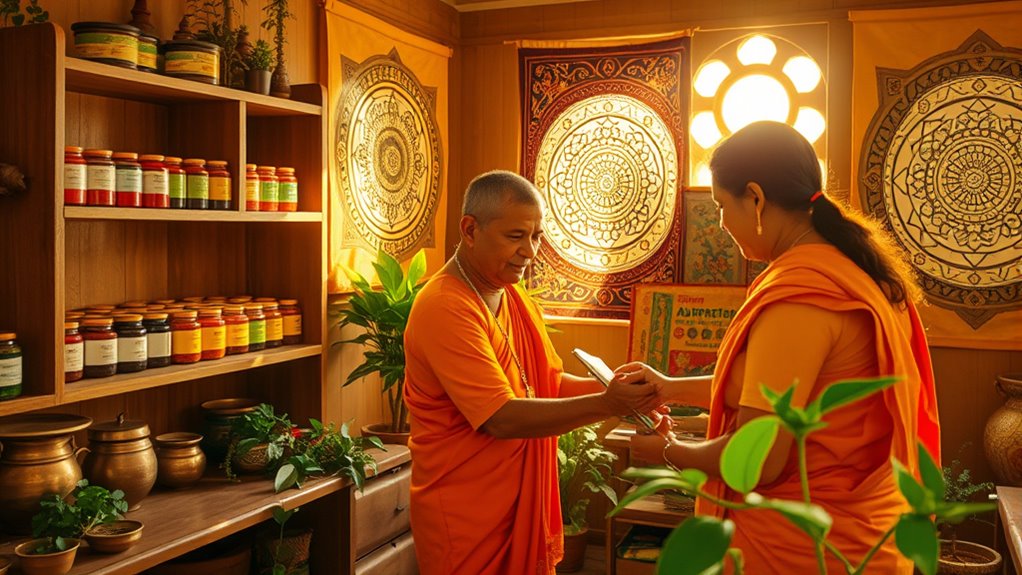
Have you ever wondered how traditional healing systems like Ayurveda are deeply intertwined with the cultures they originate from? When you explore Ayurveda, you realize it’s more than just a set of practices; it’s a reflection of centuries of cultural wisdom. At its core, Ayurveda emphasizes personalized wellness, recognizing that each individual’s mind, body, and spirit are unique. This personalized approach relies heavily on herbal remedies tailored to your specific constitution, or dosha, which is determined by your physical and mental traits. These herbal remedies aren’t random; they’re selected based on traditional knowledge passed down through generations, often combined with traditional rituals that reinforce their healing power. For example, the use of specific herbs in teas, oils, or powders often aligns with cultural beliefs about balancing energies or harmonizing with natural cycles.
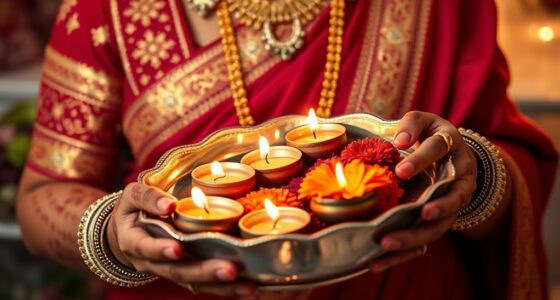
Traditional rituals play a crucial role in Ayurveda’s cultural identity. These rituals aren’t just ceremonies; they’re integral to maintaining health and aligning your body with natural rhythms. Many of these rituals involve specific prayers, mantras, or meditation practices that are believed to enhance the effectiveness of herbal remedies. They also include practices like oil massages, detoxification routines, or dietary regimens that are rooted in cultural symbolism. Such rituals serve a dual purpose: they reinforce the spiritual connection to healing and create a sense of community and continuity, linking you to your cultural heritage.
Understanding Ayurveda’s cultural perspective means appreciating how it weaves together natural elements, spiritual beliefs, and social customs. When you incorporate herbal remedies into your routine, you’re engaging with a tradition that has been refined over thousands of years. These remedies aren’t merely about alleviating symptoms; they’re about restoring balance in a way that respects your individual needs and your cultural background. Traditional rituals further personalize this process, turning healing into a holistic experience that nurtures your body and mind while honoring your cultural roots.
Frequently Asked Questions
How Does Ayurveda Adapt to Modern Technological Advancements?
You can see Ayurveda adapting to modern technology through digital diagnostics, which help identify imbalances more precisely. Bioinformatics integration allows practitioners to analyze genetic and health data, customizing treatments further. By combining ancient wisdom with these advancements, you get more accurate, personalized wellness plans. This fusion makes Ayurveda more accessible and effective, ensuring you receive tailored care that aligns with your unique constitution and modern lifestyle.
Are There Specific Cultural Rituals Linked to Personalized Ayurvedic Treatments?
Think of cultural rituals as sacred keys revealing personalized ceremonies in Ayurveda. You’re invited to partake in specific rituals—like herbal offerings, mantra chanting, or oil pours—that deepen your healing journey. These personalized ceremonies symbolize harmony between mind, body, and spirit. By engaging in them, you embrace ancient traditions that honor your unique constitution, fostering a profound connection to your wellness path and reinforcing the cultural roots woven into your treatment.
How Do Different Cultures Interpret Ayurvedic Concepts of Wellness?
Different cultures interpret Ayurvedic concepts of wellness through their unique lens of cultural healing and traditional practices. You might see some cultures emphasizing balance and harmony, much like Ayurveda, while others incorporate spiritual rituals or herbal remedies rooted in their history. These diverse perspectives shape how people approach health, blending ancient wisdom with modern healing methods. Embracing these differences allows you to appreciate wellness as a deeply personal and culturally rich journey.
Can Ayurveda Be Integrated With Western Medicine for Personalized Care?
Yes, you can integrate Ayurveda with Western medicine for personalized care by adopting integrative approaches and cultural adaptations. You’ll benefit from combining traditional holistic practices with evidence-based treatments, tailored to your unique needs. This collaboration fosters a more all-encompassing wellness plan, respecting your cultural background while embracing modern medicine. It encourages dialogue between practitioners, ensuring safe, effective, and personalized healthcare that aligns with your lifestyle and beliefs.
What Role Do Cultural Beliefs Play in Ayurvedic Diagnosis and Therapy?
Cultural beliefs shape your understanding of Ayurvedic diagnosis and therapy through cultural symbolism and traditional healing practices. They influence how you interpret symptoms, choose treatments, and perceive wellness. Your cultural background guides your trust in certain remedies and healing rituals, making the experience more personal and meaningful. Embracing these beliefs helps you connect deeply with traditional healing methods, ensuring a more holistic and culturally respectful approach to your health journey.
Conclusion
Embracing Ayurveda and its rich cultural roots can transform your approach to wellness, making it feel like opening a treasure chest of ancient wisdom. By honoring personalized health practices, you’ll discover a path so powerful it could move mountains. Remember, this isn’t just about feeling good — it’s about experiencing a life-changing journey that connects you deeply to centuries of tradition. Immerse yourself with an open heart, and watch your well-being blossom beyond your wildest dreams.