
TL;DR

Get beauty and skincare favorites delivered free with Prime
- Fast, free delivery on millions of items
- Prime Video, Amazon Music and more included
- Member-only deals all year
Hair-care brands are introducing water-based, non-aerosol dry shampoo mists that aim to refresh hair with less powdery feel or visible residue. The format is an emerging alternative, not a confirmed replacement for conventional dry shampoo; evidence on consumer uptake and comparative performance is limited in the available report.
Dry shampoo mists are emerging as an alternative to powder-based and aerosol products, with K18 and Schwarzkopf’s Got2B among the brands developing liquid formats to refresh hair between washes. A Cosmetics Business report says the products are designed to reduce the powdery feel and visible residue associated with conventional options, but the available information does not establish that mists perform better or are replacing existing formats.
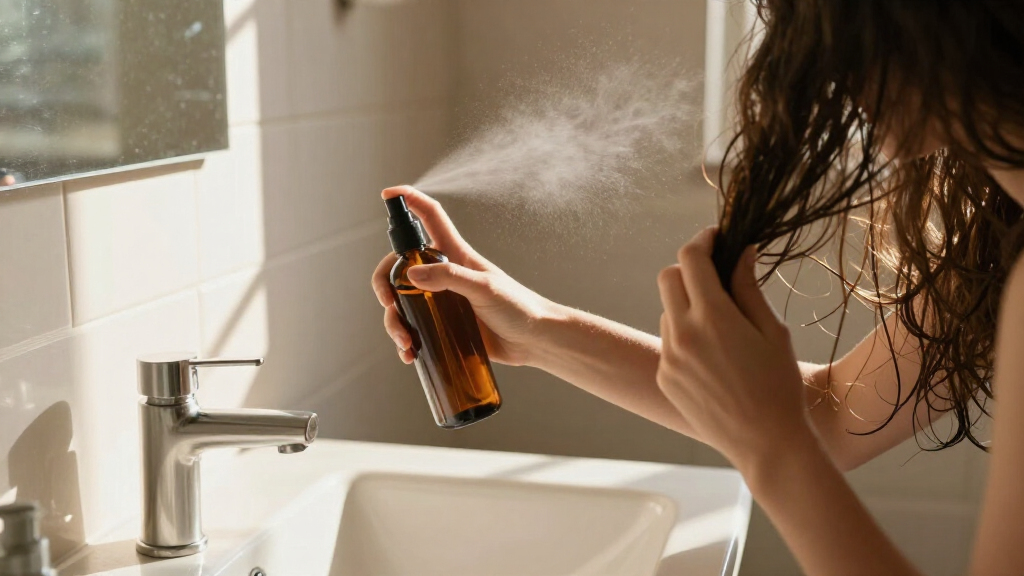
A dry shampoo mist is a non-aerosol, liquid-based spray, according to Laura Fenton, chief marketing officer of Living Proof. Unlike conventional products that typically use powders or aerosolised starches to absorb oil, Fenton said mists deliver oil-absorbing and cleansing ingredients through a fine liquid spray. The report does not provide independent comparative testing of those approaches.
K18 introduced its AirWash dry shampoo in 2024. The brand says its water-based product uses its patented odorBIND biotechnology to target odour-causing molecules, alongside porous silica to absorb excess oil from hair and scalp. K18 also claims that one unit sells every 17 seconds globally; the report does not specify the period covered, provide sales data, or give an independent source for that figure.
Schwarzkopf’s Got2B Get Fresh Dry Shampoo Hair Mist is another example cited in the report. The water-based spray is positioned as a lighter alternative to powder-based dry shampoo, with oil absorption and a less powdery application among its intended features. The source does not include launch timing, detailed formula data, or consumer testing results for the product.
A Different Way to Refresh Hair
The format signals that companies are trying to address common complaints about dry shampoo: white cast, chalky texture and product build-up. A liquid spray could appeal to people seeking an application that feels less powdery, while offering brands another way to distinguish products in an established category. Those are intended benefits described by industry representatives, not proof that every mist avoids residue or works equally well across hair types.
Dr. Catherine Leray, account head of research and development at THG Labs, said consumers want to extend the time between washes without visible cast or excessive build-up. She said mists and foams can allow more targeted application and may suit curls, braids and extensions better than loose powder. For shoppers, the practical question is whether individual formulas refresh hair effectively and feel comfortable without leaving a different kind of residue.
The commercial backdrop is substantial, but should be treated as a forecast rather than a result. The report cites Spate’s estimate that the global dry shampoo market was valued at $5.1 billion in 2026 and is forecast to reach $11.7 billion by 2033. It gives no methodology, regional breakdown or separate market estimate for mists, so the figure does not show how much of the category’s value comes from the new format.
As an affiliate, we earn on qualifying purchases.
From Powder to Liquid Sprays
Dry shampoo has traditionally been associated with aerosol cans and powder-based formulas used between washes. The report describes a broader shift toward lighter products intended to refresh hair rather than simply mask oil, with mists among the newer formats being explored. It does not document when the overall shift began or quantify changes in sales by product type.
K18’s 2024 AirWash launch is presented as an early marker of this move, followed by the report’s mention of Got2B Get Fresh. The products share a liquid-spray approach, but the available material does not establish that they use the same ingredients or technology. Fenton’s description offers a general definition of a dry shampoo mist, while specific formula and performance claims belong to the brands that make them.
““The main driver [of the category] is performance.””
— Dr. Catherine Leray, account head of R&D at THG Labs
As an affiliate, we earn on qualifying purchases.
Performance and Demand Still Need Evidence
The report does not provide independent head-to-head testing showing how well mists absorb oil, reduce odour or avoid visible residue compared with powder and aerosol products. It also gives no consumer survey, repeat-purchase data, or market share figures for the mist segment. Claims about a lighter feel, targeted application and suitability for curls, braids or extensions should therefore be understood as product positioning or expert opinion, not settled findings for every formula.
Some details are missing from the commercial claims. K18’s reported sale of one AirWash unit every 17 seconds is attributed to the brand, but the period and underlying data are not stated. The report also does not provide the publication date for the Got2B launch, current product availability by market, or information about whether shoppers are switching from traditional dry shampoo rather than adding a new option.
As an affiliate, we earn on qualifying purchases.
Watch for Testing and Sales Data
The next meaningful indicators will be independent performance comparisons, clearer product-level evidence and sales data that separates mists from the wider dry shampoo market. Further launches or formula updates may show whether the format spreads beyond the products named in the report, but no upcoming release or milestone is specified in the source.
For now, consumers considering a mist can compare the product’s directions and ingredient list with their own hair-care needs. The report offers no clinical or safety assessment of the products; users should follow each manufacturer’s instructions and stop use if irritation occurs. Whether mists become a lasting part of the category will depend on performance and demand that the available report does not yet quantify.
As an affiliate, we earn on qualifying purchases.
Key Questions
What is a dry shampoo mist?
It is a non-aerosol liquid spray intended to refresh hair between washes. Living Proof’s Laura Fenton says the format delivers oil-absorbing and cleansing ingredients as a fine mist, rather than relying on the powder or aerosolised starches commonly used in traditional products.
Which brands are named in the report?
The report cites K18 AirWash, launched in 2024, and Schwarzkopf’s Got2B Get Fresh Dry Shampoo Hair Mist. It does not provide full launch details or availability information for the Got2B product.
Are mists proven to work better than powder dry shampoo?
No comparative test results are included in the report. The lighter feel and reduced powderiness are intended product benefits, but the material does not establish that mists outperform conventional dry shampoos.
Are dry shampoo mists replacing traditional products?
The report describes mists as an emerging format, not as a replacement. It provides no market-share or consumer-sales data showing how widely shoppers are adopting them.
Source: rss
Halloween Picks
halloween
As an affiliate, we earn on qualifying purchases.