
TL;DR

Get beauty and skincare favorites delivered free with Prime
- Fast, free delivery on millions of items
- Prime Video, Amazon Music and more included
- Member-only deals all year
PZ Cussons European Packaging Lead Mark Browne described playful beauty and personal-care packaging trends appealing to young Gen Z and Gen Alpha consumers, including food-inspired designs and collectible accessories. He also pointed to the challenge brands face in balancing these experiences with tighter rules on single-use packaging and sustainability expectations. The source is a short extract from a subscriber-only interview, so it does not provide detailed solutions or data on the trends.
PZ Cussons European Packaging Lead Mark Browne says beauty and personal-care brands are responding to young consumers with playful, food-inspired and collectible packaging, even as they face tighter rules on single-use packaging and growing sustainability expectations. His comments, made to Cosmetics Business at London Packaging Week, describe a design challenge for brands: creating products that feel entertaining and personal without overlooking packaging impacts.
Browne pointed to what he called the “foodification” of packaging: products such as whipped-cream-style shower gels and containers shaped like doughnuts. These designs make the product resemble food, although the extract does not give examples of particular brands or report how widely the approach is being used.
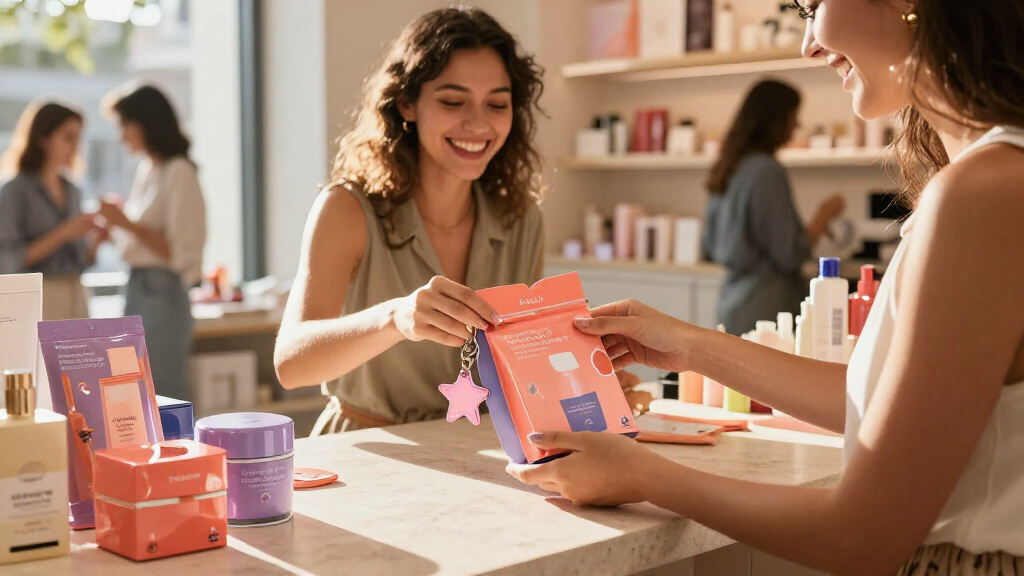
He also described “toyification”, in which products come with playful items consumers may collect, keep or wear. Browne mentioned charms or small fluffy toys clipped to handbags alongside hand cream, lip balm or fragrance spray. He said these products remain visible and accessible to consumers and can serve as a form of self-expression.
The interview extract frames these ideas alongside pressure to address single-use packaging rules and sustainability expectations. It does not set out a specific packaging redesign, material choice or performance result from PZ Cussons, and it offers no figures on consumer demand or environmental impact.
Playful Design Meets Packaging Rules
Packaging can shape how a beauty product is noticed, used and carried, and Browne’s examples show brands extending product design beyond the container itself. A charm or toy-like accessory can make an item function as a personal accessory as well as a cosmetic product. That may appeal to consumers seeking products that are visible and expressive, though the source provides no sales evidence or consumer research to quantify the effect.
The commercial opportunity comes with a practical constraint: more components or decorative features may complicate packaging decisions, while companies face pressure to reduce reliance on single-use materials. The extract identifies that tension but does not establish that any particular trend necessarily produces more waste. For shoppers and the industry, the unresolved issue is how brands can retain playful design while meeting sustainability expectations and applicable packaging rules.
Products Worth Considering

Oral-B iO Series 3 Rechargeable Electric Toothbrush for Adults, Black, 3 Modes, 2 Brush Heads and Travel Case

Oral-B iO5 Rechargeable Electric Toothbrush with 5 Cleaning Modes and Travel Case, White

Blueair Blue Pure 511i Max Smart Air Purifier
As an affiliate, we earn on qualifying purchases.
Food-Inspired and Collectible Formats
The comments come from an interview published by Cosmetics Business and conducted at London Packaging Week. The supplied material is a small extract; the publisher says the full interview is available to premium subscribers. That limits what can be established about Browne’s wider account, including any recommendations or examples beyond those quoted in the extract.
The phrases “foodification” and “toyification” are Browne’s descriptions of trends he says are emerging in the category. His examples cover both the appearance of a product—such as a doughnut-shaped container—and additional items designed to be kept or attached to a bag. The source does not define the age ranges meant by “young Gen Z” and “Gen Alpha,” or provide dates, market data or comparisons with earlier packaging styles.
““There is the foodification of packaging, like whipped cream shower gels, products that look edible, in doughnut-shaped containers.””
— Mark Browne, European Packaging Lead at PZ Cussons
Evidence and Packaging Details Missing
The available extract does not include sales figures, consumer survey results or evidence showing how strongly these designs influence purchases among Gen Z or Gen Alpha. It also does not identify which packaging regulations Browne was referring to, their jurisdictions or implementation timelines.
Nor does the extract explain how brands might limit material use, make accessories reusable or recyclable, or assess the environmental effects of added components. Browne’s comments describe trends and pressures, but the source material does not confirm that PZ Cussons has adopted a specific response or that the approaches discussed have reduced packaging impacts.
Full Interview Could Add Detail
The supplied source does not announce a product launch, regulatory decision or forthcoming company action. Further details would depend on access to the full Cosmetics Business interview or additional information from PZ Cussons about its packaging plans. For now, the confirmed development is Browne’s account of the design trends and the sustainability challenge—not a disclosed solution or measured outcome.
Key Questions
What packaging trends did Mark Browne describe?
He described food-inspired designs, including whipped-cream-style shower gels and doughnut-shaped containers, as well as collectible or wearable accessories such as charms and small toys.
Who is Mark Browne?
Browne is identified in the source as European Packaging Lead at PZ Cussons. He discussed packaging trends in an interview with Cosmetics Business at London Packaging Week.
Why are these designs a sustainability issue?
The interview places the trends alongside tightening rules on single-use packaging and rising sustainability expectations. The extract does not establish the environmental impact of any specific design or explain how brands are addressing it.
Does the report include evidence that younger consumers prefer these products?
Browne says brands are responding to trends appealing to young consumers, but the supplied extract includes no survey data, sales figures or other quantified evidence of consumer preferences.
Has PZ Cussons announced a packaging change?
No specific product change or sustainability initiative appears in the supplied extract. It presents Browne’s observations and describes the broader challenge for brands, but does not report a new company commitment.
Source: cosmeticsbusiness.com