
TL;DR

Get beauty and skincare favorites delivered free with Prime
- Fast, free delivery on millions of items
- Prime Video, Amazon Music and more included
- Member-only deals all year
Dermaself has developed a version of its selfie-based skin analysis platform for testing laboratories to measure volunteers’ skin in remote cosmetic studies. The company says its AI can score more than 60 visible skin parameters, while laboratories remain responsible for study design, expert evaluation and conclusions. Study performance, regulatory acceptance and the platform’s real-world use have not been independently detailed in the source report.
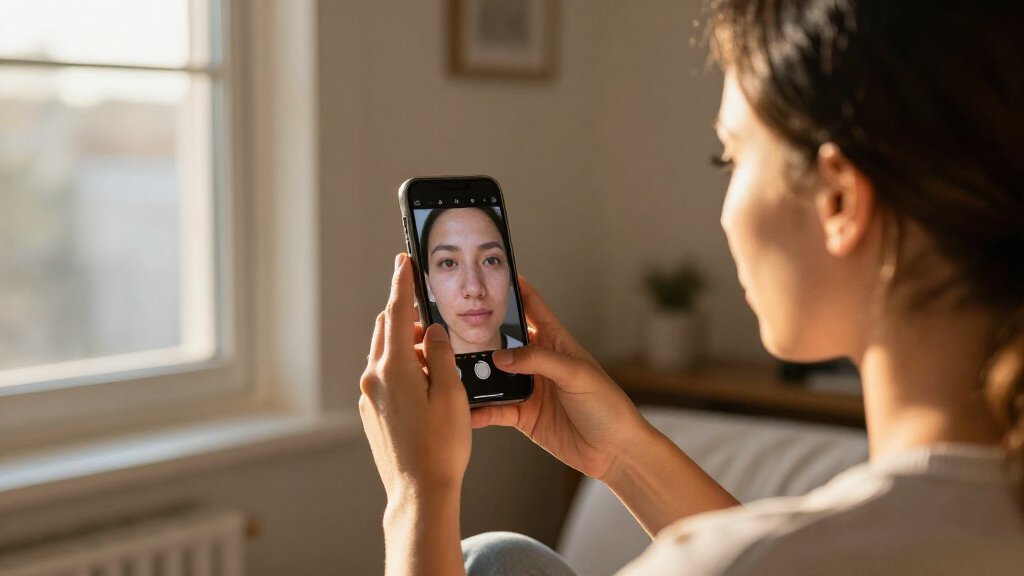
Milan-based beauty technology company Dermaself has adapted its AI skin analysis platform for remote cosmetic clinical studies, allowing volunteers to submit guided smartphone photos from home for measurement over time. Testing laboratories continue to set study protocols and interpret results, while the platform automates image capture support and scoring of skin parameters.
Dermaself says its system analyses selfies across more than 60 visible skin parameters and can compare each volunteer’s later images with a baseline photo. Laboratories choose the parameters, study checkpoints and endpoints. The source report gives two, four and eight weeks as examples of possible checkpoints, rather than a fixed schedule for all studies.
In the proposed workflow, volunteers take a baseline photo using on-screen guidance, then submit additional images at intervals set by the laboratory. The AI applies the same measurement criteria to images and produces results for individuals and the wider study group. The laboratory, not the software, designs and runs the study and prepares the final report and conclusions.
Dermaself says a study can be set up in five days and that the platform can support cohorts of up to 10,000 volunteers. Those figures describe the company’s stated capacity and setup time; the report does not provide results from a specific completed study or independently verify the claims. It also says the system’s repeatability score is 0.92–0.93 on repeated measurements of the same skin, without detailing the metric’s methodology in the material provided.
Remote Testing Could Expand Study Reach
Remote photo collection could reduce two practical constraints in cosmetic testing: limited testing-site capacity and the need for participants to travel for repeated assessments. If the approach works as described, laboratories may be able to recruit people who live far from a site or cannot attend frequent visits, and brands could test products under everyday home-use conditions.
Consistent automated scoring may also help laboratories compare images across volunteers and time points using a common set of criteria. That could make some studies easier to scale, but it does not by itself establish that a product is effective or substantiate a marketing claim. Study design, expert review and claim decisions remain with the laboratory and brand, including the brand’s regulatory team.
The practical significance will depend on evidence not supplied in the announcement: how the system performs across different phones, lighting conditions, skin types and study protocols, and whether remote image measurements align with the assessments laboratories need. The stated capacity is not evidence that studies of that size have already been completed.
Products Worth Considering

Oura Ring 4 Smart Ring – Silver – Size 8

Oura Ring 5 Smart Ring – Silver – Size 10

Bowflex PR1000 Home Gym
As an affiliate, we earn on qualifying purchases.
From Routine Advice to Study Measurement
Dermaself already supplies skin analysis for brand and retailer websites, stores and events. Its system uses selfie images to assess visible skin features and recommend routines from a brand’s product catalogue, which the company says it reads through ingredient lists. The new offering applies the image-measurement capability to a different task: tracking changes during a study rather than recommending products to an individual user.
The company attributes the underlying skin taxonomy to Derming, an independent research institute in Monza. According to the report, Derming’s taxonomy was validated on more than 100,000 clinical images reviewed by board-certified dermatologists. Dermaself also describes its colour normalisation as patent-pending, saying it corrects image lighting and colour. The source material does not include an independent evaluation of these methods or a detailed account of the validation process.
Dermaself’s route to market is through testing laboratories. A brand can ask its existing study partner whether remote capture and AI measurement can be added to a protocol, rather than contracting directly with Dermaself or changing laboratories, according to the company’s description.
“The AI applies the same criteria to every image, across volunteers, sites and time points.”
— Dermaself, describing the platform
Validation and Study Results Await Detail
The source report does not identify a completed remote study, name a participating testing laboratory or provide study outcomes. It is also unclear how many volunteers have used the platform in research settings, how the reported 0.92–0.93 repeatability score was calculated, or how performance varies across devices, lighting, skin tones and individual parameters.
Dermaself says volunteers’ faces are irreversibly anonymised before analysis through a patent-pending 3D process, while study data protection terms are agreed with the laboratory. The report does not specify technical retention periods, processing arrangements or independent privacy assessments. It also does not establish whether particular regulators or standards bodies have accepted this method for supporting cosmetic product claims.
Laboratories Set the Next Step
Testing laboratories will need to decide whether to add remote image capture and AI measurement to their own protocols. Brands interested in using the service can raise it with the laboratory that already manages their efficacy studies, according to Dermaself. The laboratory remains responsible for recruitment, protocol design, assessment and reporting.
Further evidence to watch for includes details of laboratory partnerships, completed studies, participant numbers and comparisons between AI measurements and expert grading. Those details would help establish how the system performs in practice and what types of product testing it can support. No specific launch date, named study or next results release is given in the source material.
Key Questions
What is Dermaself offering to testing laboratories?
It is offering a platform for volunteers to submit guided smartphone photos during remote cosmetic studies. The AI measures visible skin parameters and compares follow-up images with a baseline.
Does the AI replace laboratory experts?
No. Dermaself says the software automates image scoring, while the laboratory designs the study, evaluates the evidence and prepares its conclusions.
Does a brand need to contract with Dermaself directly?
According to the company, no. Brands can ask their existing testing laboratory about adding the platform to a study; the laboratory remains responsible for the protocol and report.
Can the measurements prove a cosmetic product claim?
Not on their own. Dermaself says its platform measures skin parameters, while the laboratory and the brand’s regulatory team decide whether the evidence supports a particular claim.
How large can a remote study be?
Dermaself says the platform can support up to 10,000 volunteers. The source report does not cite a completed study at that size or independently verify the stated capacity.
Source: rss