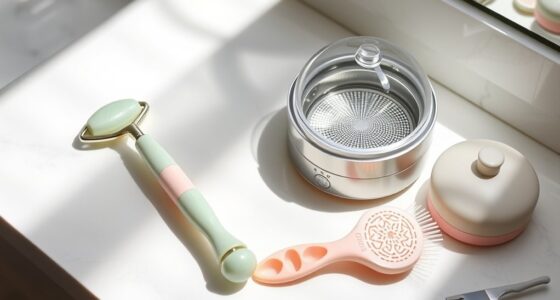

TL;DR

Get beauty and skincare favorites delivered free with Prime
- Fast, free delivery on millions of items
- Prime Video, Amazon Music and more included
- Member-only deals all year
Luxury facial cleansing brushes ($100–$300) use sonic pulsations or silicone pads to remove makeup, sunscreen, and sebum more thoroughly than hands alone. Silicone designs like Foreo Luna are more hygienic and gentler than nylon bristle brushes, which harbor bacteria and need replacement heads every three months. Most dermatologists say cleanser and clean hands are enough for many people — brushes offer the most value to heavy makeup wearers and city dwellers, and the least value to anyone with rosacea, eczema, or sensitive skin.
The brush that invented the entire category is dead. Clarisonic, which pioneered the sonic brush back in 2004, shut down in 2020 — and yet the luxury cleansing brush market is bigger than ever, filled with silicone devices, LED hybrids, and $200 gadgets promising spa-grade skin in your bathroom [1].
So what’s actually going on? Are these devices a real upgrade, or a very expensive way to wash your face? The honest answer is somewhere in between, and it depends heavily on your skin, your habits, and which type of brush you buy.
In this article, you’ll learn how these brushes work, the difference between silicone and bristle designs, what dermatologists actually think, and how to decide whether the splurge makes sense for you.
Silicone sonic brushes (Foreo Luna, PMD Clean) beat nylon bristle heads on hygiene and cost — bristle heads harbor bacteria and cost $75–$100/year to replace.
Use the brush 3–4 times per week for under 60 seconds with a gentle, non-exfoliating cleanser — never combine it with scrubs or acid cleansers.
Skip the brush if you have rosacea, eczema, active acne, or sensitive skin; it can worsen inflammation and damage your skin barrier.
The biggest benefits go to daily sunscreen and heavy makeup wearers, and to city dwellers dealing with pollution buildup.
A luxury brush enhances a good cleanser — it doesn’t replace one. Clean hands plus a proper cleanser remain sufficient for most people, per dermatologists.
How Luxury Cleansing Brushes Actually Work (Sonic vs. Silicone vs. Spin)
Luxury facial cleansing brushes work by adding rapid sonic pulsations — hundreds per second — to your cleanser, loosening makeup, sunscreen, sebum, and pollution particles that your fingers alone can miss. Think of it like a power washer versus a sponge: same soap, very different energy. The brush doesn’t clean deeper into your pores (nothing does that), it just removes surface debris more efficiently [1].
There are three main technologies, and they’re not equal:
- Sonic bristle brushes: Nylon bristles vibrating at high frequency. The Clarisonic legacy design. Effective but the bristles trap bacteria.
- Silicone pads: Devices like the Foreo Luna and PMD Clean use pulsations instead of rotating bristles. Silicone is non-porous, so it resists bacterial growth and needs no replacement heads.
- Rotary spin brushes: The cheap drugstore version, usually $25–$60. Rougher, older tech, and generally worth skipping.
Picture the difference: a nylon bristle head is like a kitchen sponge — great at cleaning, but it gets grimy fast. A silicone pad is like a silicone spatula — nothing sticks, nothing grows, you rinse and move on.
Silicone vs. Bristle vs. Multifunction: Which One Deserves Your Money
Silicone brushes are the best choice for most people in 2024 because they’re more hygienic, gentler on the skin barrier, and carry no ongoing head-replacement costs — a bristle brush user spends roughly $75–$100 per year on replacement heads alone. Multifunction devices make sense only if you’ll actually use the extra features.
| Type | Typical price | Best for | Main drawback |
|---|---|---|---|
| Silicone sonic (Foreo Luna, PMD Clean) | $100–$300 | Most skin types, hygiene-focused users | Less intensive exfoliation |
| Nylon bristle sonic | $100–$250 + heads | Oily, resilient skin | Bacteria retention; heads every 3 months |
| Multifunction (Solawave, NuFace-adjacent) | $150–$400 | Gadget lovers, anti-aging routines | Price; features need consistency |
| Rotary spin brush | $25–$60 | Budget buyers | Harsh; obsolete technology |
One real-world example: a friend of mine used a Clarisonic for years and loved it — until she tallied up four replacement heads a year and switched to a Foreo Luna 3. Same clean feeling, zero ongoing costs, and her sensitive cheeks stopped flaking.
What These Brushes Can Realistically Do for Your Skin
Used correctly, a luxury cleansing brush delivers three real benefits: more complete makeup and sunscreen removal, gentle manual exfoliation, and better absorption of serums applied afterward. Users often report smoother texture and a brighter look within a few weeks — not because the brush works magic, but because leftover sunscreen and dead skin cells were quietly dulling their complexion.
Example 1 — The full-coverage foundation wearer. Picture someone who wears foundation, concealer, and SPF 50 every day. At night, she cleanses with her hands for 30 seconds and thinks she’s done — but a cotton pad with micellar water afterward still comes away orange along the hairline and jaw. That leftover residue is what traps sebum and dulls skin. A silicone sonic brush with a low-foaming cleanser lifts that layer off in about 60 seconds, like a vibrating mop breaking up dried spills that a rag just smears around.
Example 2 — The city commuter. Someone who bikes or walks to work through traffic accumulates fine pollution particles that cling to the sebum film on their skin — think of how a white car in the city turns grey after a week. Fingers push some of that around; the brush’s pulsations mechanically dislodge it. That’s the difference in a nutshell.
Example 3 — The serum skeptic. A common report from long-term users: their $60 vitamin C serum finally seemed to “work” after they started brushing. The serum didn’t change — their skin did. Dead-cell buildup was acting like a layer of frosted glass; once the surface was smoother, the product could actually reach it. It’s like waxing a car before applying polish instead of waxing over dirt.
What a brush won’t do: shrink pores, cure acne, or deep-clean inside them. Pore size is genetic — a brush affecting pore size would be like a toothbrush changing the spacing of your teeth. Anyone promising otherwise is selling something [1].
The Honest Truth: Why Dermatologists Push Back
Many dermatologists are skeptical of cleansing brushes because research consistently shows that a good cleanser and clean hands are sufficient for most people — the brush is an enhancement, not a necessity [1]. The $200 device doesn’t out-cleanse a $12 cleanser applied properly with your fingertips for the average person.
Worse, overuse causes real damage. Aggressive or too-frequent brushing creates micro-tears and a compromised skin barrier — tightness, redness, flaking, and paradoxically, more breakouts as your barrier breaks down.
If you have rosacea, ecema, active acne, or very sensitive skin, skip the brush entirely or talk to a dermatologist first. These devices can make inflammatory skin conditions worse, not better.
Remember the kitchen sponge analogy? It cuts both ways. That textured bristle head scrubs effectively — and scrubs your skin barrier right off if you use it nightly with a physical scrub or exfoliating acid cleanser. Never combine a brush with grainy exfoliants or AHA/BHA cleansers. Pick one exfoliation method, not three.
How to Use a Luxury Cleansing Brush Without Wrecking Your Skin
To use a luxury cleansing brush safely, keep sessions under a minute, use it three to four times per week (not twice daily), and always pair it with a gentle, non-exfoliating cleanser. Less is genuinely more here — the device adds energy to your routine, so scale back your manual pressure to almost nothing. Let the pulsations do the work.
- Remove makeup first with a cleansing oil or micellar water — don’t make the brush do the heavy lifting on waterproof mascara.
- Apply a gentle cleanser to damp skin. No scrubs, no acids.
- Glide the brush in light circles for 30–60 seconds, focusing on the T-zone, hairline, and jaw. Zero pressure — just contact.
- Rinse and pat dry, then apply your serum while skin is still slightly damp for better absorption.
- Rinse the device fully and let it air-dry. Never store it damp in a closed case.
If you’re using retinoids or prescription treatments, run the plan past your dermatologist — combining a brush with active acne medication can tip you from glow to irritated fast.
Is a $200 Brush Actually Better Than a $30 One?
A luxury brush is better than a cheap one mainly in hygiene, motor quality, and battery life — not dramatically better cleansing. Think of it like comparing a Vitamix to a $30 store-brand blender: both technically blend, but one sputters, strains, and dies in a year while the other runs smoothly for a decade. A $30 spin brush physically rotates, which drags and tugs skin — like scrubbing a delicate blouse with a stiff-bristle floor brush instead of a soft cloth. A $150–$200 sonic silicone device pulses in place, holds a charge for months, is fully waterproof for shower use, and never needs a replacement head.
Example 1 — The shower user. Someone who buys a $30 spin brush and takes it into the shower quickly discovers it’s only splash-resistant; within weeks, the motor sputters and the battery door corrodes. A premium silicone device with full IPX7 waterproofing sits in the shower caddy indefinitely, charges by USB once every few months, and never misses a beat.
Example 2 — The long-haul cost calculator. A budget brush at $30 plus a new head every month at $10 runs about $150 over a year — nearly the price of a Foreo Luna — except the cheap one tugs skin, needs batteries, and dies around month fourteen. The luxury device comes with a 2-year warranty (10 years on some Foreo motors); the budget brand offers 90 days, if anything at all.
Example 3 — The convenience convert. A common pattern: someone who never cleanses properly at night because it feels like a chore starts using a brush and actually enjoys the 60-second ritual. For them, the $200 didn’t buy better cleansing — it bought consistency, which is the real engine of results. That’s like paying for a gym you like walking into: the equipment matters less than the fact that you show up.
Where the extra money goes:
- Waterproofing: Look for full IPX7 rating if you want to use it in the shower.
- Battery: Premium devices charge via USB and last 100+ uses; cheap ones eat AA batteries.
- Warranty: Foreo offers up to a 2-year warranty (10 on some motors); budget brands offer 90 days if anything.
- Sustainability: One long-lived device replaces years of disposable wipes and cotton pads.
The tradeoff is real, though: if you have resilient, non-sensitive skin and wash your face well with your hands already, the honest answer is that a $200 brush is a luxury, not a need. It’s a want — and if it makes you enjoy cleansing enough to actually remove your sunscreen every night, that alone might justify it.
Frequently Asked Questions
Can I use my cleansing brush with any cleanser?
No — avoid cleansers containing physical scrubs (grainy particles) or exfoliating acids like glycolic or salicylic acid. The brush already provides mechanical exfoliation, and doubling up risks micro-tears and barrier damage. A gentle, low-foaming cream or gel cleanser is the safest pairing.
Do dermatologists recommend cleansing brushes?
Most dermatologists consider them optional rather than essential — research shows cleanser plus clean hands is sufficient for most people. That said, many acknowledge they can help heavy makeup and sunscreen wearers remove residue more thoroughly. If you have rosacea, eczema, or active acne, get professional guidance before using one [1].
How often should I replace a brush head?
Nylon bristle heads should be replaced roughly every three months, which adds $75–$100 per year in ongoing costs. Silicone devices like the Foreo Luna need no replacement heads — you simply rinse the non-porous surface after each use and let it air-dry.
Will a cleansing brush help with blackheads or large pores?
It can reduce the appearance of blackheads by removing sebum and dead cells from the surface, but it cannot shrink pores or clean inside them — pore size is largely genetic. For persistent blackheads, a salicylic acid product or professional extraction works better than any brush.
Is Foreo or Clarisonic better?
Clarisonic shut down in 2020 and later relaunched under new ownership, but the premium market has largely moved to silicone. Foreo’s Luna line uses hygienic silicone pulsations with no replacement heads, making it the more practical choice for most people today, while Clarisonic’s nylon bristle heads suit oily, resilient skin types who don’t mind the upkeep [1].
Conclusion
Here’s the crisp verdict: a luxury cleansing brush is worth it if you wear sunscreen and makeup daily, choose a silicone sonic design, and use it a few times a week with a light hand. It’s not worth it if you’re hoping it will fix acne, shrink pores, or replace a decent cleanser — because it won’t do any of those things.
The category’s pioneer went out of business in 2020, and its successors thrive by promising transformation. Transformation isn’t what a brush delivers. What it delivers is sixty seconds of honest, satisfying cleanliness — that squeaky-clean feeling where your serum sinks in and your skin looks like it just came back from vacation. If that’s worth $200 to you, buy it. If not, your hands were never the problem.
Halloween Picks
halloween
As an affiliate, we earn on qualifying purchases.