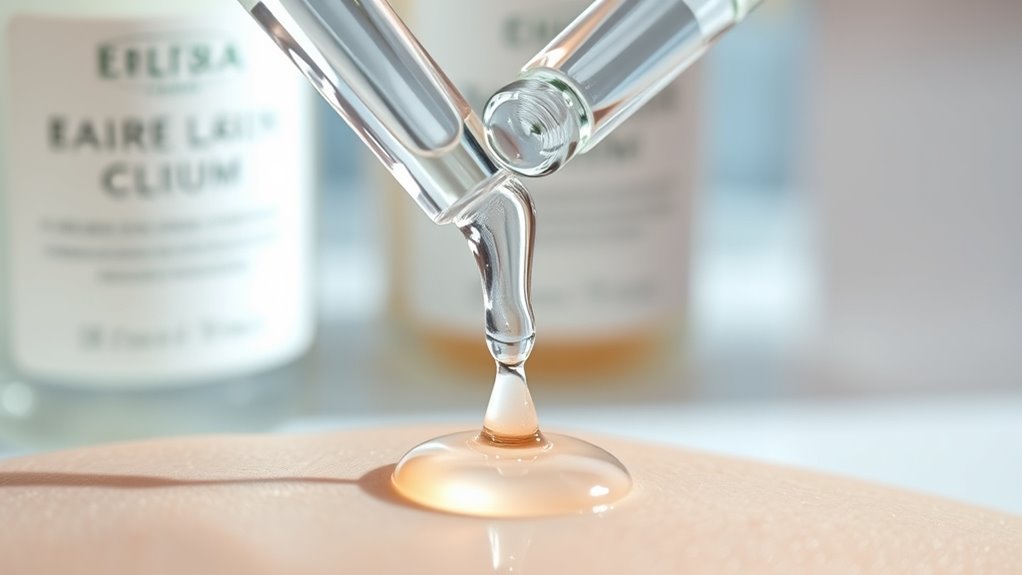

When combining serums, always layer from thinnest to thickest to guarantee proper absorption. Apply water-based formulas like vitamin C first, then follow with thicker oils or creams. Be cautious of ingredient interactions—like avoiding acids immediately before retinol and checking for compatibility—storing products correctly also helps keep ingredients stable. By understanding these principles, you can optimize your routine and prevent irritation. To discover more tips on safe serum layering, keep exploring the essentials.

Get beauty and skincare favorites delivered free — and shop member deals
- Fast, free delivery on millions of items
- Access to Prime Big Deal Days deals on October 6–7
- Prime Video, Amazon Music and more included
Key Takeaways
- Apply water-based serums like vitamin C and hyaluronic acid before oil-based or thicker formulations for better absorption.
- Layer from thinnest to thickest textures, starting with lightweight, water-based serums, then creams or oils.
- Avoid combining incompatible actives, such as retinol with acids, or use them at different times to prevent irritation.
- Store serums properly in cool, dark places to maintain ingredient stability and effectiveness.
- Research ingredient interactions and stability to ensure safe, effective layering without adverse reactions.
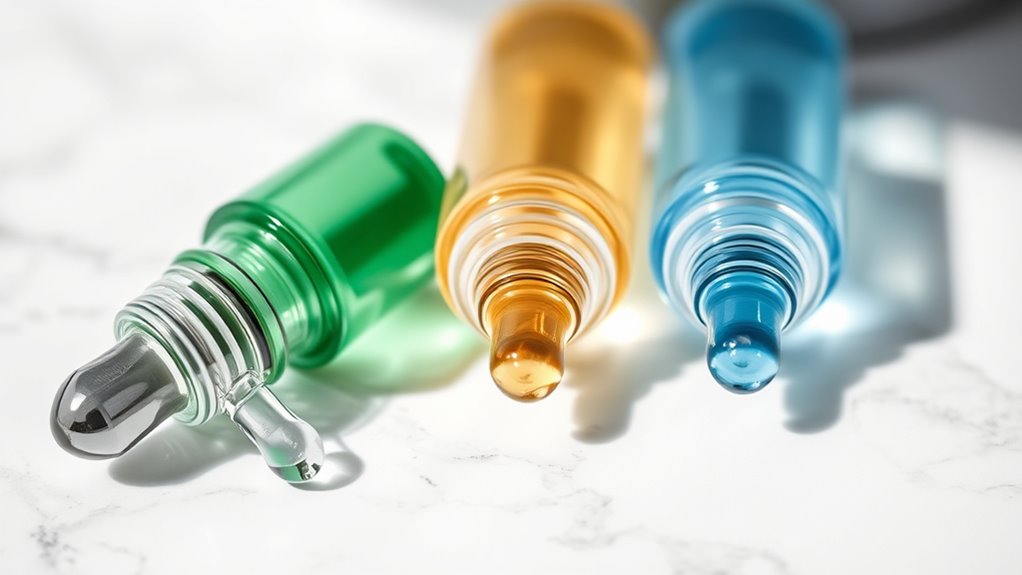
Have you ever wondered how to maximize the benefits of your skincare routine? One of the most effective ways is through serum layering, but it requires understanding the importance of ingredient compatibility and application order. When you layer serums correctly, you ensure that each active ingredient works harmoniously without causing irritation or diminishing efficacy. The first step is to pay attention to ingredient compatibility. Some ingredients can interact negatively when combined, leading to reduced effectiveness or skin irritation. For example, vitamin C and niacinamide were once thought incompatible, but recent studies show they can coexist if formulated properly. Still, it’s wise to be cautious and research each active ingredient’s stability and potential interactions. This knowledge helps you decide which serums to layer and which to keep separate. Additionally, incorporating proper storage techniques can help maintain the stability and effectiveness of your active ingredients over time. Next, consider application order. The general rule is to apply products from thinnest to thickest consistency, allowing each layer to absorb fully before adding the next. Usually, water-based serums should go on first because they penetrate quickly and prepare your skin for subsequent layers. Follow with slightly thicker, water-in-oil formulations, then heavier creams or oils. When layering serums, you want to maximize absorption and avoid diluting potent ingredients. For instance, applying a water-based hyaluronic acid serum before a vitamin C serum ensures the hydration boosts your skin’s barrier, making the antioxidant more effective. Conversely, if you’re using a retinol or exfoliating acid, it’s best to apply these after lighter serums to avoid dilution and to give them proper contact time with your skin. It’s also essential to know that some active ingredients should not be used together or should be used at different times of the day. For example, retinol is best used at night, and vitamin C in the morning. Avoid layering acids like salicylic acid or glycolic acid immediately before applying retinol, as this can cause irritation. Instead, alternate their use on different days or at different times. When you pay close attention to application order, you enhance the stability of your actives and reduce the risk of adverse reactions.
Frequently Asked Questions
Can I Mix Multiple Active Ingredients in One Serum?
You shouldn’t mix multiple active ingredients in one serum because ingredient compatibility varies, and combining them can cause irritation or reduce effectiveness. Instead, apply serums separately, ensuring each maintains its ideal serum pH balance. Check ingredient guidelines and wait a few minutes between applications to allow your skin to absorb each product properly. This approach helps you safely benefit from active ingredients without risking adverse reactions or diminishing their potency.
How Long Should I Wait Between Applying Different Serums?
You should wait about 30 seconds to a minute between applying different serums. Studies show that proper application timing can improve ingredient absorption by up to 60%, ensuring your skin benefits fully from each product. This pause helps each serum penetrate effectively without interference. So, give each layer a brief moment to settle before adding the next, and you’ll maximize your skincare routine’s benefits and reduce potential irritation.
Are There Ingredients That Should Never Be Layered Together?
Yes, you should avoid layering ingredients with known conflicts, like vitamin C and niacinamide, as they can neutralize each other’s benefits. Also, be cautious with acids and retinoids, which can cause irritation if combined improperly. Always prioritize formulation safety and check for ingredient conflicts before combining products. If unsure, test on a small skin area or consult a dermatologist to prevent adverse reactions and maintain effective results.
How Do I Know if My Skin Reacts Badly to Layered Serums?
To know if your skin reacts badly to layered serums, pay attention to signs of skin sensitivity like redness, itchiness, or irritation. Always do a patch test before trying new combinations, applying a small amount on your inner wrist or behind your ear. If you notice any adverse reactions within 24-48 hours, stop using the products and consult a dermatologist to prevent further irritation.
Can Serum Layering Replace My Regular Skincare Routine?
Sure, serum layering can be your one-way ticket to skincare simplification, but don’t ditch your entire routine just yet. While it offers routine consolidation, it might not provide all the benefits of an all-encompassing skincare regimen. Think of it as a shortcut—great for minimalists, but sometimes your skin needs more than just serums. Keep your basics, add layering wisely, and remember: less isn’t always more.
Conclusion
Don’t let the fear of mixing ingredients hold you back. With the right knowledge, serum layering is safe and effective, giving your skin a powerful boost. Just remember to introduce new actives gradually and patch test first. Some worry about irritation, but if you follow proper order and wait between applications, you’ll avoid setbacks. Keep experimenting and adjusting your routine — your skin will thank you for it. Confidence in layering leads to healthier, glowing skin.
Fall Picks
fall essentials
As an affiliate, we earn on qualifying purchases.