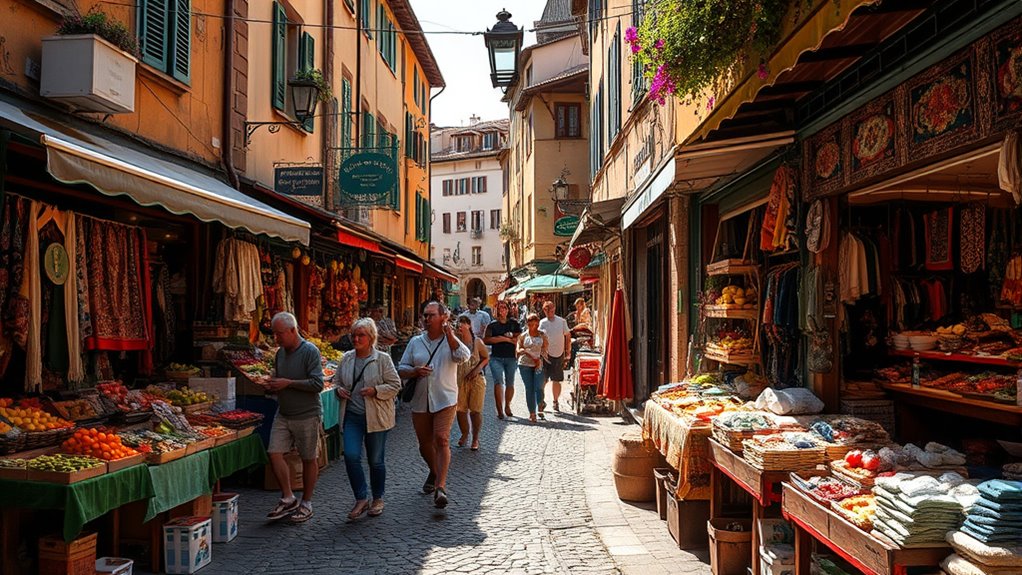

Traveling for cultural immersion through slow tourism means prioritizing meaningful experiences over quick visits. You’ll connect deeply with local traditions, participate in community events, and explore hidden gems that most tourists miss. This relaxed pace allows you to truly understand and appreciate local customs, fostering genuine relationships with residents. As you embrace this approach, you’ll transform your trip into a rich journey of cultural discovery—keep exploring to uncover how to make the most of it.
Key Takeaways
- Slow tourism emphasizes quality and authentic experiences over rapid sightseeing, fostering deeper cultural connections.
- It encourages participation in local traditions, festivals, and community activities for genuine cultural immersion.
- A slower travel pace allows exploration of hidden cultural sites and lesser-known local practices.
- Travelers gain a deeper understanding of customs and daily life through direct engagement and immersive activities.
- This trend promotes respectful, meaningful interactions, transforming trips into enriching journeys of cultural discovery.

Traveling offers an incredible opportunity to immerse yourself in new cultures and gain a deeper understanding of the world. When you choose slow tourism, you prioritize quality over quantity, allowing you to truly connect with the places you visit. This approach encourages you to spend more time in one location, which means you can go beyond the typical tourist attractions and explore the heart of local traditions. Instead of rushing through landmarks, you’ll find yourself participating in community events, sampling authentic cuisines, and engaging with residents on a more meaningful level. These authentic experiences help you see a destination through the eyes of those who live there, enriching your understanding of their customs, values, and daily routines.
Embrace slow tourism to connect deeply with local culture and traditions beyond typical sightseeing.
By slowing down your travel pace, you give yourself the chance to discover hidden gems that often go unnoticed on hurried trips. You might stumble upon a small village festival celebrating centuries-old traditions or join a local craft workshop where artisans share their skills. Such moments allow you to witness and participate in local traditions firsthand, creating memories that go far beyond superficial sightseeing. These experiences are authentic because they are rooted in the community’s everyday life, not simply staged for tourists. They enable you to appreciate the cultural tapestry of a place, fostering respect and genuine curiosity about the people and their way of life.
Engaging deeply with local traditions also means being open to new perspectives. Instead of simply observing, you can learn traditional cooking methods, join in folk dances, or attend cultural ceremonies. These immersive activities facilitate meaningful interactions, helping you build connections that are often impossible during quick visits. As you spend more time in one location, you’ll find it easier to develop relationships with locals, who often appreciate genuine interest in their customs and stories. This exchange of culture becomes a two-way street, enriching your travel experience and fostering a sense of mutual respect.
Slow tourism isn’t just about leisure; it’s about embracing a mindset that values authenticity over superficiality. When you prioritize authentic experiences, you gain a more profound appreciation of the diversity and richness of human cultures. This approach allows you to leave a destination with a deeper understanding and a genuine respect for its traditions. Ultimately, traveling in this way transforms your trips from mere sightseeing excursions into meaningful journeys of cultural discovery. Incorporating cultural immersion into your travels can deepen your connections and create more memorable experiences.
Frequently Asked Questions
How Can Travelers Ensure Respectful Cultural Interactions?
You can guarantee respectful cultural interactions by practicing cultural sensitivity and engaging in respectful communication. Learn about local customs and traditions beforehand, and always ask permission before taking photos or participating in activities. Show genuine interest and listen actively to locals’ perspectives. Being open-minded, humble, and mindful of your actions demonstrates respect, helping you build meaningful connections and avoid misunderstandings while enriching your cultural experience.
What Are Common Misconceptions About Slow Tourism?
Think of slow tourism as a gentle river, flowing steadily, not a rushing stream. Many believe it’s just about taking your time, but some think it’s a way to bypass genuine cultural exchanges. The truth is, slow tourism challenges cultural stereotypes and emphasizes respectful tourist etiquette. It’s not about avoiding tourism but immersing yourself thoughtfully, breaking down stereotypes, and forging authentic connections, not just ticking off tourist attractions.
How Does Local Community Benefit From Slow Tourism?
When you engage in slow tourism, you directly benefit the local community through active community engagement and support for cultural preservation. Your respectful interactions help sustain local traditions and foster genuine connections. By choosing to stay longer and explore authentically, you contribute to the community’s economy and help preserve unique cultural practices, ensuring they thrive for future generations. Your mindful travel creates positive impacts that benefit both you and the community.
What Safety Tips Are Recommended for Cultural Immersion Trips?
When you go on a cultural immersion trip, prioritize travel safety by researching local customs and health advisories. Practice cultural respect by learning basic phrases and understanding traditions to avoid misunderstandings. Always stay aware of your surroundings, keep your belongings secure, and follow local laws. Respect community spaces and ask for permission before taking photos. These steps guarantee a respectful, safe, and enriching experience as you immerse yourself in new cultures.
How Can Travelers Support Sustainable Local Businesses?
You can support sustainable local businesses by choosing to buy from local artisans and staying in eco-friendly accommodations. When you purchase handmade crafts, you help preserve traditional skills and boost the local economy. Opt for eco-friendly lodgings that prioritize sustainability and reduce environmental impact. By making these conscious choices, you contribute directly to the community’s well-being and encourage responsible tourism practices, ensuring your travel has a positive, lasting impact.
Conclusion
As you embrace slow tourism, you truly connect with local cultures and traditions, making your journey meaningful. This approach encourages deeper understanding and respect, fostering genuine relationships. Think of it like planting a seed—you invest time and care, and in return, you nurture authentic experiences. Slow tourism isn’t just a trend; it’s a way to see the world through a richer, more vibrant lens, proving that meaningful travel grows from patience and genuine curiosity.