
TL;DR

Get beauty and skincare favorites delivered free with Prime
- Fast, free delivery on millions of items
- Prime Video, Amazon Music and more included
- Member-only deals all year
During Milan Beauty Week 2026, Dermaself and OVS tested selfie-based AI skin analysis in a five-day, multi-brand retail activation. The event recorded more than 2,600 completed analyses, but the figures show participation, not whether recommendations led to purchases or improved product choices.
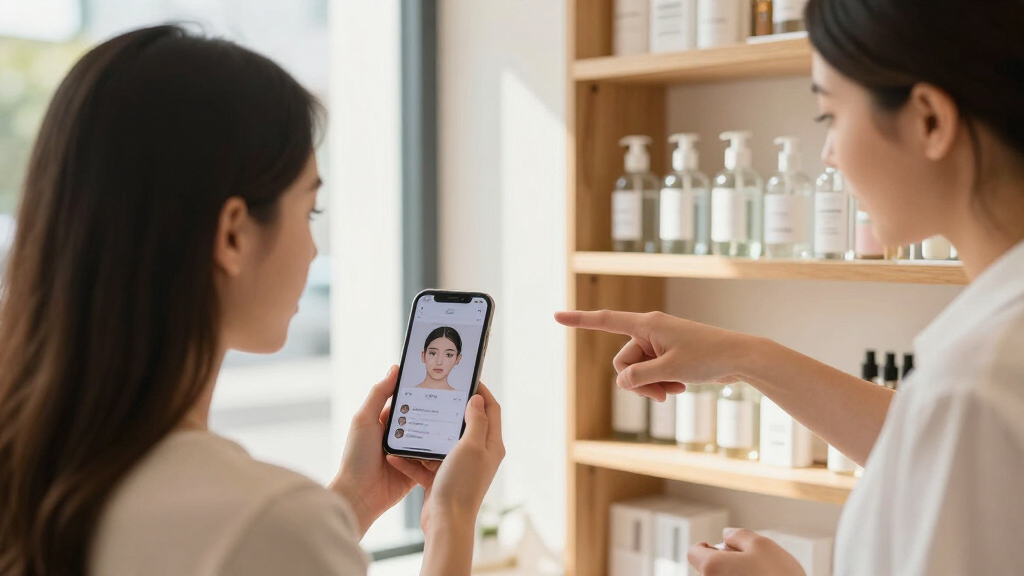
Dermaself and OVS used selfie-based AI skin analysis to guide shoppers toward skincare products during a five-day activation at Garden Senato in Milan, held during Milan Beauty Week 2026. The experience involved 37 beauty brands and recorded more than 2,600 completed analyses, offering a real-world test of how retailers might connect skin assessments with product discovery across a multi-brand catalogue.
Visitors could take a selfie for an analysis of visible skin characteristics, including blemishes, dark spots, wrinkles, pores, redness, hydration and skin laxity. Dermaself says its platform then connects analysis results with product ingredient information, including INCI data, to identify relevant formulations in the retailer’s catalogue. The intended journey is from an image to an assessment, then ingredient matching and a suggested routine.
The activation included 37 beauty brands. Visitors could receive their recommended routine by email, along with a 20% discount on suggested products, redeemable at selected OVS stores in Milan. According to the report, the five-day event recorded more than 2,600 completed analyses, a 75% completion rate and an average of one completed analysis every 55 seconds.
Those figures describe activity during a specific retail event. They do not establish how many visitors bought recommended products, whether the recommendations were more useful than other forms of advice, or how accurately the system assessed skin. The reported completion rate is not accompanied by a detailed definition of how it was calculated.
From Skin Data to Product Discovery
The retail proposition is to make a large assortment easier to navigate by starting with a shopper’s visible skin characteristics rather than with a brand or product category. In a multi-brand store, matching needs to ingredient information across brands could give customers a route through products that might otherwise be difficult to compare.
For retailers, the approach could extend beyond temporary events. The source report describes possible uses in e-commerce and physical stores, including QR codes, tablets and smart mirrors. Analysis results might also be used to support a conversation with a beauty adviser. These are proposed applications, not evidence that the technology has already produced better sales or customer outcomes at scale.
The distinction matters to shoppers: a personalised routine can feel more specific, but an AI assessment is not the same as a clinical skin evaluation. Retailers and technology providers need to explain what an image-based tool can and cannot infer, and how customer images and results are handled.
Products Worth Considering

Oura Ring 4 Smart Ring – Silver – Size 8

Therabody Theragun Mini 3rd Generation Massage Gun, Black

Philips Sonicare DiamondClean 9900 Prestige Electric Toothbrush
As an affiliate, we earn on qualifying purchases.
How the Milan Trial Worked
Beauty retailers face increasingly broad and specialised skincare ranges. More options can make product selection harder, particularly when shoppers are comparing formulations from different brands. The Dermaself model described in the source material combines computer vision with product ingredient data to suggest items from a retailer’s existing catalogue.
The Milan activation put that model into a live setting through the Shaka Beauty Hotel × OVS experience at Garden Senato. Unlike a demonstration limited to a single brand’s products, the event presented recommendations in a setting featuring multiple brands. The emailed routine and store-redeemable discount linked the digital interaction to a potential in-store purchase, though the source does not report redemption or sales results.
Sales, Accuracy and Data Questions
The available report does not provide sales, discount-redemption or repeat-use figures from the activation. It also does not explain how the 75% completion rate was defined, how many visitors started an analysis, or whether the reported pace reflects all operating hours.
Details about the AI system’s validation, performance across different skin tones and image conditions, and the limits of its assessments are not included. The material also does not specify how long selfies or analysis results are retained, who can access them, or what consent and deletion options were offered. These points are relevant to any wider retail rollout, but cannot be resolved from the event figures provided.
Whether Retailers Expand the Trial
The reported activation provides an engagement snapshot, not a confirmed expansion plan. The next useful indicators would be whether OVS or Dermaself deploy the tool in stores or online beyond the event, and whether they publish results on product purchases, discount use and customer feedback.
Retailers considering similar systems will also need to make clear how recommendations are generated, what the image analysis can assess, and how customer data is managed. Until further results are published, the Milan figures show that thousands of analyses were completed during one activation, but not whether the approach changes shopping outcomes.
Key Questions
What happened at the Milan Beauty Week activation?
Dermaself and OVS offered visitors a selfie-based analysis and personalised skincare recommendations at a five-day, multi-brand event at Garden Senato. The activation featured 37 beauty brands and recorded more than 2,600 completed analyses, according to the report.
What did the AI skin analysis assess?
The platform analysed visible characteristics including blemishes, dark spots, wrinkles, pores, redness, hydration and skin laxity. The source describes an image-based retail tool, not a clinical diagnosis.
How were products matched to analysis results?
Dermaself says it connects analysis results with product INCI and ingredient information to identify relevant formulations in the retailer’s catalogue. The source does not provide independent testing of the recommendations.
Did the event show that AI recommendations increased sales?
No sales or discount-redemption results were included in the report. The available figures cover completed analyses, completion rate and average pace, so they show participation rather than purchasing outcomes.
Can retailers use this technology outside events?
The report describes potential uses in online shopping and physical stores, such as QR codes, tablets and smart mirrors, as well as support for consultations with beauty advisers. It does not confirm a broader rollout from the Milan activation.
Source: rss